
Toxic Plants for Pets: Identifying Hidden Household Dangers

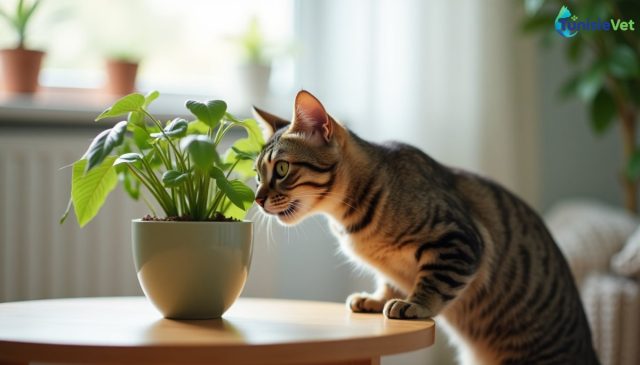
Toxic plants for pets: how many households fail to realize that a simple bouquet can poison their dog, cat, or rabbit? Countless indoor and garden plants, despite being extremely common, contain substances that are dangerous to pet animals. This guide identifies at-risk species, describes signs of poisoning, and explains how to respond effectively.
1. Why Plants Represent an Underestimated Risk
Domestic animals explore their environment with their mouths: chewing a leaf, scratching a root, or swallowing fallen petals is part of their natural curiosity. Cats and dogs, but also rabbits, guinea pigs, birds, and ferrets, can accidentally ingest toxic plants present in the living room, on the balcony, or in the garden.
The danger is often invisible: a plant that appears harmless, given as a gift or purchased to decorate a room, may contain irritating compounds or substances toxic to the animal's liver, kidneys, or heart. Sensitivity varies depending on the animal species, its size, and the quantity ingested.
2. Common Indoor Plants to Watch For
Certain ornamental plants very common in homes and apartments are known for their toxicity to cats and dogs:
- Lilies (and other species of the genus Lilium): extremely dangerous for cats, even in small quantities, with serious risk to the kidneys.
- Dieffenbachia: its sap causes intense irritation of the mouth and throat when chewed.
- Philodendron and Pothos: contain irritating crystals responsible for mouth burns and vomiting.
- Ficus: its milky sap can irritate the skin and digestive mucosa.
- Cyclamen: its root is the most toxic part, often accessible in pots placed on the ground.
- Aloe vera: well known for its uses, it remains toxic to animals if ingested in quantity.
These plants are frequently given in pots or as bouquets, which increases the risk of accidental exposure, particularly in curious kittens and puppies.
3. Garden and Outdoor Plants at Risk
The garden, terrace, or green spaces accessible to animals are also home to species that require close monitoring:
- Oleander: very common in Mediterranean hedges and gardens, it is highly toxic to the heart, even in small doses.
- Castor bean: its seeds contain an extremely toxic substance, dangerous if ingested.
- Lily of the valley: all its parts are toxic to the cardiovascular system of animals.
- Spring bulbs (tulip, hyacinth, daffodil): the bulb is the part most concentrated in irritating substances.
- Boxwood: its evergreen leaves can cause severe digestive disorders.
- Certain wild mushrooms that grow spontaneously in grass after rain, unpredictable and sometimes fatal.
Animals that have access to a garden or are walked on a leash near green spaces may ingest these plants without their owner noticing immediately.
4. Recognizing Signs of Poisoning
Symptoms vary depending on the plant ingested, the quantity, and the animal species involved. Certain signs should always alert you:
- Repeated vomiting or excessive salivation
- Diarrhea, sometimes with blood
- Unusual lethargy or reluctance to move
- Sudden loss of appetite
- Tremors, convulsions, or balance disorders
- Difficulty breathing or abnormal heart rate
- Visible irritation of the mouth, swelling of the lips or tongue
In small animals such as rabbits or guinea pigs, even a small amount of toxic plant can cause rapid symptoms due to their small size.
Comparison Table: Plants, Symptoms, and Urgency Level
| Plant | Main Symptoms | Urgency Level |
|---|---|---|
| Lily | Vomiting, kidney failure | Very high, immediate emergency |
| Oleander | Heart disorders, weakness | Very high, immediate emergency |
| Dieffenbachia | Mouth burn, salivation | Moderate, quick consultation |
| Cyclamen (root) | Vomiting, diarrhea | Moderate to high |
| Bulbs (tulip, hyacinth) | Digestive irritation, lethargy | Moderate |
| Aloe vera | Diarrhea, vomiting | Low to moderate |
5. What to Do If Poisoning is Suspected
Quick action by the owner can limit the severity of poisoning. Here are the recommended steps:
- Remove the animal from the risk area and remove any remaining plant material to prevent further ingestion.
- Identify the plant by keeping a sample or taking a photo, which is useful for the veterinarian.
- Carefully observe the animal and note the time of the suspected ingestion.
- Never induce vomiting without veterinary advice, as some substances are more dangerous coming back up.
- Contact a veterinarian without delay, even in the absence of immediate symptoms.
When in doubt, it is better to consult quickly with veterinarians capable of assessing the severity and prescribing appropriate treatment. For cat owners, it is possible to find veterinarians for cats near your home, and for dog owners, veterinarians for dogs specializing in emergencies.
6. Permanently Prevent Risks at Home and in the Garden
Prevention remains the best protection against plant poisoning. A few simple habits allow you to safely secure your animal's environment:
- Place toxic plants in high locations, out of reach of climbing cats and curious dogs.
- Choose non-toxic species for interior decoration when animals live in the household.
- Fence off or limit garden access to areas planted with oleander or other at-risk species.
- Quickly pick up fallen leaves, flowers, or fruit from the ground.
- Closely supervise rabbits and rodents, often in supervised freedom near indoor plants.
- Check the toxicity of a plant before offering it or installing it in your home.
Owners of rabbits must exercise extra caution, as these animals are naturally attracted to nibbling fresh vegetation.
In Summary
- Many common plants such as lilies, oleanders, and dieffenbachia are toxic to pets.
- Symptoms of poisoning range from mild irritation to serious heart disorders.
- Any suspected ingestion should lead to prompt contact with a veterinarian, without waiting for symptoms to worsen.
- Placing at-risk plants out of reach remains the best prevention method.
- Special vigilance is required for cats, dogs, and small mammals such as rabbits.
Frequently Asked Questions
Which plants are most dangerous for cats?
Lilies are among the most toxic plants for cats, capable of causing serious kidney failure even in small quantities. Dieffenbachia and philodendron also cause severe mouth irritation.
How do I know if my pet has eaten a toxic plant?
The most common signs are vomiting, excessive salivation, lethargy, and sudden loss of appetite. When in doubt, it is better to consult a veterinarian rather than wait for more serious symptoms to appear.
Should I make my pet vomit after ingesting a toxic plant?
No, never induce vomiting without professional advice, as some substances are more irritating coming back up. The best course of action is to contact a veterinarian immediately to learn how to proceed.
Protecting your pet from toxic plants is primarily a matter of knowledge and daily vigilance. If you are unsure about a possible ingestion, consulting a veterinarian quickly remains the safest action to preserve your companion's health.
Leave a comment
Be the first to comment on this article.

TunisieVet in your pocket 📱🐾 Access your veterinary services wherever you are. [ Download the app ]
Learn more