Cat Breeds for Hot Climate Tunisia: Choose & Care Tips

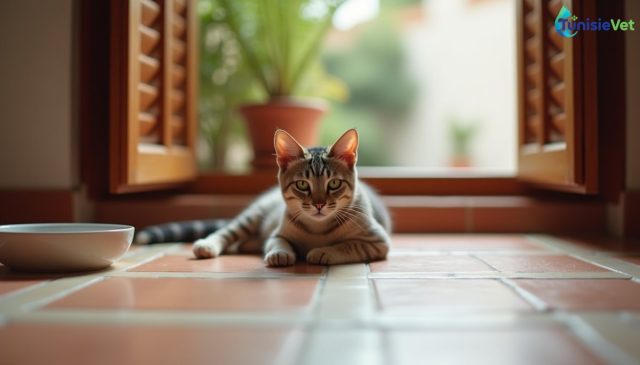
Which cat breeds handle high temperatures best in Tunisia? The answer relies less on a specific breed list than on observable physical traits: short coat, lean build, light-colored fur, and an open muzzle. This guide explains how to spot these characteristics in a cat, prevent heat stress, and adapt daily feeding, living space, and care routines for Mediterranean climates.
1. Why Some Cats Tolerate Heat Better Than Others
Cats regulate body temperature primarily through subtle panting, blood vessel dilation in the ears and paw pads, and grooming—where saliva spreads across the coat for a cooling effect. A short, fine coat makes it easier for the body to shed excess heat, while long, thick fur acts as insulation that traps warmth. A lean, elongated body also offers more skin surface relative to body volume, which promotes heat loss.
Conversely, a cat with a very flat muzzle breathes less efficiently, limiting its ability to release heat through the respiratory system. Dark-colored fur absorbs more direct solar radiation than light-colored fur. These physical characteristics, rather than the breed name itself, truly determine how well a cat tolerates a hot climate like Tunisia's.
2. What to Look for Before Choosing or Adopting a Cat
Physical traits to prioritize
- Short or thin medium-length coat rather than long, thick fur.
- Lean, slender build rather than a bulky, compact frame.
- Open muzzle and clear airways, without pronounced facial flattening.
- Good mobility and healthy weight, since excess weight increases the body's effort to regulate temperature.
Traits to monitor with care
- Kittens and senior cats, which regulate body temperature less efficiently.
- Cats with very short muzzles, which may experience breathing difficulty made worse by heat.
- Overweight cats or those with low activity levels, more prone to heat accumulation.
- Previous history of heart or respiratory issues—these should be evaluated by a professional before prolonged heat exposure.
Before adopting, a professional examination allows for objective assessment of these criteria. Consulting a veterinarian specializing in cats remains the best way to confirm that any cat, regardless of origin, is in good condition to live comfortably in a hot climate.
3. Recognizing Heat Stress Signs in Cats
Heat stress often develops gradually before becoming an emergency if left unaddressed. Spotting early signs allows you to act before conditions worsen.
| Observed Sign | Level of Concern | Recommended Action |
|---|---|---|
| Cat seeking shade or cool surfaces, reduced activity | Caution | Offer a cool spot and fresh water immediately |
| Panting, rapid breathing, excessive licking | Close monitoring | Cool the animal, limit exertion, watch carefully |
| Excessive drooling, very red gums, weakness | Urgent | Cool gradually and contact a veterinarian right away |
| Vomiting, unsteady gait, loss of consciousness | Life-threatening | Immediate transport to a veterinarian |
When in doubt, it's always better to seek prompt professional advice rather than wait for symptoms to worsen, especially with kittens, senior cats, or those already in fragile condition.
4. Creating a Cool Environment Every Day
- Provide multiple sources of fresh water throughout the house and refresh them several times daily.
- Ensure permanent access to a shaded, well-ventilated area away from direct sunlight.
- Close shutters or curtains during peak heat hours to prevent rooms from heating up.
- Offer a cool surface (tile, cooling mat) where your cat can rest freely.
- Never confine a cat in an unventilated vehicle or closed room, even for just a few minutes.
- Brush medium-long or long-haired cats regularly to lighten their coat without ever shaving them without veterinary advice.
5. Adjusting Diet and Hydration During Hot Weather
Heat naturally reduces a cat's appetite while increasing its water needs. A few simple adjustments help maintain proper balance:
- Favor wet food, which contains more moisture, as a complement to or partial replacement for dry kibble.
- Split meals into smaller portions during cooler times of day—early morning and evening.
- Always provide clean, fresh water available at all times, refreshed frequently.
- Watch for prolonged loss of appetite, which may signal heat-related discomfort or another health issue.
For owners looking to compare different wet food options suited to hot periods, the wet cat food and dry cat food sections offer a variety of formulas.
6. Best Practices for Feline Breeding in Mediterranean Climate
For breeders or owners with multiple cats, organizing living spaces and monitoring each animal individually becomes especially important in hot climates.
- Create multiple shaded, ventilated zones to prevent crowding in a single cool area.
- Schedule handling, playtime, and transport during the coolest hours of the day.
- Monitor each cat individually, as needs vary based on age, weight, and overall health.
- Maintain clean, accessible litter boxes—heat accelerates odor evaporation but also increases discomfort if poorly maintained.
- Plan regular veterinary check-ups to anticipate any signs of vulnerability early.
A well-designed environment reduces heat stress, lowers the risk of complications, and significantly improves feline well-being on a daily basis.
7. Common Mistakes to Avoid
- Shaving a long-haired cat thinking it will cool them down, when the coat also protects against certain sun rays.
- Leaving a cat without access to shade for several hours at a time.
- Neglecting hydration, assuming your cat drinks enough naturally.
- Overlooking unusual panting, which is never normal in cats and always warrants immediate attention.
- Waiting for symptoms to worsen before consulting a professional.
Summary
- Choose a cat with a short coat, lean build, and open muzzle to better tolerate heat.
- Monitor kittens, senior cats, and overweight cats closely during high temperatures.
- Systematically ensure access to shade, cool spots, and fresh water.
- Shift diet toward wet food in smaller, split meals during hot periods.
- Contact a veterinarian quickly at the first sign of significant heat stress.
Frequently Asked Questions
What cat breed tolerates heat the best?
No single breed is perfectly suited on its own—rather, short coat, lean build, and an open muzzle are the traits that support better heat tolerance. A veterinary examination helps objectively assess a cat's physical condition before summer arrives.
How do I know if my cat is suffering from the heat?
A cat that is panting, constantly seeking shade, becoming lethargic, or drooling excessively shows signs of heat stress. These signs must be taken seriously—cool your cat quickly and consult a veterinarian if the condition doesn't improve.
Should I shave my cat in summer to help it cope with heat?
No, shaving is not recommended without veterinary advice, as the coat also serves a protective function against solar radiation. Regular brushing to lighten the coat is a safer, sufficient solution in most cases.
Choosing and caring for a cat in a hot climate comes down to daily observation and gradually adapting your living routines. Whenever you have any doubt about how well your cat tolerates heat, professional veterinary guidance remains your most reliable resource for ensuring long-term well-being.
Need a professional opinion? If in doubt or in an emergency, find a veterinarian near you on TunisieVet.
Leave a comment
Be the first to comment on this article.

Be among the first to use our app. Sign up and get early Google Play access.
Discover