
Best Cat Breeds for Small Apartments: A Guide

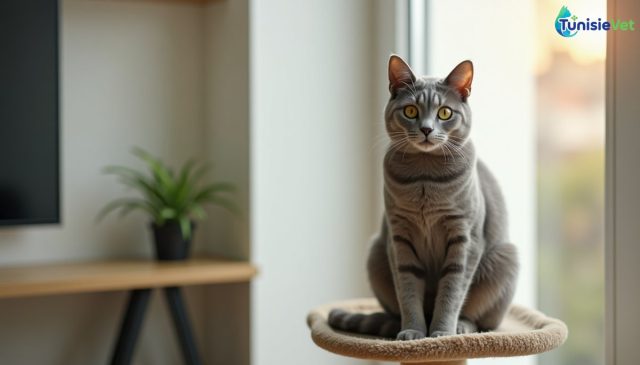
Selecting the right cat breeds for small spaces requires careful thought, especially when you live in an apartment or urban home without a yard. Not all cat breeds thrive equally in confined environments: some need room to run and climb, while others are perfectly content with a sunny couch and a cat tree. Making the right choice from the start prevents frustration for both the animal and owner, and creates the foundation for a harmonious long-term relationship.
Why temperament matters more than apartment size
Contrary to popular belief, a cat's well-being in a confined space depends on its temperament and energy level, not square footage. A highly active, curious, and territorial cat can feel cramped in a large apartment if it lacks mental stimulation. Conversely, a calm and homebody cat can thrive perfectly in a studio apartment, as long as its essential needs are met.
Key factors to evaluate before adoption
- The breed's or kitten's natural level of physical activity
- Social interaction needs with humans or other animals
- Tolerance for solitude, especially if the owner works during the day
- Vocalization tendencies, which can become problematic in multi-unit buildings
- Ability to adapt to a fully indoor environment without outdoor access
Calm cat breeds particularly suited for apartment living
Certain breeds are known for their calm temperament and minimal space requirements, making them naturally excellent choices for a cat apartment-friendly lifestyle.
Quiet and affectionate companions
- The British Shorthair, renowned for its placid and independent nature
- The Ragdoll, appreciated for its gentle disposition and calm attachment to home
- The Persian, not prone to excessive energy, which enjoys indoor comfort
- The Chartreux, discreet, quiet, and easily adaptable to household routines
These breeds typically share moderate physical activity levels and good tolerance for confinement, provided they're given elevated observation points and regular play sessions.
More active breeds: manageable with the right setup
Some energetic breeds, such as the Abyssinian or Bengal, can absolutely live in apartments but require an enriched environment to prevent boredom and unwanted behaviors. For these more spirited cats, experts recommend:
- Installing a tall cat tree with multiple platforms
- Providing various interactive toys and daily play sessions
- Creating shelves or climbing pathways to maximize vertical space in the apartment
- Rotating toys regularly to keep curiosity engaged
Without this enrichment, an energetic urban cat confined to a small space may develop stress, aggression, or behavioral problems stemming from frustration.
Social behavior and wellness in an urban setting
The well-being of a well-adjusted indoor cat also depends on the quality of its relationship with its owner. A cat living exclusively indoors needs more attention, interactive play, and stable routines. Here are some helpful principles:
- Maintain regular feeding schedules and designated play times
- Provide multiple quiet rest areas away from noise
- Ensure a clean, easily accessible litter box placed away from food areas
- Gradually acclimate your cat to everyday household sounds to minimize anxiety
It's also advisable to have your cat regularly examined by a professional, particularly to adjust its diet for a sedentary lifestyle and prevent weight issues. A cat specialist veterinarian can assess your cat's physical condition and provide personalized advice based on breed and age.
Choosing the right cat for a small apartment: common pitfalls to avoid
Several mistakes frequently undermine the successful integration of a cat into a small space:
- Adopting a very active breed without providing adequate enrichment
- Neglecting spaying or neutering, which can reduce certain problematic territorial behaviors
- Underestimating the importance of scratching posts, essential for channeling natural scratching behavior
- Ignoring stress signals such as excessive licking or loss of appetite
If you're considering adoption, take time to meet the animal and observe its behavior before committing; you can consult local shelters through the adoption page to find a companion whose temperament truly matches your lifestyle.
Which cat breed should you choose for a small apartment?
There's no single perfect answer, but calm breeds like the British Shorthair, Ragdoll, or Chartreux are often recommended for small spaces due to their laid-back temperament. The key is adapting your environment regardless of breed by providing height, toys, and a stable routine.
Need a professional opinion? If in doubt or in an emergency, find a veterinarian near you on TunisieVet.
Leave a comment
Be the first to comment on this article.

TunisieVet in your pocket 📱🐾 Access your veterinary services wherever you are. [ Download the app ]
Learn more