
Veterinary Wellness Exams: When to Book a Checkup

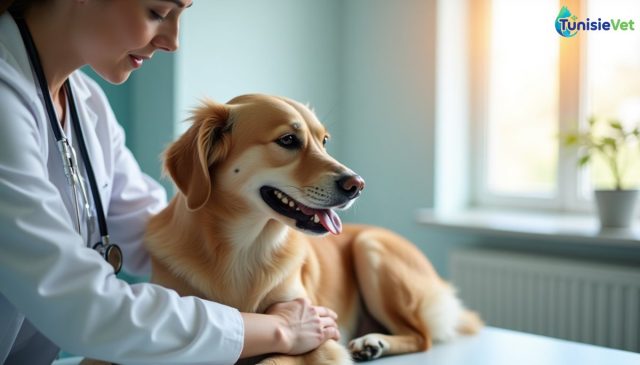
A veterinary wellness exam is often overlooked by pet owners, who tend to wait until visible symptoms appear before booking an appointment. Yet an annual checkup for your animal makes it possible to catch many health issues early, whether you own a cat, a dog, a rabbit or farm livestock. This practical guide explains when to schedule this routine visit, how to prepare your animal, and what information to share with the vet to make every appointment truly worthwhile.
Why prevention makes all the difference in health monitoring
Unlike an emergency visit, a wellness exam isn't meant to treat an already obvious problem, but rather to confirm that everything is fine and to catch potential issues early. Many conditions develop silently for a long time before showing visible signs: dental problems, early kidney trouble, gradual weight gain, or internal and external parasites. A trained vet knows how to spot subtle warning signs that even an attentive owner might miss.
This approach to disease prevention applies just as much to companion animals as to livestock: within a herd, an undetected nutritional imbalance or an emerging disease can spread quickly and affect the entire group.
When to consult without waiting for an emergency
You don't need to wait for a symptom to appear before booking an appointment. Here are the key moments when a routine animal health checkup is recommended:
- A general checkup at least once a year for a healthy adult animal.
- More frequent monitoring for senior animals, whose health needs change faster.
- After bringing home a new pet, to establish a baseline health record and plan vaccinations and deworming.
- Before a breeding period, a major diet change, or a move or trip.
- For livestock, at strategic times such as seasonal changes, turnout to pasture, or before calving/lambing, to adjust parasite control and nutrition accordingly.
Scheduling regular checkups, even without any specific concern, helps build a reliable medical history and makes it easier to spot any unusual change from one visit to the next.
How to prepare your animal before the visit
For companion animals
- Get your pet used to its carrier or crate ahead of time to reduce stress on the day of the appointment.
- Avoid a heavy meal right before travelling, especially if your pet is prone to motion sickness.
- Bring along the health or vaccination record if you have one.
- Take note of any recent behaviour: changes in appetite, mood, energy levels or bowel habits, even minor ones.
For farm animals and livestock
- Set up a calm, secure handling area to make the exam easier without excessive stress for the animal or risk to the people present.
- Gather information on feeding, recent treatments and housing conditions.
- If the visit involves several animals from the same group, identify those that seem less healthy so they can be examined first.
What to tell your veterinarian
A checkup is far more effective when the owner or farmer shares accurate, detailed information. Before you head out, take a few minutes to prepare notes, mentally or in writing, covering:
- Current diet (type, amount, frequency) and any recent changes.
- General behaviour: activity level, sleep patterns, sociability.
- Digestive and urinary habits, even details that seem trivial.
- Current or recent treatments, including parasite control products and supplements.
- Lifestyle: outdoor access, contact with other animals, living environment.
Don't hesitate to prepare your own questions in advance too: about the right diet for your animal's age, how often to deworm, or the warning signs to watch for between visits.
Getting the most out of your wellness visit
To make the most of every appointment:
- Arrive on time and plan for a calm period afterwards, avoiding travel or stressful activity right away.
- Stay present and attentive during the exam: the vet may need your help to keep the animal calm.
- Ask all your questions on the spot rather than putting them off.
- Follow the recommendations carefully, especially regarding vaccine boosters or the next checkup to schedule.
Whether you own a pet or manage a herd, making prevention a regular habit rather than a reaction to an emergency remains the most reliable way to protect long-term health. To organise this visit, you can check the directory of veterinarians to find a professional near you.
How often should you schedule a preventive checkup?
For a healthy adult animal, an annual checkup is generally enough. Senior animals, young animals still growing, and herds exposed to specific health risks benefit from more frequent monitoring, to be defined with your vet based on the individual situation.
Leave a comment
Be the first to comment on this article.

TunisieVet in your pocket 📱🐾 Access your veterinary services wherever you are. [ Download the app ]
Learn more