Veterinary case
Tongue cancer treated without surgery in an old cat
⚠️ This information is provided for awareness only and does not replace an examination by a veterinarian.
🤖 Summary produced automatically from the scientific publication cited at the bottom of the page.
An old cat could no longer eat because of a tumor covering her whole tongue, until a special treatment restored her ability to eat and gain weight.
What happened?
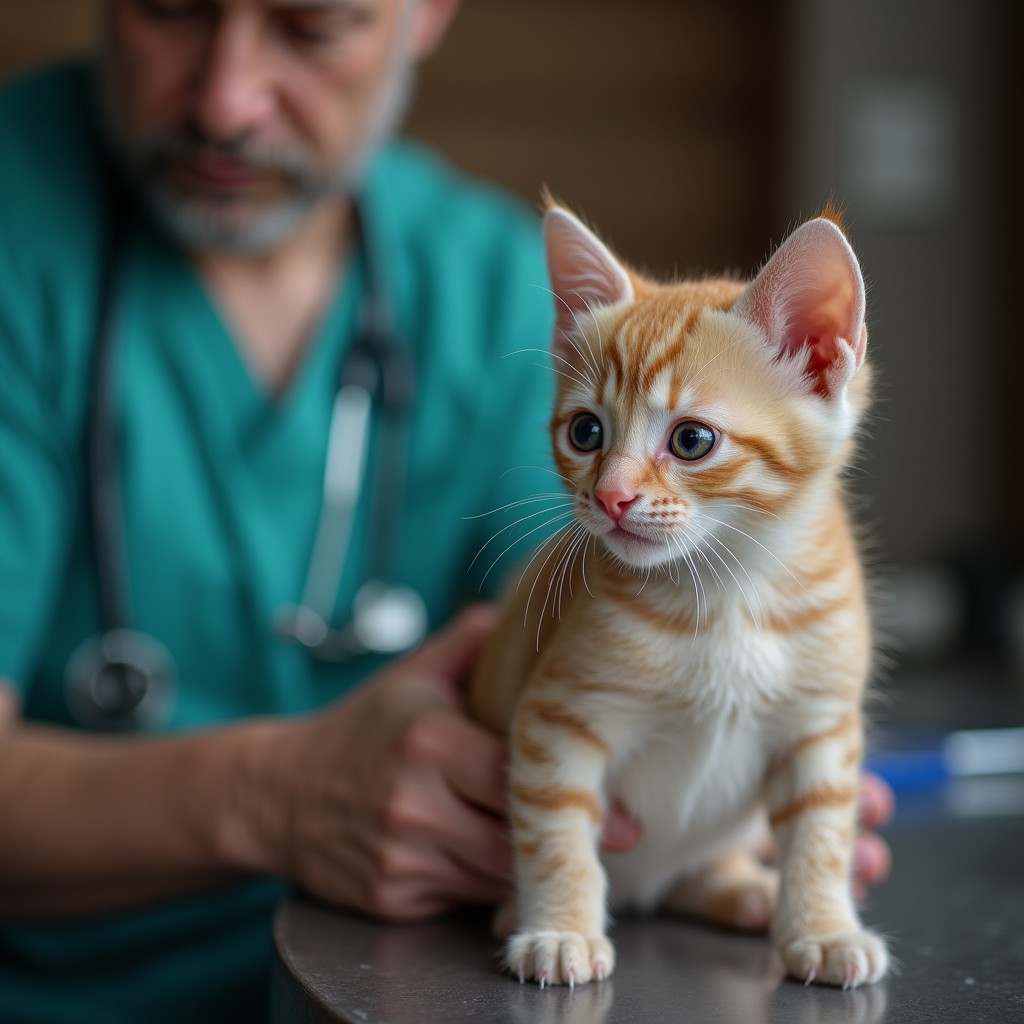
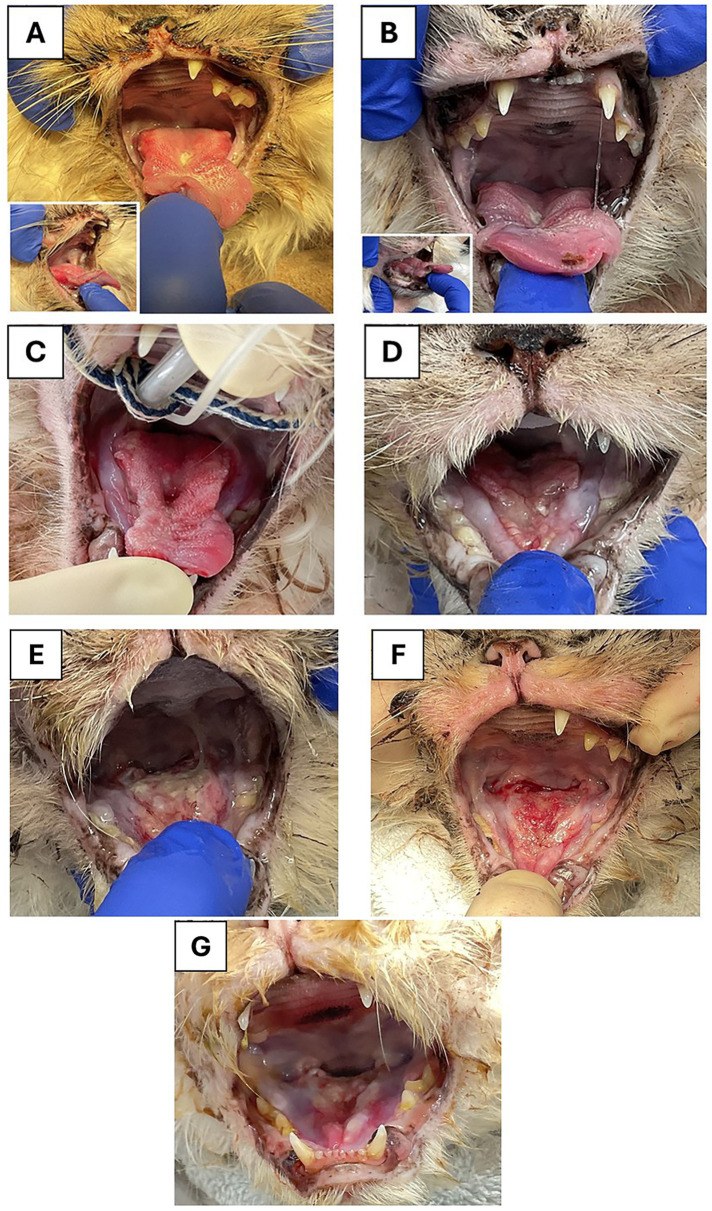
This 14-year-old Persian cat was brought to the vet because for one month she had been eating very little, drooling, and bleeding from the mouth. She had lost a lot of weight, dropping from 2.8 kg to only 1.7 kg. On examination, the vet found a large, painful mass covering the entire length of the tongue.
What did the vet find?
The vet found the cat to be severely dehydrated and extremely thin. A biopsy confirmed it was a tongue cancer called squamous cell carcinoma. Blood tests also revealed an existing chronic kidney disease. Nearby lymph nodes were checked and showed no visible spread of the cancer at that time.
What did the vet do?
ℹ️ Treatment given to THIS animal, decided by its veterinarian. It is not a prescription: never apply it without veterinary advice.
Given the cat's advanced age and kidney disease, the owner declined major surgery and radiation therapy. The vet instead chose a treatment called electrochemotherapy: an anticancer drug was injected into the vein, then small electric pulses were applied directly to the tongue to help the drug penetrate the cancer cells better. This treatment was repeated three times over a few months under general anesthesia, and a feeding tube was placed to help her eat at first. A pain-relief patch was also used after each session.
What happened next?
The tumor gradually shrank, the pain eased greatly, and the cat was able to eat on her own again, gaining weight up to 2.6 kg. She continued eating and drinking normally for several months. She eventually died 120 days after starting treatment from kidney failure unrelated to the cancer; the postmortem exam showed the cancer had actually spread deeper than what could be seen from outside.
Advice for the farmer
When an older animal suddenly refuses to eat or drools abnormally, see a vet quickly: catching a mouth tumor early leaves more treatment options.
Source
- Source
- PubMed Central
- Title
- Electrochemotherapy for feline lingual squamous cell carcinoma: a case report of functional preservation as a palliative approach.
- Authors
- Akiyoshi M, Hisasue M.
- Year
- 2026
- DOI
- 10.3389/fvets.2026.1850098
- Licence
- CC BY