Veterinary case
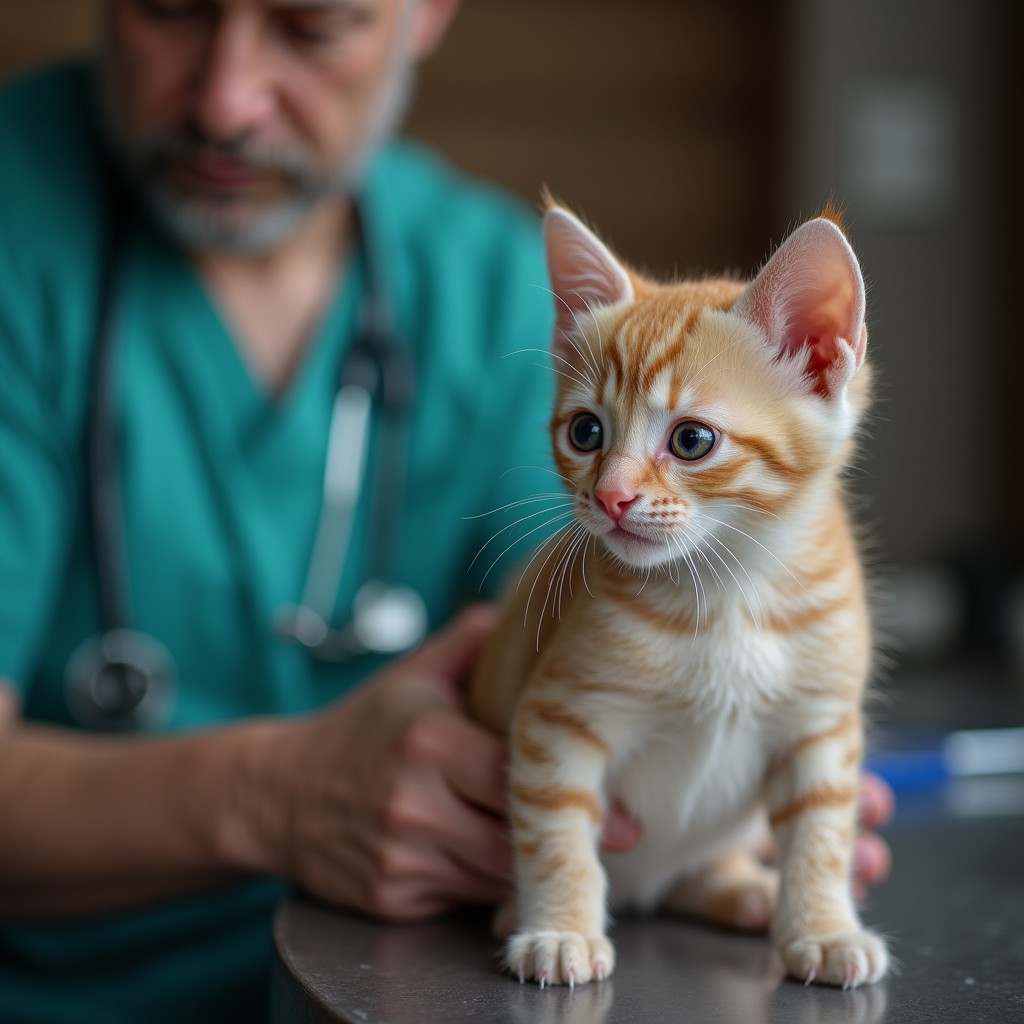
A cat with heart and kidney disease breathes again
⚠️ This information is provided for awareness only and does not replace an examination by a veterinarian.
🤖 Summary produced automatically from the scientific publication cited at the bottom of the page.
How do you relieve the heart of a cat whose kidneys cannot tolerate usual diuretics?
What happened?
An 11-year-old neutered British Shorthair cat had had advanced kidney disease for 18 months and received fluids under the skin at home. He lost his appetite, became lethargic and breathed fast, so he was referred to the hospital.
What did the vet find?
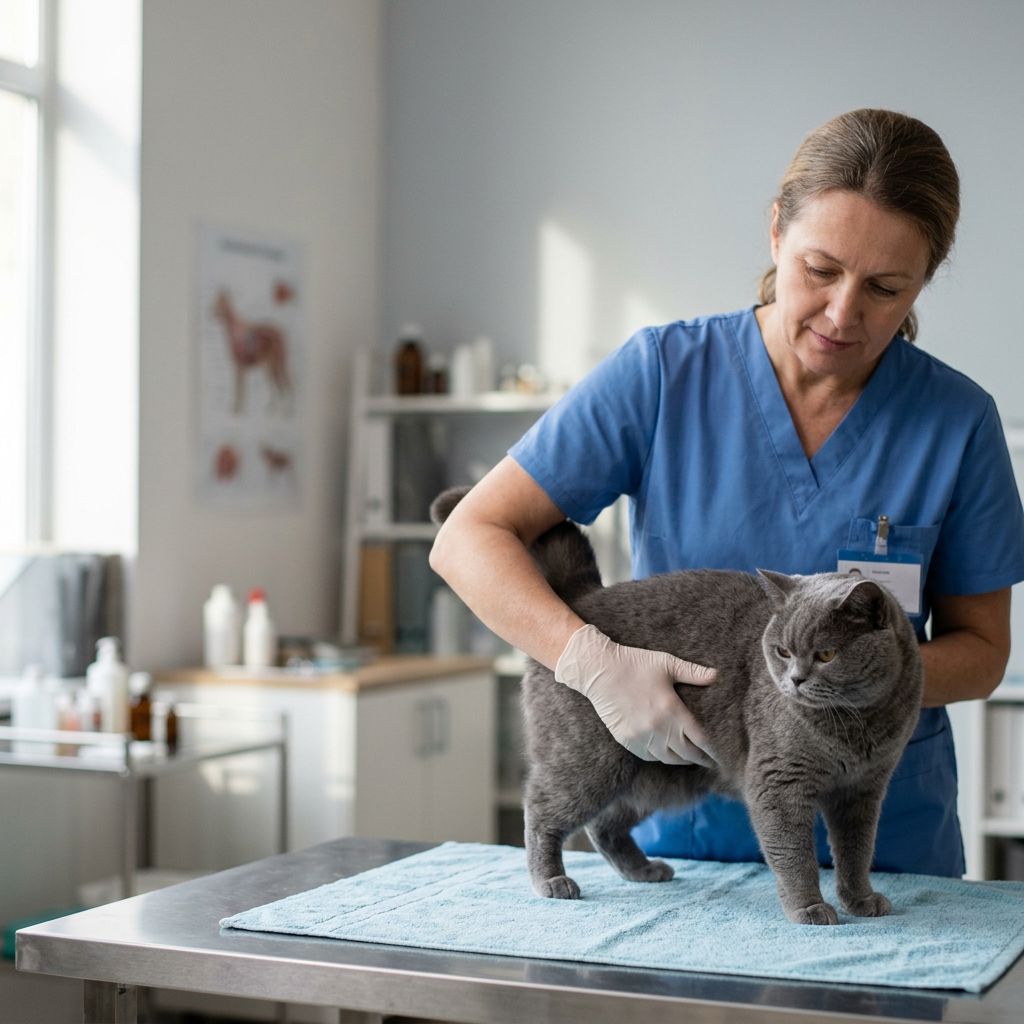
The cat had gained weight and heart sounds were muffled. X-rays showed fluid around the lungs, and heart ultrasound showed fluid around the heart, a thickened heart muscle and an enlarged left atrium. Blood tests showed severe kidney failure. The diagnosis was heart failure with advanced kidney disease.
What did the vet do?
ℹ️ Treatment given to THIS animal, decided by its veterinarian. It is not a prescription: never apply it without veterinary advice.
The vet drained part of the fluid around the lungs to ease breathing. Because usual diuretics could worsen the kidneys, he chose a helper drug that makes the body lose water through urine, plus a heart-support drug. Fluids under the skin were paused for a while. The cat was monitored closely.
What happened next?
His weight dropped then stabilized. By day 17 the fluid around the lungs and heart was gone. Fluids under the skin were restarted without relapse. By day 39 the cat was stable, with better appetite and energy.
Advice for the farmer
In an animal with weak kidneys, loss of appetite or fast breathing calls for a quick vet visit.
Source
- Source
- PubMed Central
- Title
- Case Report: Bexagliflozin as an adjunct decongestive strategy in a cat with congestive heart failure and advanced chronic kidney disease.
- Authors
- Kim BJ, Song KH.
- Year
- 2026
- DOI
- 10.3389/fvets.2026.1791139
- Licence
- CC BY