Photo: Figure 1 — Abebaw B. (PubMed Central, 2024)
⚠️ This information is provided for awareness only and does not replace an examination by a veterinarian.
🤖 Summary produced automatically from the scientific publication cited at the bottom of the page.
A black horse arrives at the clinic with wounds spreading from the chest to the hind legs: the vet uncovers a stubborn fungal disease.
What happened?
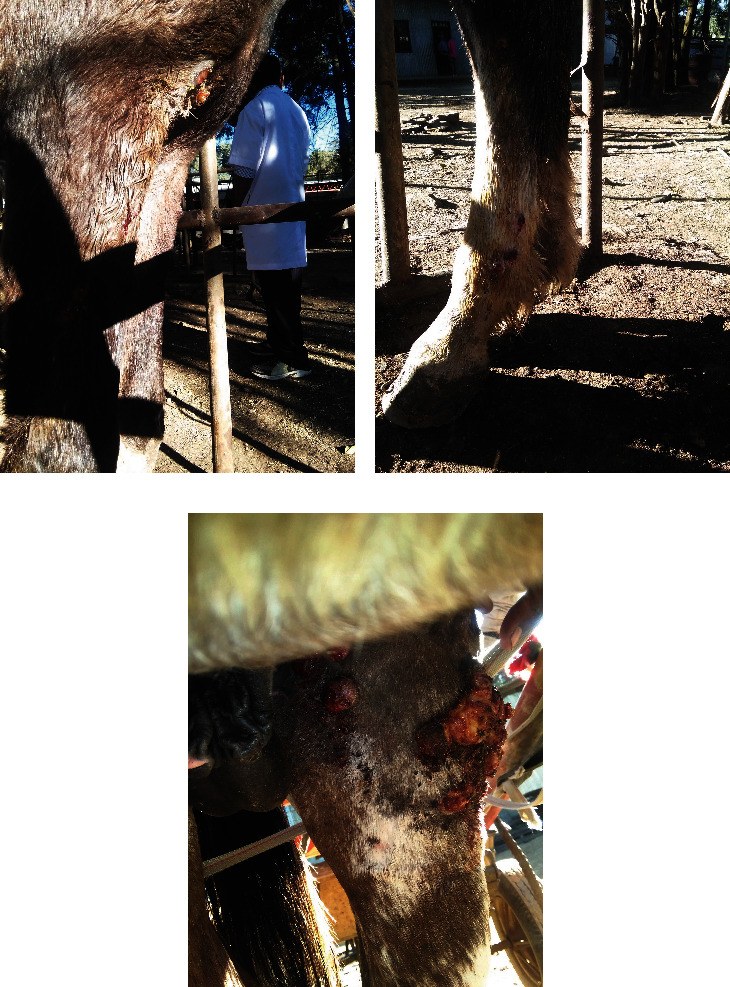
An adult black horse with white legs was brought to the University of Gondar veterinary clinic in Ethiopia. For three weeks, it had shown swelling, discharge and skin wounds on the chest and right front leg, which then spread to the hind legs. The horse grazed freely on pasture and had received no treatment or vaccination before. Other horses in the same group were affected too.
🔎 What did the vet find?
On examination, the horse was alert and responsive, with normal temperature, heart rate and breathing. However, its skin was swollen, thickened and hard, with nodules that had burst open and were discharging pus on the legs and chest. The vet diagnosed epizootic lymphangitis, a disease caused by a fungus that spreads through the skin and lymphatic vessels.
Publicité
Publicité
🩺 What did the vet do?
ℹ️ Treatment given to THIS animal, decided by its veterinarian. It is not a prescription: never apply it without veterinary advice.
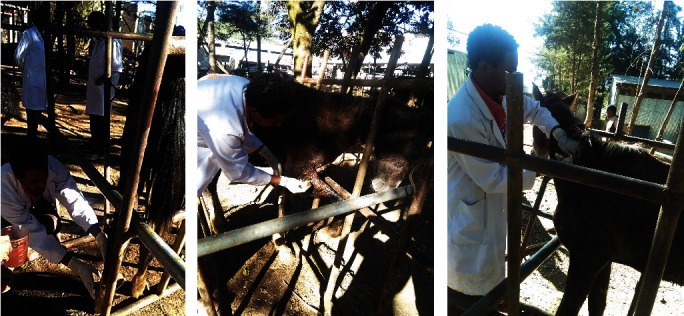
The vet first washed the wounds with diluted potassium permanganate solution, then with saline and topical paraffin. He then disinfected the wounds with 10% povidone-iodine using gauze. An antibiotic was injected for three days against bacterial complications, and an antifungal medicine was given by mouth for one week to treat the underlying fungal disease.
🖼️ The case in pictures
①Before treatment
②Treatment
✅ What happened next?
Despite all these treatments, the prognosis remained poor, because the disease has a long incubation period and the causative fungus is highly resistant to treatment. Other horses affected by the same disease in the area could not be saved and had to be euthanized and then deeply buried, as there was no effective way to stop the disease from spreading.
⚠️ Advice for the farmer
If several horses in the same herd develop slowly spreading skin wounds, isolate them quickly and avoid any contact or shared equipment with other animals, as this disease spreads easily between horses.
Publicité
📚 Source
Source
PubMed Central
Title
Ulcerative and Spreading Nodular Lesion of Epizootic Lymphangitis in Adult Black Horse in Gondar, Ethiopia: Case Report and Wound Treatment.