Veterinary case
A dog paralysed by a fungus in the spinal cord
⚠️ This information is provided for awareness only and does not replace an examination by a veterinarian.
🤖 Summary produced automatically from the scientific publication cited at the bottom of the page.
A small Schnauzer loses the use of his hind legs, and the cause is hidden inside his spinal cord.
What happened?
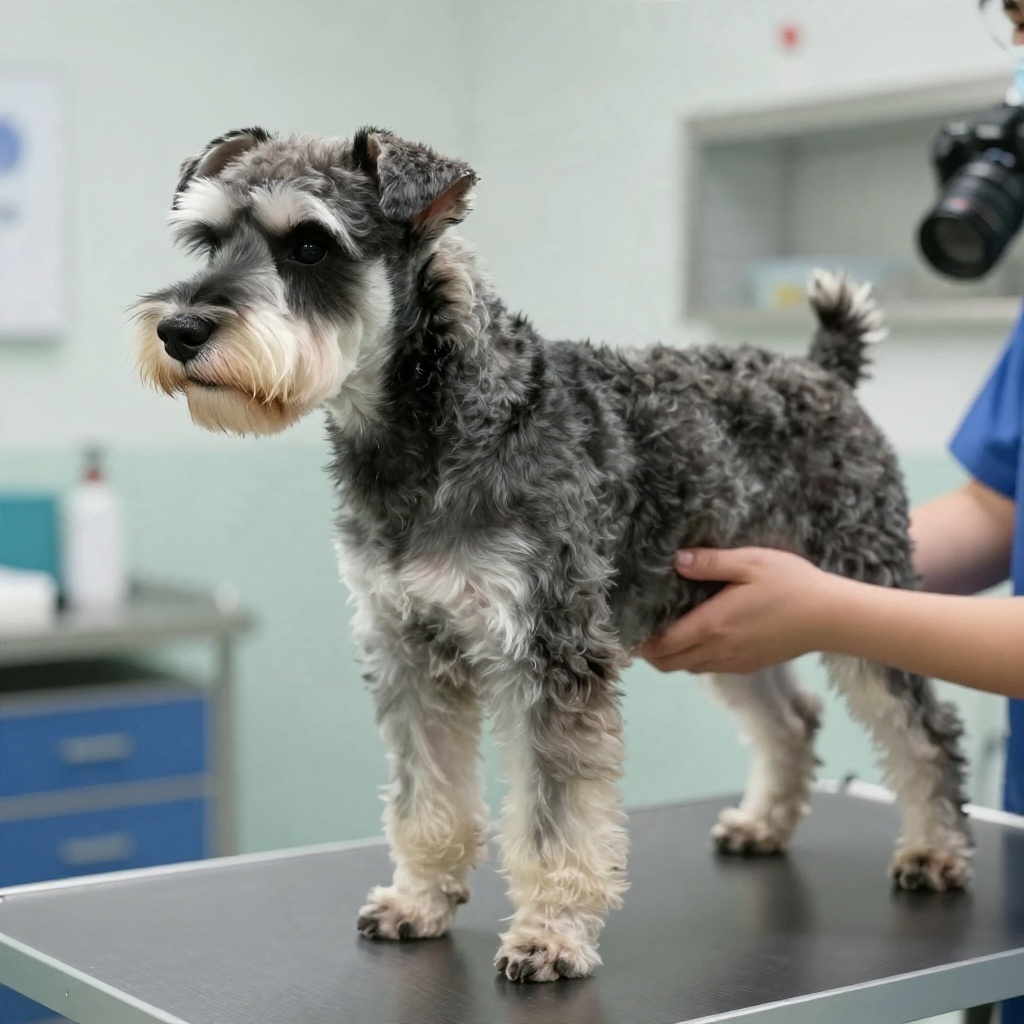
A 7-year-old neutered male Miniature Schnauzer suddenly developed weakness in his hind legs. It worsened over three days. The day after admission he was paralysed in the hind legs, though he could still feel pain.
What did the vet find?
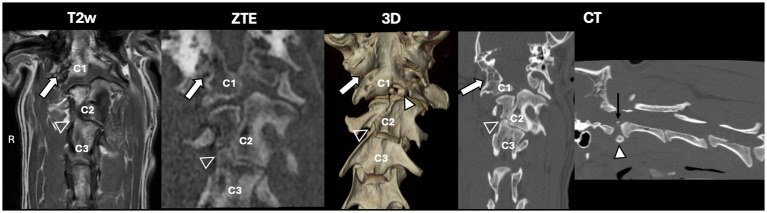
The exam pointed to a spinal cord problem in the mid-back, with back pain. MRI showed a round mass inside the spinal cord with swelling around it. The fluid around the cord held many inflammatory cells. Tests for two parasites were negative. After surgery, the mass showed inflammation with fungal filaments.
What did the vet do?
ℹ️ Treatment given to THIS animal, decided by its veterinarian. It is not a prescription: never apply it without veterinary advice.
The dog first received steroids and painkillers, but worsened. With the owner's consent, the surgeon opened the spine and removed the firm mass from the cord. Once the result came back, the dog received an antifungal drug, fluconazole, for many months.
What happened next?
He walked again within two months. At six months the MRI showed no mass, though mild hind-leg weakness remained. He lived well, then died 18 months later under anaesthesia for an unrelated lump removal.
Advice for the farmer
If hind-leg weakness appears suddenly and worsens, see a vet quickly: sometimes only a tissue sample reveals the true cause.
Source
- Source
- PubMed Central
- Title
- Case Report: Spinal intramedullary fungal granuloma: clinical findings, surgery, and outcome in a dog.
- Authors
- Benito-Benito M, Elvira-Rodriguez T, Bovis MDM, Constantino-Casas F, Ives EJ.
- Year
- 2026
- DOI
- 10.3389/fvets.2026.1882308
- Licence
- CC BY