Veterinary case
A custom vaccine saves hens from a deadly E. coli outbreak
⚠️ This information is provided for awareness only and does not replace an examination by a veterinarian.
🤖 Summary produced automatically from the scientific publication cited at the bottom of the page.
Facing a deadly E. coli outbreak, a farmer avoided antibiotics thanks to a custom vaccine made from bacteria taken from his own farm.
What happened?
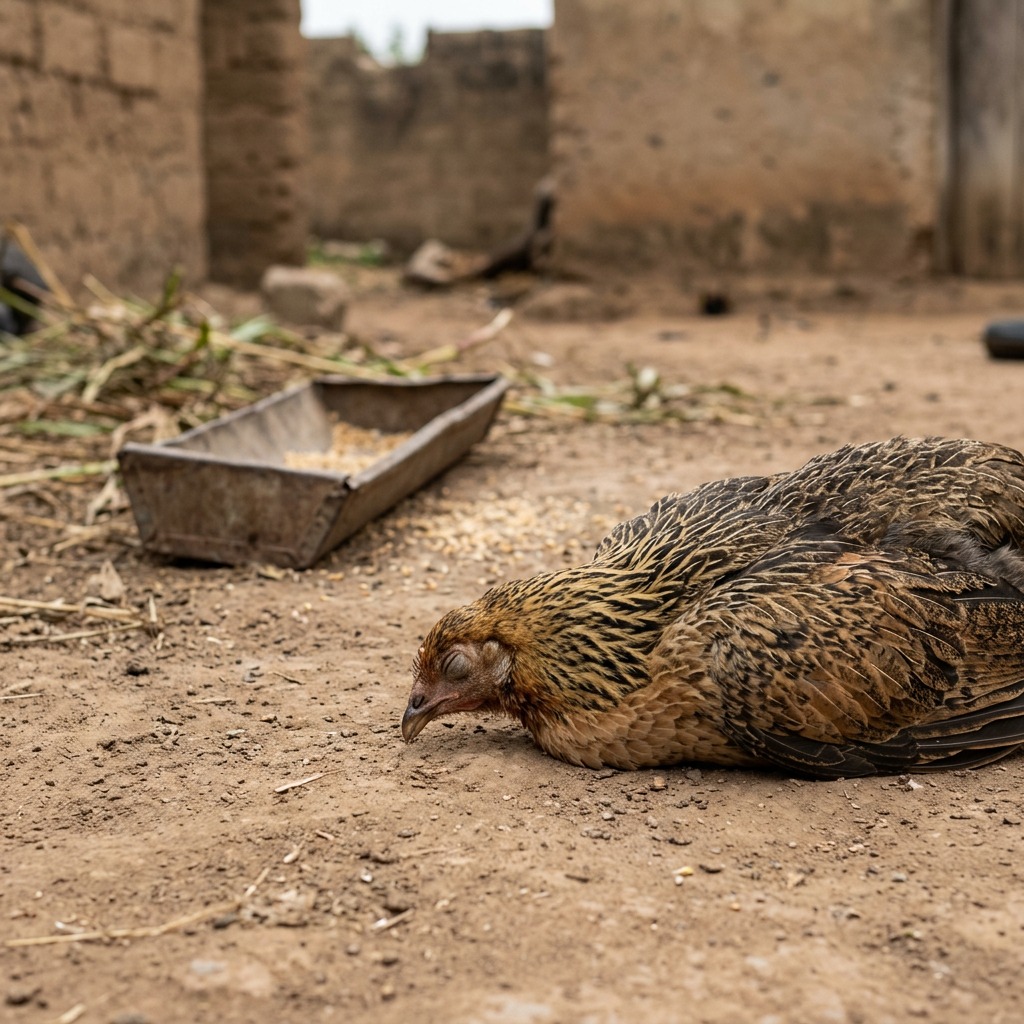
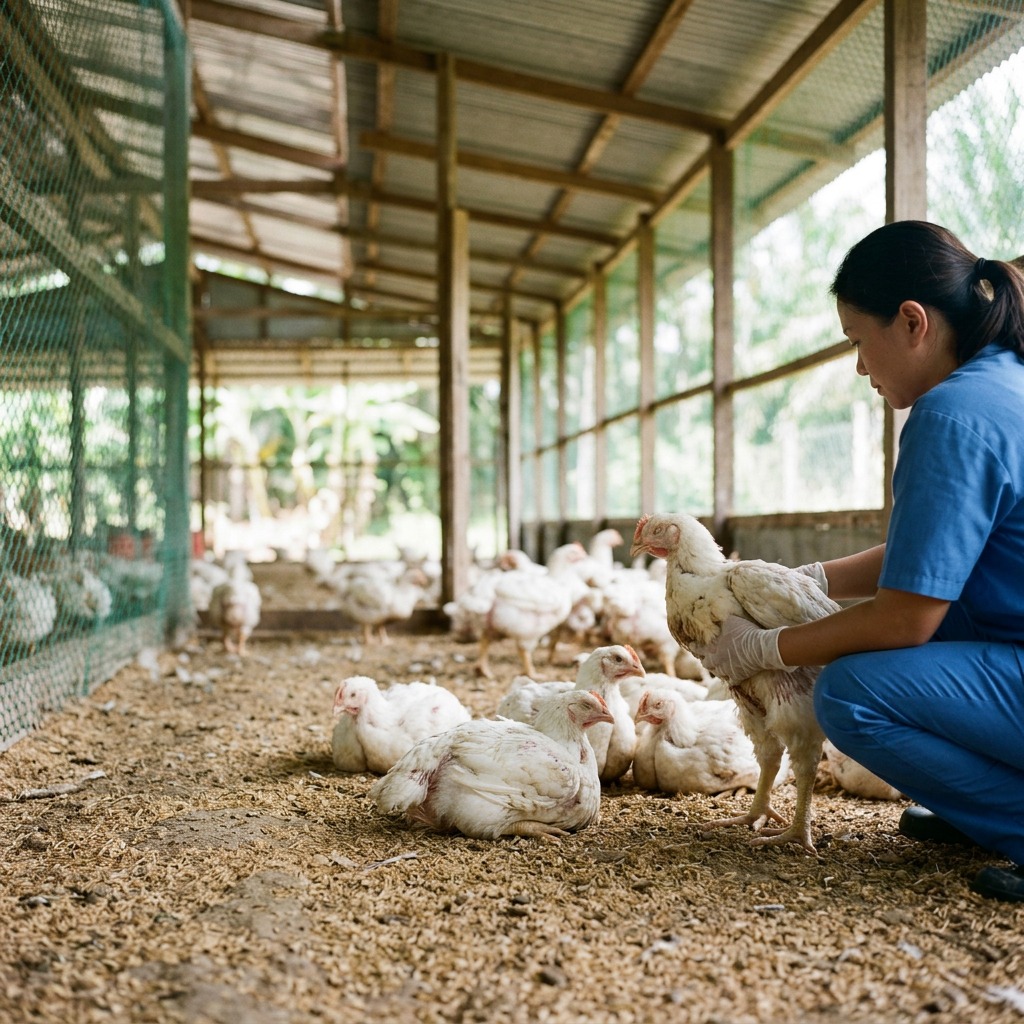
On a free-range family farm with 600 laying hens, the farmers began noticing sick birds and an increasing daily death toll over about a month. Because of an avian influenza lockdown, the hens were kept indoors, which raised stress levels and led to pecking injuries among the birds. Egg production dropped sharply as the disease progressed.
What did the vet find?
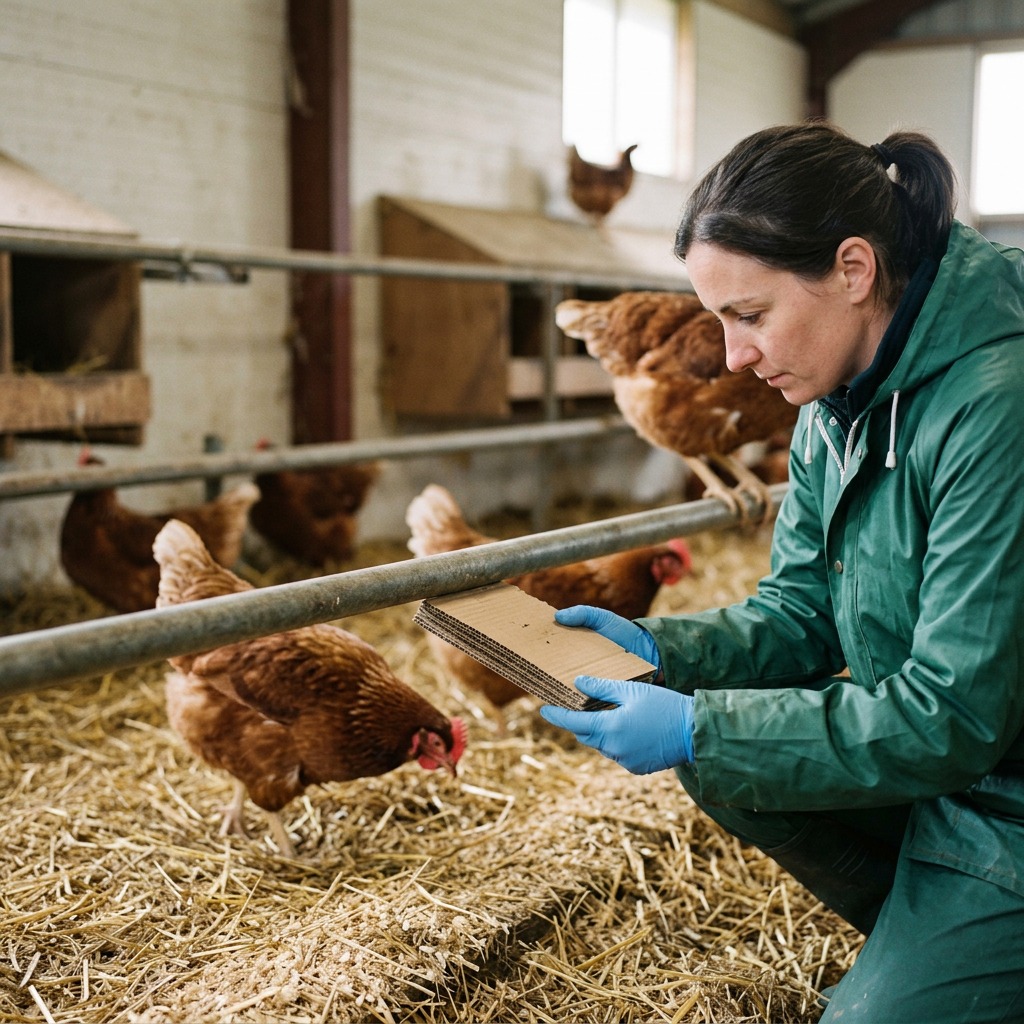
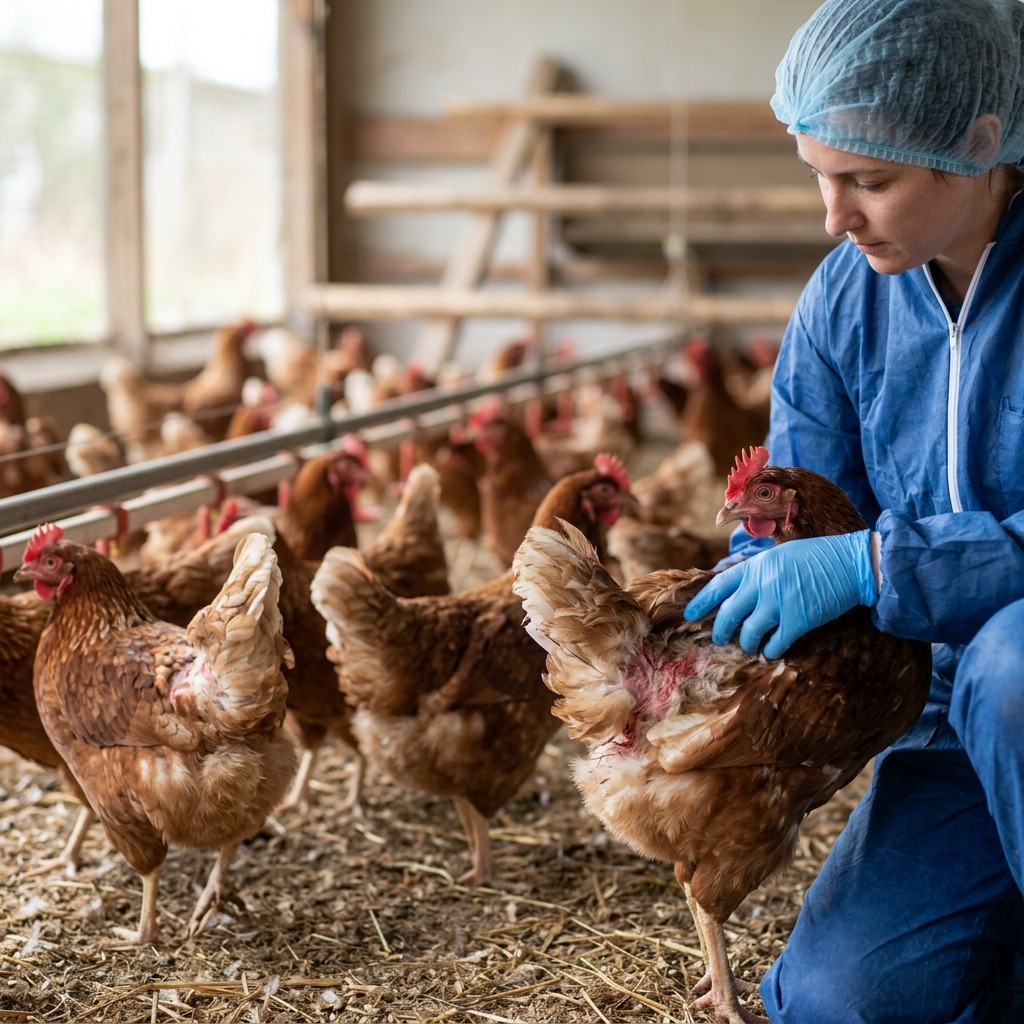
The vet found skin wounds around the vent on all the hens, caused by pecking among the birds. Autopsy of several dead birds showed inflammation of the peritoneum, liver and other organs, along with an enlarged spleen, signs of a body-wide infection. Lab tests confirmed heavy presence of E. coli bacteria in the blood and organs, indicating septicemia.
What did the vet do?
ℹ️ Treatment given to THIS animal, decided by its veterinarian. It is not a prescription: never apply it without veterinary advice.
Instead of giving antibiotics, the vet had a special vaccine made from the E. coli strains taken from the hens that had died on this farm. Each hen received an injection of this vaccine into the muscle. At the same time, the farmers were advised to wash the feeding area less often, since it stayed too wet, and to let it dry fully before letting the birds back in.
What happened next?
Shortly after vaccination, the death toll dropped sharply: after 22 deaths at the start of the outbreak, only 10 birds died over the following three months, mostly in the first days. Within two weeks, the skin wounds healed and egg production returned to normal. Blood tests showed the hens had indeed developed antibodies against the bacteria.
Advice for the farmer
Avoid keeping hens confined in stressful, damp conditions that encourage pecking and bacterial growth; make sure feeding and watering areas dry fully after cleaning.
Source
- Source
- PubMed Central
- Title
- Autogenous Escherichia coli Vaccine Application as an Innovative Antimicrobial Therapy in Poultry Farming-A Case Report.
- Authors
- Lozica L, Morteza Gholi CS, Kela A, Lošić I, Horvatek Tomić D, Gottstein Ž.
- Year
- 2022
- DOI
- 10.3390/vaccines10091567
- Licence
- CC BY