StoryDesertForestSteppeWetlandsStories of the prophets
The Serpent in the Story of Musa and Pharaoh
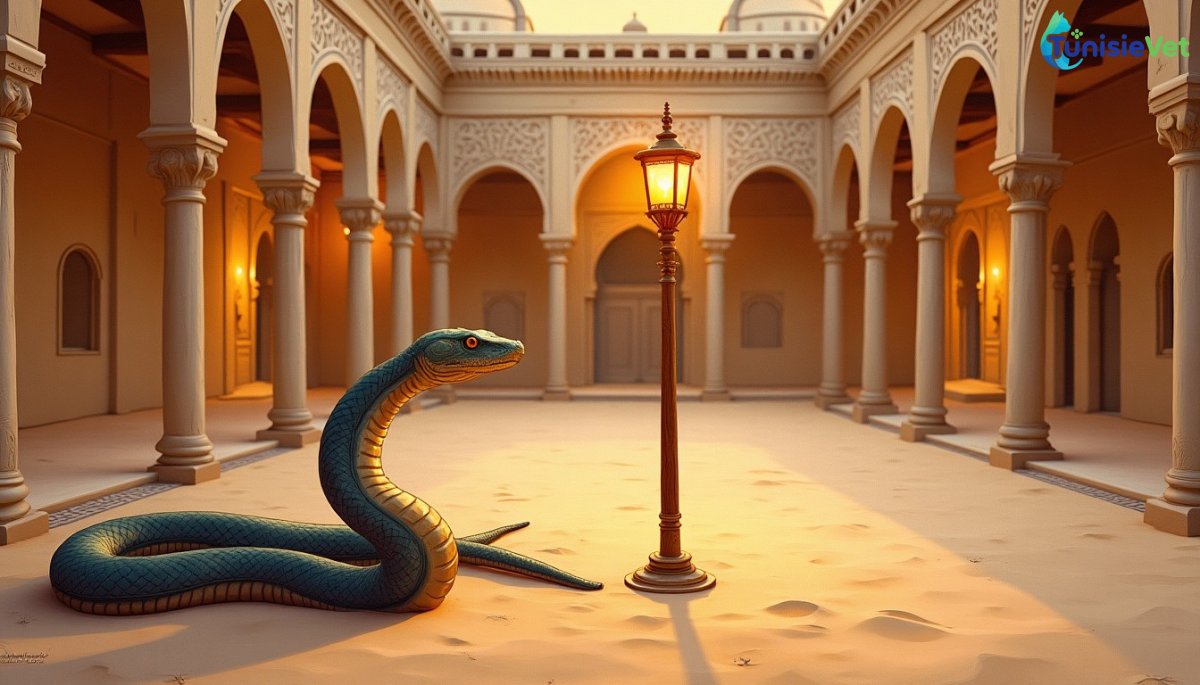
Before Pharaoh and his magicians, Musa's staff transformed into a real serpent, swallowing the illusions cast by Egyptian magic. A divine sign that shook an entire court.
3 min read · Published 3 weeks ago · 27 views
Before Pharaoh's court, assembled to witness a decisive confrontation, Musa ﷺ — peace be upon him — received the command to cast down his staff. This simple piece of wood transformed before everyone's eyes into a real serpent, a brilliant sign sent by Allah to support Musa's mission to Pharaoh, who claimed divinity for himself.
A Sign Among Others
The Qur'an relates this episode several times, particularly in Surah Ta-Ha. Allah commanded Musa to cast down his staff:
Publicité
Publicité
﴿ فَأَلْقَىٰهَا فَإِذَا هِيَ حَيَّةٌ تَسْعَىٰ ﴾
"He cast it down, and behold, it became a serpent moving swiftly."
(Surah Ta-Ha, verse 20)
This miracle was not isolated: it accompanied another sign, that of Musa's hand which became white and luminous without any affliction. Together, these two miracles were presented to Pharaoh as proof of the truth of the message that Musa was charged to deliver.
The Confrontation with the Magicians
Pharaoh, refusing to recognize this sign, gathered the most skilled magicians of his kingdom to discredit Musa before the people. These magicians cast their ropes and their staffs, which appeared to move like serpents through an illusion — the Qur'an clarifies that this was magic that deceived the eyes of the spectators, as Surah Al-A'raf reports.
But when Musa cast down his staff in turn, it became a real serpent that swallowed, by Allah's permission, all that the magicians had produced. This moment was decisive: the magicians, direct witnesses to the difference between their craft and the authentic sign from Allah, fell prostrate, immediately acknowledging that this was a divine miracle and not a superior magic trick of their own. They proclaimed their faith in the Lord of Musa and Harun, despite the threats that Pharaoh immediately pronounced against them.
Publicité
Publicité
It is reported by the scholars of Qur'anic exegesis that this serpent, though impressive, posed no danger to Musa himself: Allah had asked him not to fear and to seize it again, after which the staff returned to its original form, as Surah An-Naml also mentions concerning a similar episode that occurred during Musa's initial call at the blessed bush.
A Lesson in Faith and Discernment
This episode illustrates the fundamental difference between an authentic miracle, an undeniable sign of Allah's power, and human devices, however impressive they may be. The magicians, experts in illusion, were the first to perceive this difference and to bow before the truth, showing that sincere recognition can arise even among those who seemed most opposed to the message.
This account also reminds us that Allah's creatures, including an animal as feared as a serpent, can become instruments of a divine sign, without this diminishing in any way the respect we owe to all forms of animal life. Even in such an extraordinary context, no harm was done to the transformed creature nor suggested as acceptable toward serpents in general. As believers, it falls to us to keep in mind that kindness toward animals — whether they inspire fear or affection — remains an essential value, in accordance with the example of the Prophet Muhammad ﷺ who encouraged gentleness and mercy toward all creatures.