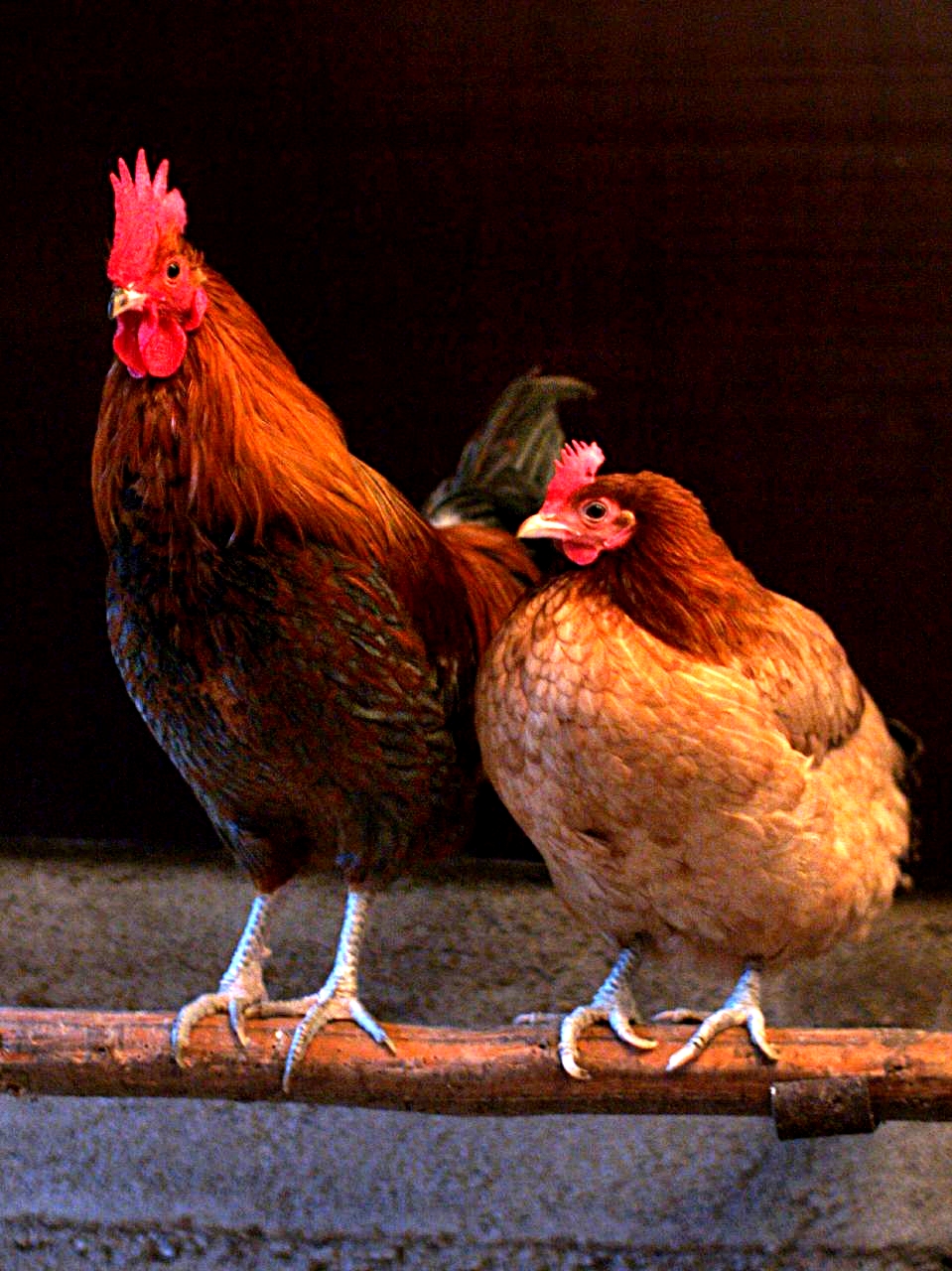
A chicken sorts through mash because it selects food by sight, favoring the largest particles and certain colors (such as the yellow of corn), and rejects fine powder as less palatable. The result is that it consumes only the large pieces and leaves the rest, throwing off what was originally a complete diet.
Visual sorting that disrupts the formula
Chickens have keen vision suited to recognizing shapes and colors, an asset for spotting seeds and insects in their natural environment. When applied to a mash feeder, this behavior becomes a farming problem: the finest components (vitamins, minerals, amino acids) are often the most nutrient-dense ingredients but the least visible and least textured. By setting these aside, the bird ends up consuming mainly energy (coarse grains) without the accompanying supplements, which can lead to deficiencies despite a diet originally balanced by the manufacturer.
Pellets and crumbles minimize this sorting because the manufacturing process binds all ingredients—including fine powders—into a single homogeneous particle. The chicken cannot visually separate the components: each pellet or crumble contains the same proportion of nutrients as the whole formula. Farming studies show that this homogenization significantly reduces waste and improves feed efficiency compared to plain mash, especially in group-reared animals where feeding competition intensifies selective sorting.
Feeder adjustments that reduce waste
Fill the feeder only one-third full: a level that is too high encourages selective pecking and food spillage outside the trough.
Choose a feeder with a rim or anti-waste grill, which limits the beak movements that allow fine particles to be displaced.
Distribute dampened mash as a slurry when sorting is a recurring problem: water temporarily clumps the particles and prevents visual selection.
Adjust the feeder height to the level of the chickens' backs to limit scratching and scattering.
If there is doubt about the true nutritional balance actually consumed by a flock after sorting, veterinary or farming advice is still recommended.