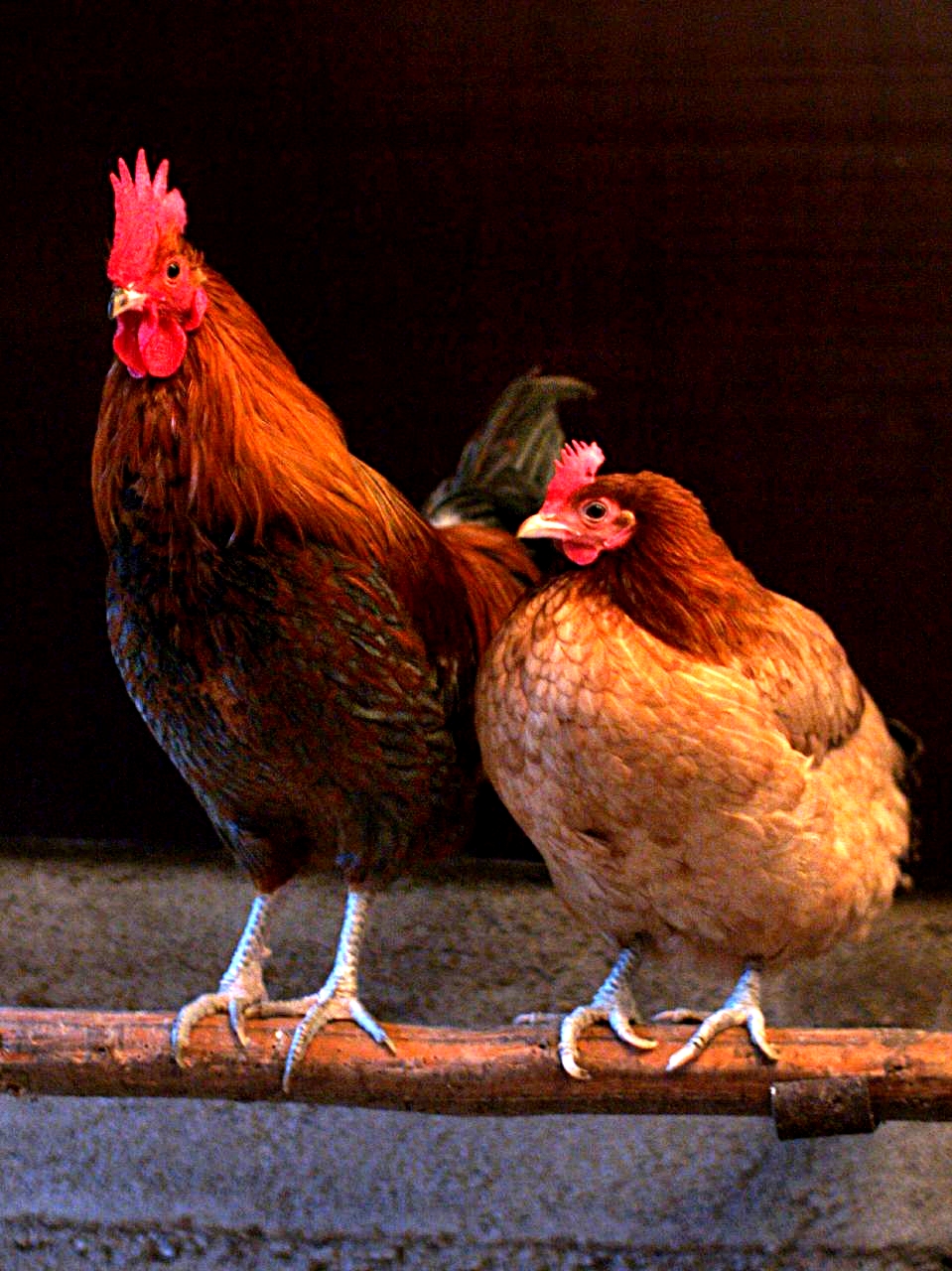
A hen increases its food intake in winter because maintaining body temperature against the cold requires more energy. The poultry keeper must therefore adjust management practices, paying special attention to water, shelter, and light—more so than simply increasing grain portions.
Practical winter care priorities
The primary winter risk is not hunger but thirst: water freezes once temperatures drop below 0°C, and a hen denied water drinks less and eats less, since hydration and feed intake are linked. Checking morning and evening that water remains liquid is just as important as adjusting the ration.
Laying naturally drops in winter, independent of cold itself: it is the reduction in day length that slows the secretion of hormones stimulating ovulation. A hen needs roughly 14 to 16 hours of light daily to lay normally; below 8 to 9 hours of winter daylight, production can fall 50% or more, even if the bird continues eating well.
Publicité
Publicité
Lastly, a dry shelter free from drafts often matters more to welfare and feed intake than simple ration adjustment. Moisture combined with cold greatly increases heat loss from the body, forcing the bird to draw even more heavily on energy reserves. A well-insulated coop with proper ventilation—not exposed to wind—limits this extra cost, and usually stabilizes appetite better than increasing feed alone.
Key points for poultry keeping in Tunisia
Under Tunisian climate, winters remain generally mild, yet cool nights and humidity in coastal or mountain areas are enough to warrant this attention. A professional or veterinarian remains the reference point if unusual decline in condition or prolonged drop in laying occurs.