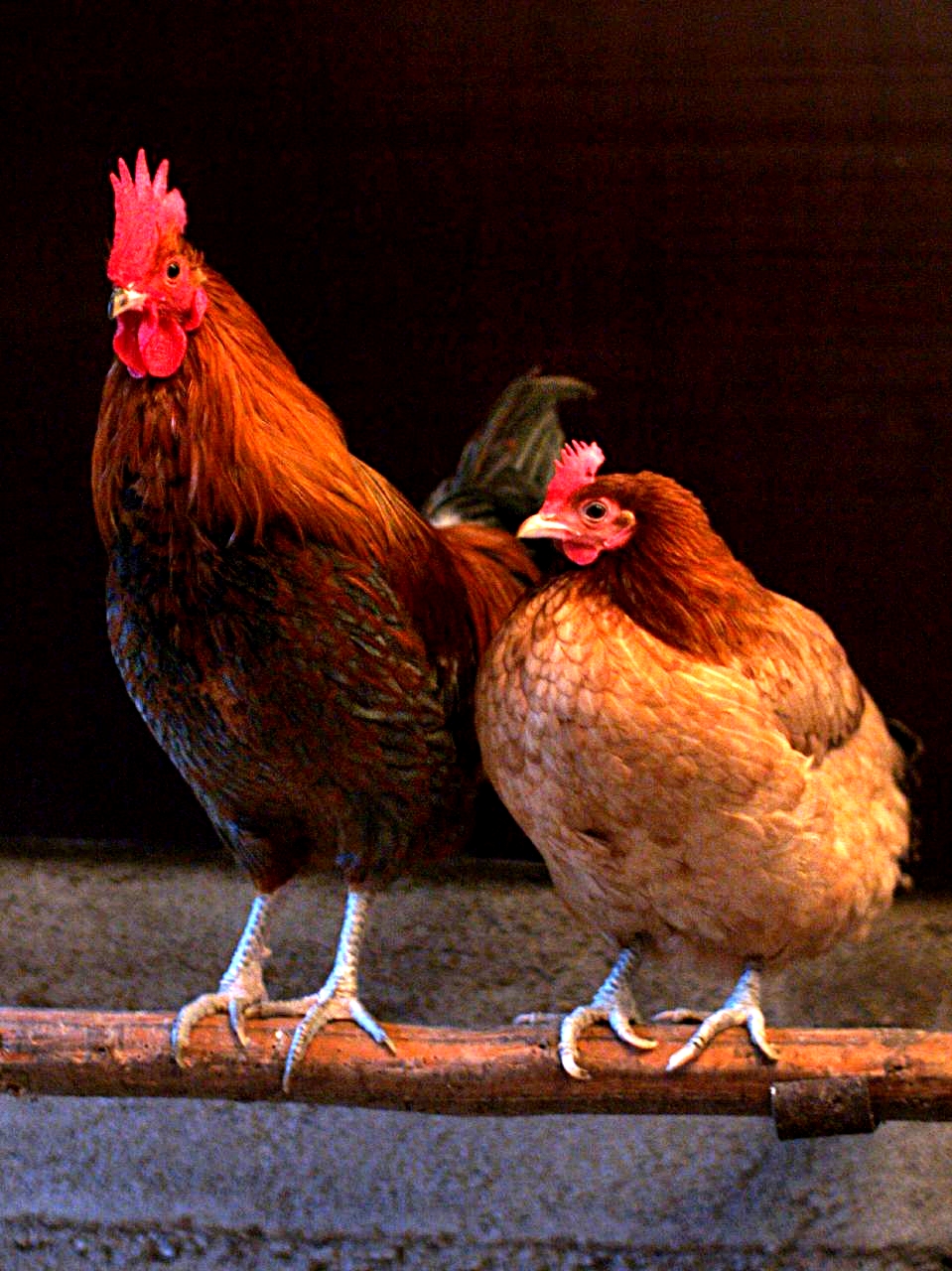
Stress alters a hen's appetite because it triggers a hormonal response (cortisol, adrenaline) that suppresses food intake and disrupts the reproductive system. In a backyard coop, the most common triggers are the arrival of a new hen and the reshuffling of the pecking order, a predator prowling at night, the presence of a dog, a move to a new location, or an unusual noise.
A timing gap that catches the keeper off guard
The reaction unfolds in two stages. Within the first hours of stress, food consumption drops, sometimes noticeably within 24 to 48 hours: the bird stays alert, spends less time foraging in the litter, and eats less frequently. It is only several days later, often 4 to 10 days after the stressful event, that egg production falls in turn, because forming an egg draws on reserves built up beforehand. Severe or prolonged stress can even trigger a stress molt, with localized feather loss, several weeks after the initial trigger.
This timing gap explains why the keeper, seeing egg production decline, looks for a recent cause — feed, illness, weather — when the responsible event happened several days earlier. Social hierarchy plays a central role: in hens, introducing a new individual rekindles dominance fights until the pecking order stabilizes, a period during which lower-ranking birds eat less due to restricted feeder access or heightened vigilance.
Calming measures
Introduce any new hen gradually, keeping her visible but separated for a few days before mixing
Secure the coop at night (buried fencing, automatic door) to limit predation stress
Keep the household dog away from the hens during the settling-in period
Set up multiple feeders and water points to reduce competition during pecking order reorganization
Avoid sudden noises and abrupt environmental changes, especially during laying periods
If appetite loss persists with no identifiable stress cause, veterinary advice is necessary to rule out a health problem.