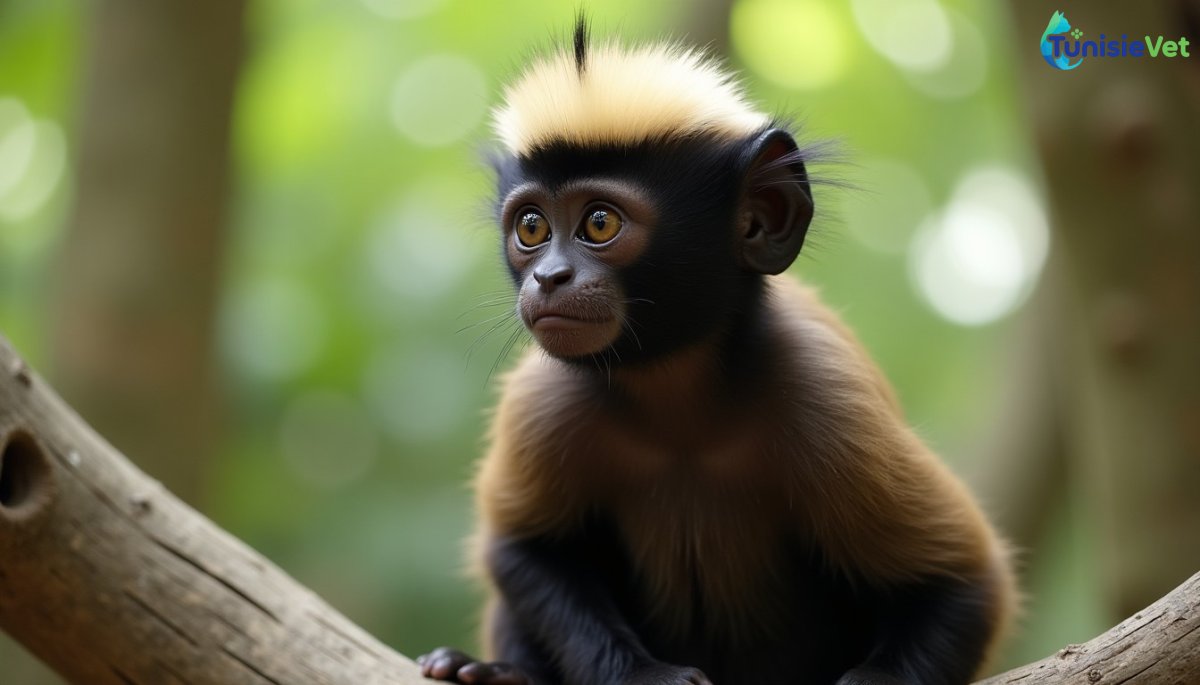
A rat that watches a companion hesitate in a maze improves more than a rat that watches an empty maze. Yet in front of a flawless model, it does not improve at all.
Publicité
Publicité
In one experiment with rats, observers watched other rats gradually learn which arms of an eight-arm maze were rewarded. When tested alone afterwards, these observers performed better than control rats. The effect appeared only when the layout of the rewarded arms stayed the same during the demonstration and the test.
The most striking finding concerns what did not work: when demonstrators made no errors, the observers did not improve. One possible explanation, raised by the researchers, is that the useful information lies in how new or relevant the observed behaviour is, not in the error alone.
Primates show related signs. Capuchin monkeys used a partner's failure to guide their own behaviour, and in macaques, neurons in the medial frontal cortex respond to errors made by others. These results remain debated, however, and they vary with the species and the task.