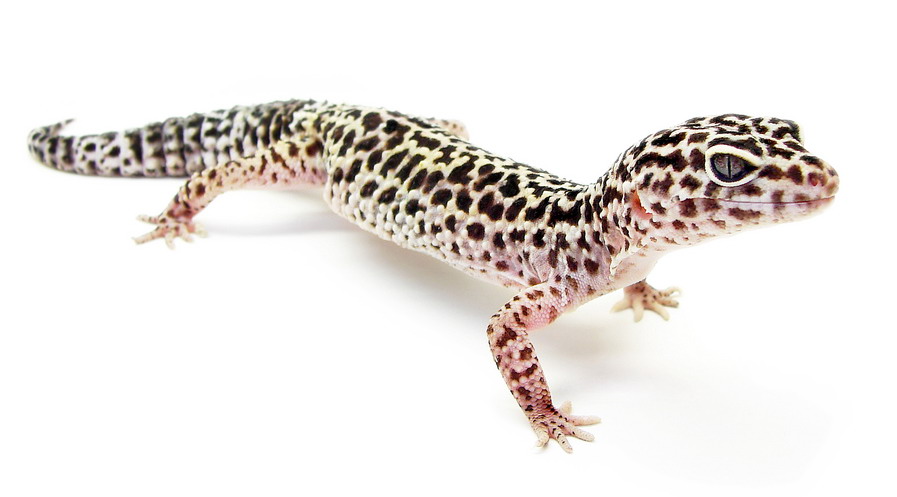
The leopard gecko can lose its tail because its caudal vertebrae have preformed fracture planes: when a predator grabs the tail, a muscle contracts and ruptures the vertebra at this precise location, without effort or prolonged pain. The detached tail continues to wag on its own, distracting the predator's attention as the animal escapes.
An emergency mechanism programmed into the skeleton
This phenomenon, called caudal autotomy, is based on areas of weakness located within the vertebrae themselves, not between them. Muscle fibers surround these rupture points and instantly tighten to limit bleeding, which remains minimal. Post-detachment movements from the abandoned section, powered by local nervous reflexes, can last several minutes, a lure convincing enough to fool a snake or bird.
Regrowth begins within a few weeks, but the result is never identical to the original: the new tail is supported by a tube of cartilage and not by articulated bony vertebrae, it is generally shorter, stockier and often of a slightly different shade or texture than the original.
Publicité
Publicité
In the leopard gecko, the tail is not just an appendage: it is an energy reserve where the animal stores fat, useful during periods of fasting or before reproduction. Its loss therefore represents a real cost, the loss of these reserves can weaken an already stressed individual, which explains why autotomy remains a solution of last resort rather than a harmless reflex.
A gesture to be avoided
Because this mechanism is easily triggered by a simple pull, you should never grab or hold a leopard gecko by the tail, whether in domestic handling or in natural observation: the resulting stress and loss of energy reserves can weaken the animal well beyond simple visible amputation. In the event of an injury or tail remaining partially attached, veterinary advice is recommended.