
Cattle Lameness: Warning Signs and Prevention for Livestock Farmers

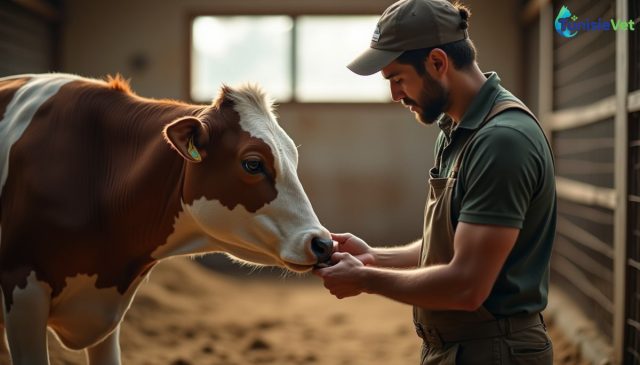
Cattle lameness is identified by abnormal gait, uneven weight distribution across three limbs, or reluctance to move. It's one of the primary causes of animal suffering and production loss in livestock operations. This practical guide helps farmers recognize early warning signs, identify common causes, and establish effective prevention measures before an emergency arises.
1. Why Monitoring Cattle Lameness Matters
A lame cow experiences pain that affects her overall behavior. She eats less, drinks less, and lies down more frequently, disrupting rumination and reducing milk production. Left untreated, lameness worsens and becomes harder to manage, with an increased risk of deep-seated foot infections.
Beyond animal suffering, untreated lameness triggers a cascade of consequences: reduced fertility, progressive weight loss, and heightened vulnerability to other diseases. Early detection remains the most effective approach to preserve cattle welfare and herd profitability.
2. Alert Signs to Spot Quickly
Certain signals should alarm the farmer even before lameness becomes visually obvious.
- Arched or hunched back or lowered head while walking
- Shortened or hesitant stride on one or multiple limbs
- Abnormally prolonged lying time
- Delayed arrival at the feeding area or milking station
- Heat, swelling, or visible redness around the hoof
- Abnormal limb positioning when standing or at rest
A standardized visual gait scoring system, observed regularly at the same location and time, allows you to track an animal's progress over time and catch emerging cases early.
Observing Gait in Daily Routine
The best time to observe animals is during their movement toward the feeding or milking area, ideally on flat, non-slippery ground. A healthy cow plants her feet with confidence, maintains a straight back, and moves at a steady pace.
3. Most Common Causes of Cattle Lameness
Cattle lameness rarely has a single cause. It typically results from a combination of multiple factors.
Hoof Lesions and Disorders
Horn tissue weakens due to excessive moisture, abrasive flooring, or nutritional imbalances. The most frequent injuries affect the sole, white line, or interdigital space, causing localized pain with every step.
Injuries and Trauma
Slippery floors, gravel-strewn passageways, and poorly maintained facilities encourage slips, sprains, and wounds. Transition zones between barn and outdoor areas are particularly high-risk.
Infectious and Inflammatory Diseases
Certain bacterial infections target the skin surrounding the hoof or internal hoof tissues. Constant moisture and poor floor hygiene promote their emergence and spread throughout the herd.
Nutrition and Management Factors
Unbalanced rations, abrupt dietary changes, or insufficient exercise weaken hoof horn over time. Excess weight also increases pressure on limbs.
4. Diagnosis: When and How to Assess Lameness
Lameness diagnosis begins with careful observation, followed by a close examination of the isolated animal.
- Observe the overall gait on a flat surface
- Identify which limb or limbs are affected based on weight distribution
- Calmly isolate the animal to examine the hoof closely
- Check for heat, swelling, or unusual odors
- Document severity and track changes over several days
If a lesion appears deep, a wound fails to heal, or the animal refuses to bear weight entirely, consult without delay a veterinarian specializing in cattle for accurate diagnosis and appropriate treatment.
5. Preventing Lameness Daily
Lameness prevention in livestock relies on simple, repeated actions rather than sporadic interventions.
Maintain Floors and Circulation Areas
Clean, dry, and non-slippery floors significantly reduce injury and infection risks. Bedding areas must remain comfortable and well-drained to limit prolonged contact with hard surfaces.
Schedule Regular Hoof Trimming
Regular trimming corrects horn deformations before they become painful. This procedure should be performed by a trained person using proper tools in a calm environment.
Optimize Nutrition
A balanced ration, introduced gradually when making changes, supports long-term hoof quality and health. Fresh water must be available continuously, especially during warm periods.
Promote Comfort and Exercise
Adequate space for movement and lying down limits excessive pressure points on limbs. Regular access to outdoor areas, when feasible, also promotes joint flexibility.
Comparative Chart: Causes, Signs, and Prevention Actions
| Common Cause | Associated Warning Sign | Prevention Action |
|---|---|---|
| Hoof Horn Lesion | Localized lameness on one limb, heat in hoof | Regular trimming, clean and dry floors |
| Injury or Trauma | Sudden onset, visible wound | Floor and passageway maintenance |
| Skin or Hoof Infection | Unusual odor, swelling, redness | Strict hygiene in animal areas |
| Nutritional Imbalance | Diffuse lameness across multiple animals | Stable, balanced ration |
6. Common Mistakes to Avoid
- Waiting until lameness becomes severe before taking action
- Neglecting floor and passageway maintenance
- Spacing out trimming sessions too far apart
- Making abrupt changes to the feed ration
- Ignoring an animal isolated from the group—often a sign of pain
In Summary
- Observe animal gait regularly on flat ground
- Quickly isolate and examine any suspicious animal
- Maintain floors and practice regular hoof trimming
- Balance nutrition and ensure constant access to fresh water
- Consult a veterinarian if any lesion appears serious or doesn't improve
Frequently Asked Questions
How can I recognize cattle lameness at its earliest stage?
Early signs include a hesitant stride, an arched back, and longer lying periods than usual. Watching animals walk toward the feeding area often reveals these changes before they worsen.
How often should I check my cattle's hooves?
Continuous visual gait monitoring of the entire herd is recommended, supported by regular scheduled trimming sessions. The exact frequency depends on flooring conditions, feed quality, and individual animal condition.
Do I always need a veterinarian for cattle lameness?
Mild lameness may sometimes improve with rest and clean flooring, but any deep lesion, infected wound, or persistent pain requires professional evaluation. Early diagnosis prevents complications and speeds recovery.
Cattle lameness remains a daily challenge for livestock farmers, yet careful observation and consistent preventive actions can substantially reduce its occurrence. When in doubt or faced with a concerning lesion, always consult a veterinarian near your farm to maintain your herd's health and comfort.
Leave a comment
Be the first to comment on this article.
