
Animal Surgery: Complete Guide to Getting Started

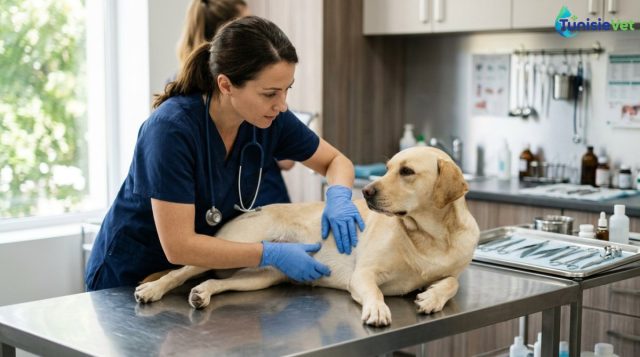
Is your pet facing surgery and you're unsure what to expect? This practical guide walks you through every step—from preparing your animal before the procedure to managing recovery afterward. It explains how to avoid common mistakes and ensure your pet comes through surgery safely. Our goal is simple: to help your animal's operation go as smoothly as possible for both your pet and your peace of mind.
1. Understanding Why Surgery Is Recommended
A veterinarian recommends surgery when medical treatment alone isn't enough to solve a health problem. The most common situations involve sterilisation, removal of a suspicious mass, fracture repair, extraction of a swallowed foreign object, or treatment of an abdominal emergency. In each case, your vet will explain the diagnosis, your options, and why surgery is preferable to simply waiting and monitoring.
It's completely legitimate to ask questions before agreeing to proceed: What benefits can we expect? What are the risks? Is there a less invasive alternative? A good conversation with your veterinarian helps you make an informed decision rather than feel pressured into one.
2. Preparing Your Animal Before Surgery
How well you prepare your pet has a major impact on how smoothly the surgery goes. Here are some straightforward guidelines that apply to most species:
- Follow the fasting instructions your vet gives you, usually starting the evening before, to minimise anaesthesia-related risks.
- Allow access to water according to your vet's instructions, as dehydration should always be avoided.
- Report any current medications, known allergies, or recent illness episodes.
- Keep your animal calm and avoid strenuous activity or unnecessary stress in the hours before transport to the clinic.
- Use a secure, properly sized carrier for small animals to reduce anxiety during the journey.
A calm, well-prepared animal typically responds better to anaesthesia and recovers more quickly.
Special Considerations for Young and Elderly Animals
For very young animals and senior pets, your vet will tailor the anaesthetic protocol and may request additional tests before surgery. This is not cause for extra worry—it's a sensible precaution to keep the procedure as safe as possible.
3. Surgery Day: What Actually Happens
A surgical procedure typically follows a well-established sequence:
- A quick clinical exam confirms your animal is fit for surgery.
- Pre-medication is given to calm your pet and make anaesthesia easier to administer.
- General or local anaesthesia is induced depending on the type of procedure.
- The surgical team continuously monitors your animal's vital signs throughout the operation.
- After surgery, your pet is kept in a controlled recovery area until reflexes return.
This close monitoring is why most animals stay for a few hours, or sometimes overnight, under observation after surgery.
4. Common Mistakes to Avoid
Certain errors come up repeatedly among pet owners unfamiliar with surgical procedures:
- Not following the pre-operative fast, which can force postponement of surgery.
- Removing the Elizabethan collar or bandage too soon, exposing the wound to licking or infection.
- Resuming normal physical activity before the recommended recovery period ends.
- Giving human medication to "help," which can be toxic depending on the species.
- Skipping post-operative veterinary follow-ups just because your animal "seems fine."
Each of these mistakes can slow healing or cause preventable complications.
5. Ensuring Proper Recovery
The period after surgery is just as important as the operation itself. It requires organisation and patience.
Essential Steps for Home Recovery
- Place your animal in a quiet area away from other household pets for as long as your vet recommends.
- Keep the Elizabethan collar or protective garment on until your vet gives permission to remove it.
- Check the surgical site daily: any redness, swelling, or discharge should be reported immediately.
- Give prescribed medications exactly as directed without stopping early on your own.
- Limit jumping, running, and stair climbing until the wound is completely healed.
When to Seek Help
Prolonged loss of appetite, a wound that opens, extreme lethargy, or fever warrant an immediate call to your clinic. It's always better to call about "nothing" than to ignore a developing complication.
6. Comparing Major Surgery Types by Risk Level
To help you better understand what's involved, here's an overview of the most common surgical categories.
| Surgery Type | Common Examples | Post-operative Monitoring Level |
|---|---|---|
| Routine procedures | Sterilisation, microchipping | Moderate, a few days of rest |
| Orthopaedic surgery | Fracture, dislocation | High, several weeks of recovery |
| Emergency surgery | Foreign body removal, abdominal emergency | Very high, hospitalisation often needed |
| Soft tissue surgery | Mass removal, wound repair | Variable depending on extent of procedure |
This classification is general in nature: only your veterinarian can accurately assess the specific risk level for your individual animal and situation.
7. Choosing the Right Veterinary Support
Before any surgery, ask your vet clear questions about the anaesthetic protocol, the post-operative care they'll provide, and what signs to watch for at home. Building trust with your veterinary team makes managing stress so much easier for both you and your pet. To find a qualified professional near you and prepare for your animal's procedure with confidence, you can consult the veterinarian directory to compare practitioners in your area.
Summary
- Follow all fasting and pre-operative instructions your vet provides.
- Ask your veterinarian any questions before giving consent for surgery.
- Monitor the surgical site and your animal's behaviour closely after surgery.
- Keep the Elizabethan collar on and restrict physical activity throughout recovery.
- Contact your clinic promptly if you notice any unusual signs—don't wait.
Frequently Asked Questions
Is animal surgery always risky?
All surgery carries some risk, but this risk is substantially reduced through proper preparation and careful monitoring. Your vet assesses your animal's overall health before operating to minimise the chance of complications.
How long does it take for an animal to recover from surgery?
Recovery time depends on the type of surgery, your animal's age, and general health—ranging from a few days for minor procedures to several weeks after orthopaedic surgery. Your veterinarian will provide a recovery timeline tailored to your pet's specific situation.
Can I feed my pet normally after surgery?
Food should be reintroduced gradually, often with small amounts on the evening of surgery or the next day according to your vet's instructions. Follow your veterinarian's recommendations rather than relying solely on your own judgment.
A well-prepared and well-monitored surgery goes without major complications in the vast majority of cases. Whenever you have any doubt at any stage, the best approach is to contact your veterinarian for advice tailored to your animal's particular situation.
Leave a comment
Be the first to comment on this article.

TunisieVet in your pocket 📱🐾 Access your veterinary services wherever you are. [ Download the app ]
Learn more