
How to Choose Your Cat's Litter: Clumping, Absorbent, or Plant-Based?

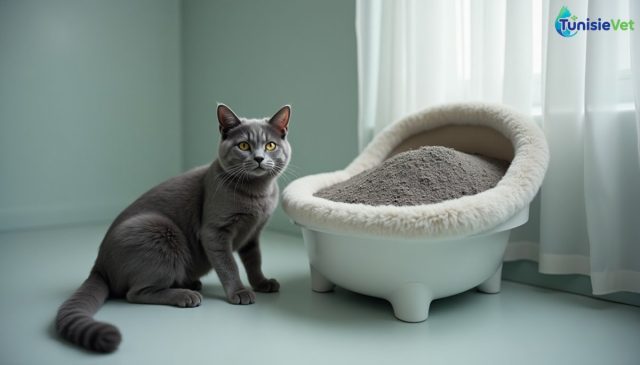
A poorly chosen or poorly placed litter box is the leading cause of "inappropriate elimination" in a healthy cat. Before blaming the animal, it's worth reviewing three things: the type of litter, the box itself, and where it's located.
1. The main types of litter
- Clumping (bentonite clay, sometimes plant-based): urine forms clumps that are removed daily; the litter box is topped up throughout the week and emptied completely less often. This is the most common type and most economical in use.
- Absorbent (conventional clay, wood chips): retains liquids without forming clumps; the entire litter box needs to be changed more frequently.
- Silica: highly absorbent, low odor, needs changing every two to three weeks; some cats dislike the texture on their paws.
- Plant-based (wood, corn, paper): biodegradable, lighter weight, sometimes clumping; often better tolerated by cats sensitive to dust.
The cat litter section brings together the formats sold by partner shops (5, 10 liters and more), with or without fragrance.
2. Scented or Unscented?
Fragrances (lavender, Marseille soap, activated charcoal, etc.) appeal to humans; cats generally prefer neutral-smelling litter. If your cat refuses a scented litter box, try the same litter in an unscented version before switching types. Activated charcoal works on odors without added fragrance.
3. The tank: size, shape, number
A litter box should be large enough for the cat to turn around in — roughly one and a half times the length of the animal — and deep enough for it to dig without scattering litter everywhere. Covered litter boxes reduce odors and scattered litter, but some cats refuse the enclosed space: test without forcing. The standard rule is one box per cat, plus one.
4. The Location
A quiet, constantly accessible place, away from food and water bowls, with no noisy traffic (washing machine, busy hallway). In a multi-story home, having a litter box on each level prevents many accidents.
5. Maintenance
Remove waste daily, top up the litter, and perform a complete cleaning of the litter box at regular intervals with a mild product (avoid concentrated bleach or heavily scented products, as the smell may deter the cat). A mat in front of the box catches litter grains tracked by the cat's paws.
6. When It's Not the Litter Box
A cat that is normally clean but suddenly starts urinating outside the litter box, often in small amounts, or cries while urinating may have a urinary problem: this is a common veterinary emergency in cats, not a behavioral issue. Consult a vet before changing litter — the TunisieVet directory lists practices by city.
In summary
- Clumping = easy daily maintenance; absorbent = more frequent complete changes.
- Fragrance-free if the cat is reluctant; activated charcoal for odor control.
- A large litter box, one per cat plus one, in a quiet place away from food and water bowls.
- Any sudden change in behavior: see a veterinarian first.
Leave a comment
Be the first to comment on this article.

TunisieVet in your pocket 📱🐾 Access your veterinary services wherever you are. [ Download the app ]
Learn more