
Discover TunisieVet: Essential Veterinary Care Guidance

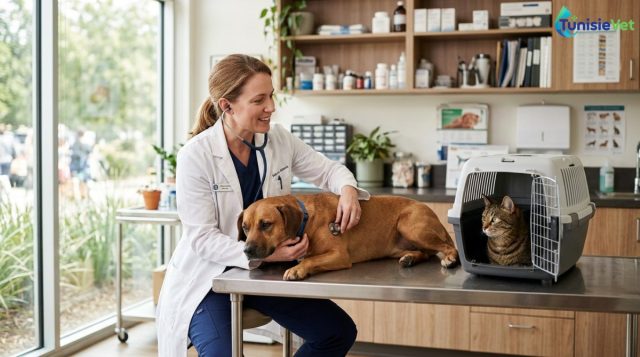
Discovering TunisieVet often raises similar questions among pet owners: how to find a reliable veterinarian, when to schedule a consultation, and which daily veterinary advice to follow? This practical guide addresses these questions point by point, with concrete steps you can apply starting today, whether you own a dog, cat, or farm animal.
1. What is a veterinary directory and what is its purpose?
A veterinary directory is a tool that lists animal health professionals based on their location, specialty, and the types of animals they treat. It saves time when searching for a clinic near your home or a practitioner experienced with a particular species, such as livestock or exotic pets.
In practical terms, this type of platform helps compare several options before scheduling an appointment, especially when relocating or after a recent adoption. It complements, without replacing, recommendations from neighbors or trusted breeders.
Why use a directory rather than searching randomly?
- You quickly identify practitioners close to your home or farm.
- You find veterinarians trained in a specific species (poultry, livestock, companion animals).
- You avoid unnecessary travel in case of emergency.
2. How to choose the right veterinarian?
Selecting a veterinarian depends on several simple criteria to verify before any consultation. These criteria apply regardless of the animal in question.
- Geographic location: a nearby clinic makes regular check-ups and emergency care more convenient.
- Specialization: some practitioners focus on companion animals, while others specialize in livestock (cattle, sheep, goats) or poultry.
- Availability: opening hours, emergency consultation options, and appointment wait times.
- Communication: a good veterinarian explains their diagnosis clearly and answers questions without rushing.
For dog or cat owners, it's helpful to consult a dedicated page to view professionals suited to your species: veterinarians for dogs or veterinarians for cats. Livestock farmers can also find practitioners specializing in sheep, goats, or cattle.
3. Which daily veterinary tips should you follow?
Beyond occasional consultations, simple daily practices prevent many health problems in animals, regardless of species.
Hydration and nutrition
- Provide fresh, clean water at all times, refreshed several times daily during hot weather.
- Adjust food portions to your animal's age, weight, and activity level.
- Avoid sudden changes in diet, which often disrupt digestion.
Hygiene and environment
- Regularly clean living spaces (litter boxes, enclosures, coops, stalls).
- Ensure good ventilation to minimize humidity and odors, which promote respiratory diseases.
- Provide shaded areas and shelter from extreme heat or cold.
Daily observation
Observing your animal daily allows you to spot early signs of behavioral changes, appetite loss, or movement problems. This simple vigilance facilitates early diagnosis during your next consultation.
4. When should you consult a veterinarian without delay?
Certain signs should immediately alert an owner, as they can indicate an emergency.
| Sign observed | Urgency level | Recommended action |
|---|---|---|
| Loss of appetite for several days | Moderate | Consultation within 24-48 hours |
| Repeated vomiting or diarrhea | High | Quick consultation, dehydration risk |
| Difficulty breathing | Emergency | Immediate consultation |
| Mild, isolated lameness | Low | Monitor, consult if it persists |
| Deep wound or bleeding | Emergency | Immediate consultation |
When in doubt, it's always better to seek professional advice than wait for the condition to worsen. Delayed care often complicates treatment and increases costs.
5. How to prepare for a veterinary visit?
An effective consultation requires minimal preparation, which facilitates the veterinarian's work and reduces stress for your animal.
- Note the observed symptoms: when they started, how frequently, and under what circumstances.
- Gather your animal's health record or follow-up documents if they exist.
- Transport your animal in an appropriate cage or on a leash to minimize stress.
- Avoid feeding your animal right before an examination that may require sedation.
- Prepare your questions in advance so you don't forget anything during the visit.
This preparation applies equally to companion animals and farm animals examined at the clinic or on-site.
6. Should you consult differently depending on the animal type?
Needs vary significantly between species, and veterinary advice must be adapted accordingly.
- Dogs and cats: regular monitoring, deworming, weight and coat condition checks.
- Poultry (chickens, turkeys, ducks): egg production monitoring, coop cleanliness, group behavior observation.
- Livestock (cattle, sheep, goats): breeding follow-up, body condition scoring, and forage quality assessment.
- Exotic pets (rabbits, ferrets, guinea pigs): special attention to species-specific diet and environment.
For each species, specialized practitioners are available: find veterinarians for rabbits, chickens, or guinea pigs in the directory.
In summary
- A veterinary directory helps you quickly find a professional suited to your animal and region.
- Choose your veterinarian based on proximity, specialization, and availability.
- Apply simple daily veterinary practices: fresh water, hygiene, regular observation.
- Consult immediately if you notice emergency signs such as difficulty breathing or deep wounds.
- Prepare each visit by noting symptoms and gathering relevant documents.
Frequently asked questions
How do I find a veterinarian near me?
Use an online directory that allows you to filter practitioners by location and animal species. You can also ask for recommendations from other pet owners or farmers in your area.
How often should I take my animal to the veterinarian?
An annual wellness check is generally recommended for a healthy animal. Older animals or those with medical history require closer monitoring, which should be determined with your veterinarian.
What should I do if my animal shows unusual signs in the evening or on weekends?
If the symptoms are mild, monitor the situation and consult the nearest clinic when it opens. If the signs are severe (difficulty breathing, significant bleeding, severe lethargy), seek an emergency veterinary service immediately.
Discovering TunisieVet means having a reliable reference point for finding the right professional at the right time. To learn more, consult the complete veterinary directory and choose the practitioner best suited to your animal.
Leave a comment
Be the first to comment on this article.
