
Getting Started with TunisieVet: Your Complete Beginner's Guide

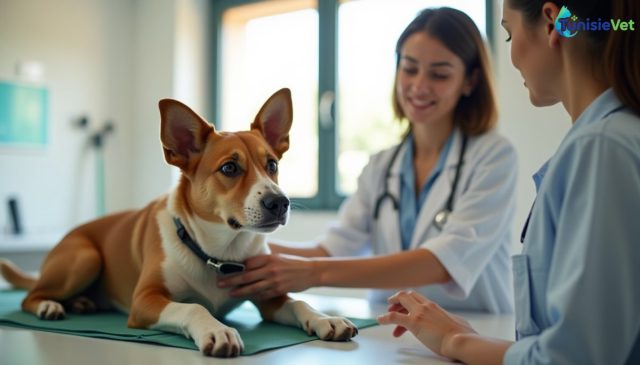
Have you just discovered TunisieVet and want to know how to find reliable veterinary advice for your animal? This practical guide explains how to navigate the site, avoid common beginner mistakes, and develop the right habits—whether you're a pet owner or a livestock farmer.
1. Why Consult a Guide Before Searching for a Vet
Many new pet owners and farmers turn to unreliable sources the moment an animal health problem arises. Yet starting well means understanding a few key principles before you ever need emergency care. Discovering TunisieVet is first about learning to structure your search for trustworthy information.
A practical guide saves time when your animal shows unusual signs. It also helps you tell the difference between a minor issue and a genuine emergency, avoiding both unnecessary stress and dangerous delays.
Concrete Benefits of Good Preparation
- React faster when you notice an unusual symptom.
- Avoid unnecessary trips to the vet.
- Communicate better with your vet during consultations.
- Prevent certain problems through simple daily practices.
2. Common Mistakes New Pet Owners Make
Certain mistakes appear repeatedly among new animal owners, whether they own a cat, dog, or farm animal. Knowing about them helps you avoid them from the start.
- Waiting too long before consulting: any symptom lasting several days deserves professional attention.
- Relying only on random online information: every animal and situation is different.
- Neglecting prevention: worming, vaccination, and proper nutrition remain the foundation of animal health.
- Changing diet abruptly: a gradual transition prevents digestive upset.
- Forgetting fresh water during hot weather: hydration is essential for all animals, year-round.
3. Developing Good Habits From Day One
Adopting good habits in the first few weeks with your animal makes everything easier going forward. Here are the essential steps to start well.
- Observe your animal's behavior, appetite, and activity level every day.
- Note any unusual changes, even minor ones, so you can describe them accurately.
- Create a preventive care schedule (vaccination, worming, regular check-ups).
- Set up a living space suited to the species: cleanliness, temperature, safety.
- Identify a trusted professional in advance so you're not scrambling in an emergency.
When to Consult Without Delay
Certain signs should always raise your alarm, no matter what animal you have: prolonged refusal to eat or drink, breathing difficulties, repeated vomiting, extreme lethargy, or visible injury. In these cases, never wait to get professional advice.
4. Comparing Common Situations by Urgency Level
This table helps you distinguish what needs simple observation from what requires prompt consultation.
| Observed Situation | Alert Level | Recommended Action |
|---|---|---|
| Slight appetite change at one meal | Low | Monitor over twenty-four hours |
| Persistent unusual fatigue | Moderate | Consult within the next few days |
| Repeated vomiting or diarrhea | High | Consult promptly |
| Breathing difficulty or serious injury | Emergency | Immediate consultation |
5. Making the Most of a Veterinary Directory
A vet directory makes it easy to find a professional suited to your animal and your location. To start well, it's wise to browse available profiles before an urgent need arises, so you already have a trusted contact in mind.
Whether you have a dog, cat, or farm animal, you can consult the veterinary directory to find a professional near you who specializes in your animal's species. If you're thinking about welcoming a new pet, the adoption page can also guide you helpfully.
Key Criteria for Choosing a Professional
- Geographic proximity, to make regular visits convenient.
- Possible specialization based on animal type.
- Availability for emergencies.
- Word-of-mouth or feedback from other owners.
6. Practical Tips for Beginner Farmers
Farmers starting out with farm animals should apply the same vigilance principles, just on a larger scale. Herd or flock health depends on regular observation of each animal, not just intervention when problems occur.
- Establish a daily visual inspection routine.
- Quickly isolate any animal showing suspicious signs to prevent spread.
- Ensure nutrition appropriate for each growth stage.
- Maintain strict hygiene standards in living areas.
Summary
- Regular observation of your animal helps you spot problems before they worsen.
- Certain symptoms require prompt consultation, without delay.
- Prevention remains the best way to limit health issues.
- Identifying a trusted professional before an emergency makes future decisions easier.
- A good practical guide helps you build the right habits from day one.
Frequently Asked Questions
How do I get started with a new pet?
It's recommended to observe its daily behavior, prepare a suitable living space, and identify a trusted professional in the first few weeks. This preparation helps you avoid many common beginner mistakes.
How often should I see a vet?
Regular check-ups are advised even without visible symptoms, to ensure effective preventive care. The exact frequency depends on the species, age, and overall health of your animal.
What signs should prompt immediate action?
Breathing difficulty, repeated vomiting, prolonged refusal to eat, or visible injury all justify a consultation without delay. When in doubt, it's always better to seek professional advice quickly.
Discovering TunisieVet is, above all, about learning to anticipate rather than react to unexpected animal health issues. By applying these simple veterinary tips and keeping this guide handy, you'll build a solid foundation for caring for your animal or farm with confidence.
Leave a comment
Be the first to comment on this article.

TunisieVet in your pocket 📱🐾 Access your veterinary services wherever you are. [ Download the app ]
Learn more