
Dog and Cat Skin Problems: Managing Dermatology in Summer Heat

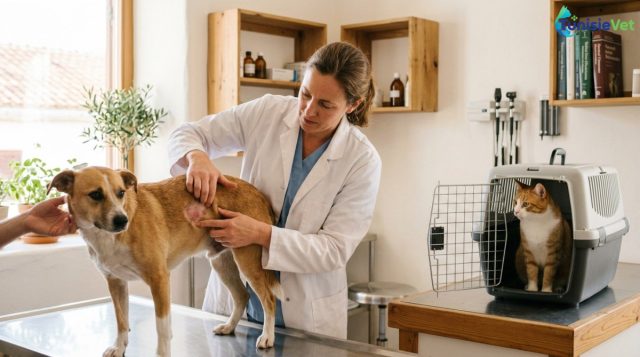
Itching, dull fur, redness and scabbing: dog and cat dermatology becomes increasingly important in warm climates, where heat and humidity create ideal conditions for skin irritation and microbial overgrowth. This guide helps pet owners and breeders recognize warning signs, understand the main causes, and take the right steps before a veterinary consultation.
The TunisieVet app to care for your pet
Vets, adoption and products






1. Why Heat Weakens a Dog's and Cat's Skin
Heat disrupts the skin's natural balance. Perspiration through paw pads, increased licking and ambient humidity create a breeding ground for irritation and microbial proliferation. Skin folds, poorly ventilated zones like armpits or ears, and dense undercoats trap moisture longer.
In long-haired or double-coated breeds, neglected undercoat traps heat and prevents the skin from breathing. In cats, intense grooming during hot periods can also irritate an already fragile epidermis.
Aggravating factors to watch for
- Persistent humidity after bathing or rain
- Lack of regular brushing, especially during shedding season
- Prolonged contact with grass, sand or hot surfaces
- Obesity, which multiplies skin folds prone to maceration
2. Dog Itching: Common Causes and Warning Signs
Itching in dogs is one of the most common reasons for dermatology consultations. It can stem from several sources that need to be distinguished to adjust treatment accordingly.
- Allergies: food, environmental (pollen, dust mites) or contact allergies often cause localized redness and intense scratching.
- External parasites: fleas, ticks or mange-causing agents trigger severe itching, sometimes with patchy hair loss.
- Heat-related irritations: friction, excessive sweating on paw pads, skin overheating in skin folds.
- Secondary infections: damaged skin from scratching easily becomes infected, worsening discomfort.
A dog that repeatedly licks or bites itself, shakes its head frequently, or has warm red areas to the touch should be monitored closely.
3. Mange in Dogs in Tunisia: Recognizing the Symptoms
Dog mange remains a common concern in Tunisia, especially in stray animals or those in contact with poorly monitored dogs. This parasitic condition manifests through:
- Intense itching, often worse at night
- Localized hair loss, particularly on ears, elbows and belly
- Thickened and dry skin with crust formation
- Lesions that spread progressively if untreated
Mange is contagious between dogs and, depending on the type, can sometimes cause temporary irritation in humans with direct contact. Any suspicion requires prompt veterinary diagnosis, as only skin examination allows confirmation of the parasite type and appropriate treatment.
4. Fungal Infection in Cats: Identifying Ringworm and Mycoses
The most common cat fungal infection is ringworm, a condition caused by a fungus that thrives in warm, humid environments. It particularly affects kittens, elderly cats or immunocompromised animals.
Tell-tale signs
- Circular hairless patches, often on the head, ears or paws
- Scaly skin, sometimes slightly reddened
- Brittle hair around affected areas
- Itching varies by case, sometimes absent
Ringworm is transmissible to other animals and, in some cases, to humans. It's recommended to isolate the suspect animal, avoid close contact with other household cats or dogs, and consult quickly to confirm diagnosis.
5. Heat-Related Skin Irritations: Steps to Take Before Consulting
When facing skin irritation in your pet during hot weather, certain simple steps can ease discomfort while waiting for veterinary advice.
- Gently clean the irritated area with a suitable mild solution, without rubbing
- Thoroughly dry the coat after each bath or swim
- Brush regularly to remove dead undercoat and allow skin to breathe
- Avoid walks during the hottest hours to limit paw pad sweating
- Prevent the animal from excessively licking the affected area, which can worsen the lesion
These measures never replace dermatological treatment prescribed by a professional, especially if lesions persist beyond a few days or spread.
6. Symptom Comparison Table: Likely Causes and Urgency Level
| Symptom Observed | Likely Cause | Urgency Level |
|---|---|---|
| Localized scratching without hair loss | Heat-related irritation or mild allergy | Moderate, monitor for a few days |
| Circular hairless patches | Fungal infection (ringworm) | High, isolation and prompt consultation |
| Intense nighttime itching with crusts | Mange | High, urgent consultation needed |
| Redness between paw pads | Maceration or excessive sweating | Low to moderate depending on progression |
| Weeping and foul-smelling lesions | Secondary bacterial infection | High, veterinary treatment necessary |
7. When to Consult a Veterinarian Immediately
Certain signs demand prompt attention. Rapid consultation is necessary if your pet shows extensive hair loss, weeping lesions, strong odor, lethargy or loss of appetite associated with skin issues. Animal dermatological treatment depends entirely on the identified cause: antiparasitic for mange, antifungal for ringworm, or specific management for allergies. An accurate diagnosis prevents inappropriate treatments that delay healing. For reliable guidance, consult veterinarians specializing in dogs or veterinarians specializing in cats with dermatology experience.
Summary
- Heat and humidity promote irritation, fungi and parasitic overgrowth
- Persistent itching, crusts or patchy hair loss are warning signs
- Mange and ringworm are contagious: isolation and quick consultation are essential
- Regular brushing, drying after bathing and monitoring skin folds limit irritation
- Only a veterinarian can make an accurate diagnosis and prescribe appropriate treatment
Frequently Asked Questions
How can I tell if my dog has an allergy or mange?
Allergies typically cause diffuse redness and scratching that varies by season, while mange triggers intense itching, especially at night, with localized crusts. Only veterinary examination with skin sampling can distinguish between these two causes with certainty.
Are heat-related skin problems contagious between animals?
Simple heat-related irritations are not contagious, unlike mange and ringworm which spread easily between animals in close contact. When in doubt about fungal or parasitic infection, it's best to isolate the affected animal.
How often should you brush a dog or cat in summer?
Regular brushing, more frequent during shedding season, helps remove dead undercoat and limit skin maceration. The ideal frequency depends on coat type, with long or dense coats requiring more attention than short coats.
Dog and cat dermatology in warm climates requires daily vigilance but relies on simple practices: regular skin observation, appropriate hygiene and quick action at the first signs. When doubt persists, a veterinary consultation remains the best way to quickly relieve your animal and prevent lesion complications.
Need a professional opinion? If in doubt or in an emergency, find a veterinarian near you on TunisieVet.
Leave a comment
Be the first to comment on this article.
