
Dog and Cat Diarrhea: Causes, First Aid and Warning Signs

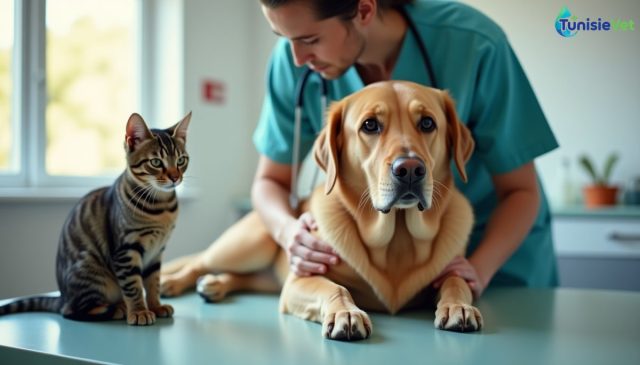
Diarrhea in dogs or cats is most often temporary: in a healthy adult, food is withheld for a few hours, small amounts of water are offered, then a light diet is gradually reintroduced. However, some signs require a prompt veterinary visit. This article explains the causes, the right first steps, the mistakes to avoid, and the specific challenges of the Tunisian heat.
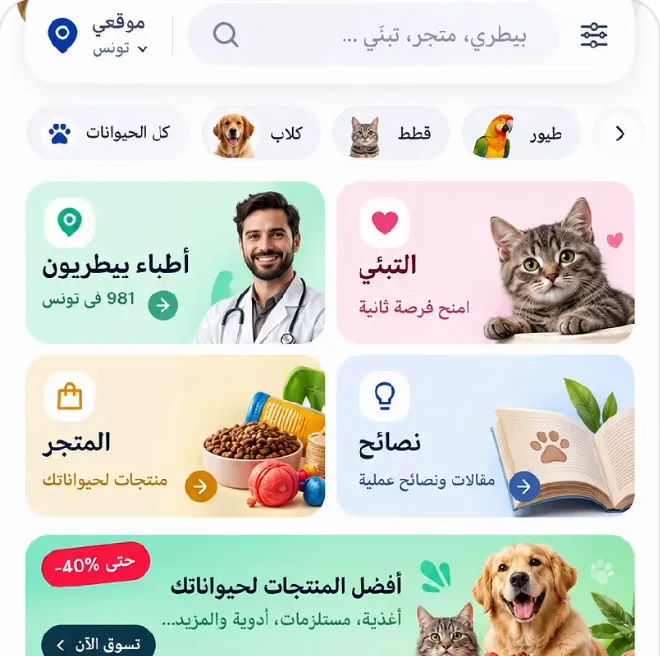
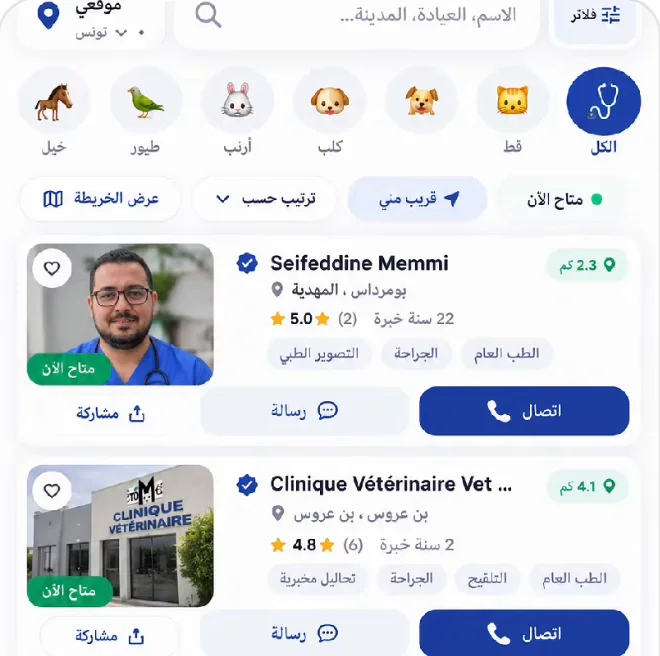
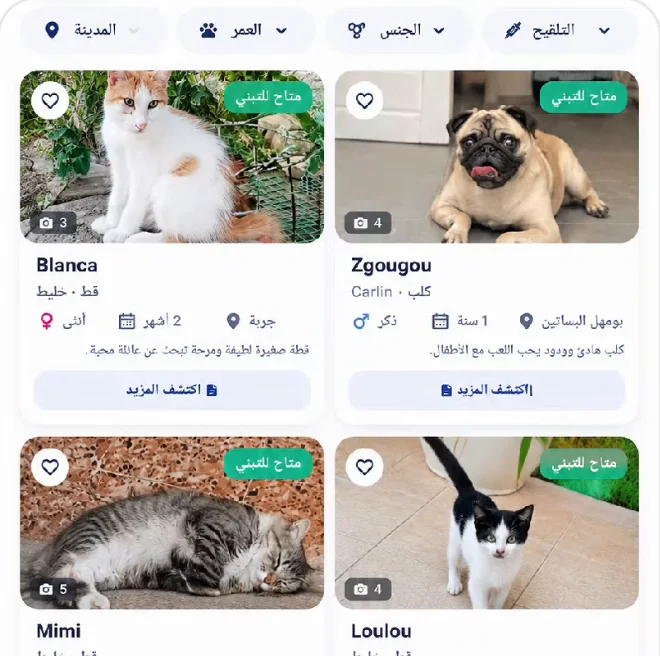
The TunisieVet app to care for your pet
Vets, adoption and products

1. The Main Causes of Diarrhea in Dogs and Cats
Diet and Sudden Food Changes
A abrupt switch of kibble, table scraps, fatty or spoiled food are very common causes. A dog that rummages through bins or swallows garbage is especially at risk. Cow's milk is also poorly digested by many adults.
Intestinal Parasites
Roundworms, tapeworms and microscopic parasites such as Giardia or coccidia cause loose stools, sometimes with mucus. Puppies and kittens are the most affected. Outdoor cats and farm or hunting dogs are more exposed.
Viral and Bacterial Infections
Some viruses, notably parvovirus in unvaccinated puppies, cause severe gastroenteritis. Bacteria present in poorly stored meat or contaminated water can also be responsible.
Other Causes
- Stress (moving house, boarding, the arrival of another animal).
- Ingestion of a foreign object or a toxic plant.
- Certain medications, or chronic diseases of the intestines, liver or kidneys.
2. Warning Signs: When to See a Vet Without Delay
The following table helps you assess how urgent the situation is.
| Observation | Level | Action |
|---|---|---|
| Soft stools, animal alert, eating and drinking | Low | Monitor, light diet |
| Diarrhea lasting more than two days | Medium | See a vet |
| Red blood or black, very foul-smelling stools | High | See a vet promptly |
| Repeated vomiting, lethargy, fever, pale gums | Urgent | Veterinary emergency |
| Puppy, kitten, or elderly or frail animal affected | Urgent | See a vet the same day |
Skin that stays tented when pinched, a dry mouth or sunken eyes indicate dehydration. In a kitten or puppy, it can set in within a few hours.
3. What to Do If Your Dog Has Diarrhea: First-Line Steps
- Observe: frequency, colour, consistency, and the presence of blood or mucus. Noting these details helps your vet.
- Keep your pet hydrated: fresh, clean water should always be available, offered in small, frequent amounts. A rehydration solution sold at a veterinary pharmacy may help, on the advice of a professional.
- Short fasting: only a few hours, and only for a healthy adult. Never for a puppy, a kitten or a frail animal. Never withhold water.
- Gradual reintroduction: small meals, several times a day, of an easily digestible food.
- Isolate the animal from other animals if a contagious cause is possible, and clean up faeces immediately.
A cat that stops eating altogether should not go without food for long: this is a reason for prompt veterinary consultation.
4. Transition Diet After Diarrhea
For a few days, offer light, low-fat meals: well-cooked rice with a little boiled chicken, without skin or seasoning, or a digestive therapeutic diet prescribed by your vet. For cats, favour cooked lean meat, as they are obligate carnivores.
Then gradually reintroduce the usual kibble by mixing it into the light ration over several days. A diet change should always be progressive, slowly increasing the proportion of the new food.
5. Mistakes to Avoid
- Giving a human medication (anti-diarrheal, anti-inflammatory, paracetamol): some are toxic to animals.
- Administering a dewormer or antibiotic at random, without advice.
- Fasting a puppy or a kitten.
- Giving milk, bones, or fatty or spicy leftovers.
- Waiting too long when there is blood, vomiting or marked lethargy.
- Neglecting regular vaccination and deworming.
6. The Hot Climate in Tunisia
In summer, heat speeds up food spoilage: a bowl of wet food left outside becomes contaminated quickly. Remove leftovers after each meal, wash bowls every day, and store kibble in a dry, cool place.
Heat also worsens dehydration. Keep the animal in the shade, in a cool place, with clean water that is changed often. Avoid stagnant water, puddles and rubbish dumps during walks. Breeders of dogs or cats should clean enclosures carefully and separate sick animals.
For tailored advice, you can find a dog veterinarian in Tunisia or browse the directory for your cat.
In Summary
- Observe the stools and the general condition, and keep notes.
- Always keep fresh water available, even during fasting.
- Never fast a puppy, a kitten or a frail animal.
- Resume a light diet, then gradually return to the usual food.
- Consult quickly if there is blood, vomiting, fever, or if diarrhea lasts more than two days.
Frequently Asked Questions
How long can diarrhea last in a dog?
Mild diarrhea improves within one to two days on a light diet. Beyond that, or if the animal's general condition deteriorates, consult a veterinarian.
Can I give rice to a cat with diarrhea?
Yes, a little well-cooked rice can accompany boiled lean meat. Cats remain carnivores, so meat should make up most of the meal, and veterinary advice is preferable if the cat is eating very little.
Is diarrhea in a puppy serious?
It can be, because puppies dehydrate quickly and may have a viral disease. Consult a vet the same day, especially if the puppy is not vaccinated.
In conclusion, when faced with diarrhea in a dog or cat, stay attentive, keep your pet hydrated and adapt the diet. If in doubt, a veterinary consultation is always the best course of action.
Need a professional opinion? If in doubt or in an emergency, find a veterinarian near you on TunisieVet.
Leave a comment
Be the first to comment on this article.
