
Striped Hyena in Tunisia: A Rescue That Raises Questions on Rehabilitation

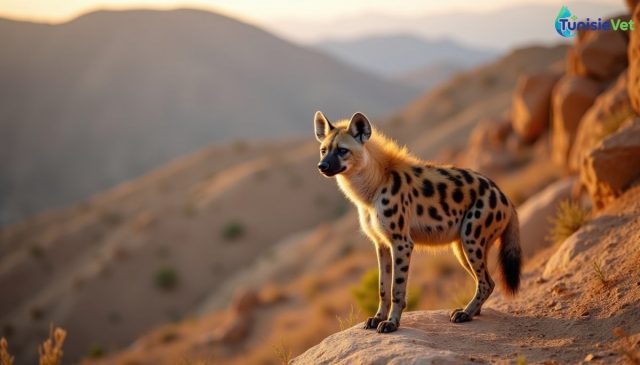
What does the death of a striped hyena tell us about wildlife rescue operations in Tunisia? This case illustrates how fragile wildlife rescue efforts become when not followed by rigorous animal rehabilitation. After being attacked by residents in Kasserine, rescued by authorities, and then released, the hyena died just hours later. This incident raises crucial questions for veterinarians, biologists, and wildlife advocates alike.
1. The facts: from rescue to the striped hyena's death
The animal had been spotted near a residential area in Kasserine, where several residents complained that it had approached their homes. When pursued, the striped hyena was beaten with sticks and stoned, according to reports. Forest agents and members of the National Guard intervened on Thursday to rescue the injured animal.
Following this intervention, the hyena was released into its natural habitat at Mount Tyoucha, in the El Ayoun delegation. It died just a few hours after being set free. Tarek Dekhlaoui, president of Kasserine's Regional Hunting and Hunters Association, confirmed the animal's death.
2. Why this death raises questions about animal rehabilitation methods
The extremely short timeframe between the hyena's release and its death raises a central question: can an injured animal that has been physically attacked be released without a thorough preliminary veterinary evaluation? In standard wildlife rescue operations, several steps are normally required before any return to the wild.
- A complete clinical examination to detect internal injuries, which are not always visible to the naked eye.
- An observation period to ensure the animal is eating, moving, and responding normally.
- An assessment of the stress endured, which alone can worsen the overall condition of a wild animal.
- Selection of an appropriate release site, far from any new source of human danger.
Without these safeguards, releasing an already weakened animal can hasten its death.
Hidden injuries following an attack
An animal beaten with sticks and stoned may suffer serious internal injuries: hemorrhaging, non-visible fractures, head trauma, or organ damage. These wounds are not always revealed during a quick field examination, complicating the decision of whether or not to release the animal.
3. The striped hyena: a protected and endangered species in Tunisia
The striped hyena is found notably in the mountainous regions of western Tunisia. It is considered a protected wildlife species threatened with extinction. Each individual lost therefore represents a significant conservation issue for local populations of this species.
The table below summarizes the main issues raised by this case, useful for understanding the challenges of rescuing wild carnivore species.
| Issue | What happened in this case | Recommended best practice |
|---|---|---|
| Human-wildlife conflict | Animal attacked by residents | Educate local communities on cohabitation |
| Medical care | Quick intervention by forest agents and National Guard | Thorough veterinary examination before any release |
| Release decision | Release just hours after rescue | Observation period before return to the wild |
| Species conservation | Death of an individual of a threatened species | Dedicated protocols for protected species |
4. The specific challenges of rescuing wild carnivores
Rehabilitating a wild carnivore like the striped hyena differs profoundly from caring for a domestic animal. These species tolerate human handling poorly, which increases stress levels during any intervention.
- Capture stress can trigger severe physiological reactions, sometimes fatal, even without visible injury.
- The absence of specialized structures in rural areas complicates access to veterinary care adapted to wild animals.
- Lack of coordination among various stakeholders (residents, forest agents, law enforcement, veterinarians) can delay optimal care.
- Cohabitation between wildlife and populated areas remains a recurring source of conflict, particularly in mountainous regions.
Given these challenges, consulting a professional is essential whenever any animal—wild or domestic—is found injured. For any situation involving an animal requiring care, you can consult the directory of veterinarians in Tunisia to locate a qualified professional nearby.
5. How to respond if you encounter an injured wild animal
This case serves as a reminder of useful principles for anyone confronted with a wild animal in distress, whether a hyena, fox, or any other carnivorous mammal.
- Never approach an injured wild animal directly, even if it appears weakened.
- Immediately contact the competent authorities: forest agents, National Guard, or wildlife protection services.
- Avoid any acts of violence or pursuit, which worsen the animal's stress and injuries.
- Leave evaluation and release decisions to professionals trained in wildlife management.
Summary
- A striped hyena rescued in Kasserine died just hours after being released at Mount Tyoucha.
- The animal had been beaten with sticks and stoned before rescue by forest agents and the National Guard.
- The striped hyena is a protected and endangered species, making each loss significant for its conservation.
- A quick release without prolonged observation can conceal serious internal injuries.
- Educating local populations remains key to reducing conflicts with wild fauna.
Frequently asked questions
Why is the striped hyena a protected species in Tunisia?
It is considered a threatened wildlife species on the brink of extinction, found notably in the mountainous regions of western Tunisia. Its limited population makes every individual crucial for the survival of the species.
What should I do if I encounter a striped hyena near a populated area?
Avoid any direct contact or pursuit and quickly alert forest agents or the National Guard. These authorities have the expertise to intervene safely for both the animal and residents.
Why can a rescued wild animal die after being released?
Internal injuries not detected during the initial examination, intense stress, or premature release can cause rapid death following liberation. This is why an observation period is generally recommended before returning an animal to the wild.
Sources
Leave a comment
Be the first to comment on this article.

TunisieVet in your pocket 📱🐾 Access your veterinary services wherever you are. [ Download the app ]
Learn more