
Animal Identification: The Complete Guide to Getting Started

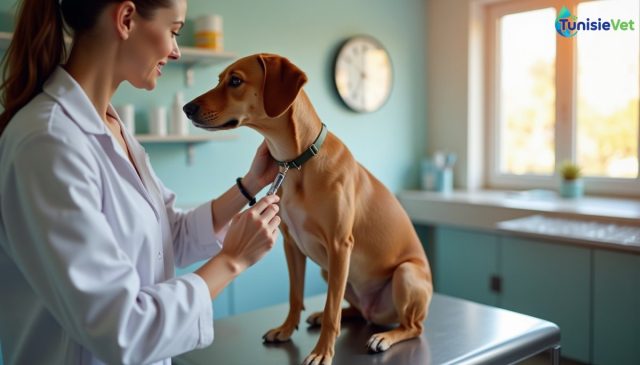
Animal identification is the process of assigning a unique and permanent marker that allows you to recognize an animal and link it to its owner. Whether you own a dog, cat, or livestock, this approach makes recovery easier in case of loss, protects against theft, and simplifies veterinary follow-up. This practical guide explains existing methods, common mistakes to avoid, and best practices for getting started.
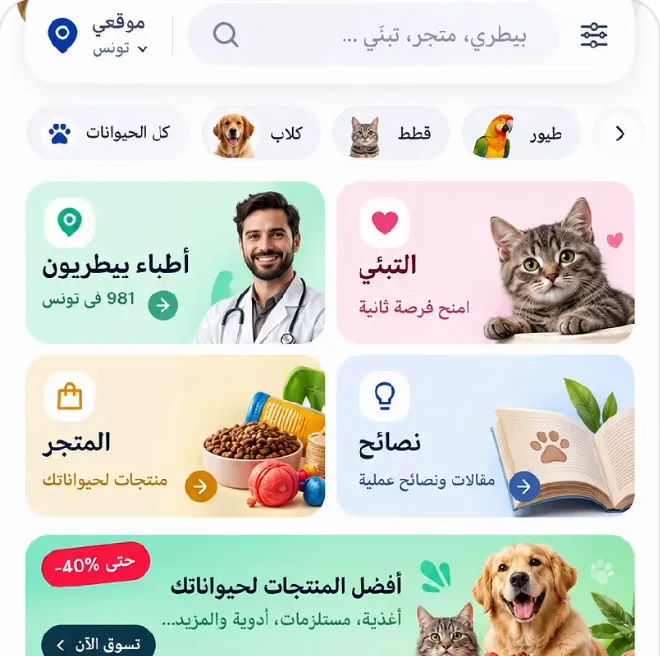
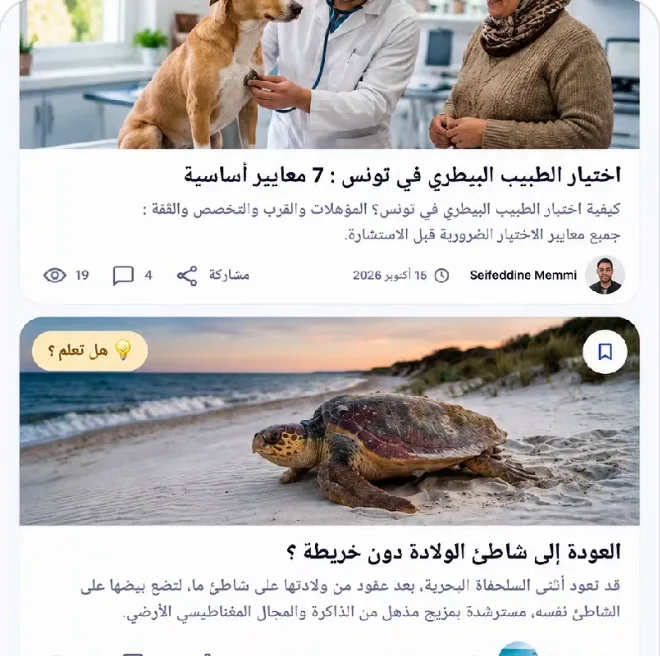
The TunisieVet app to care for your pet
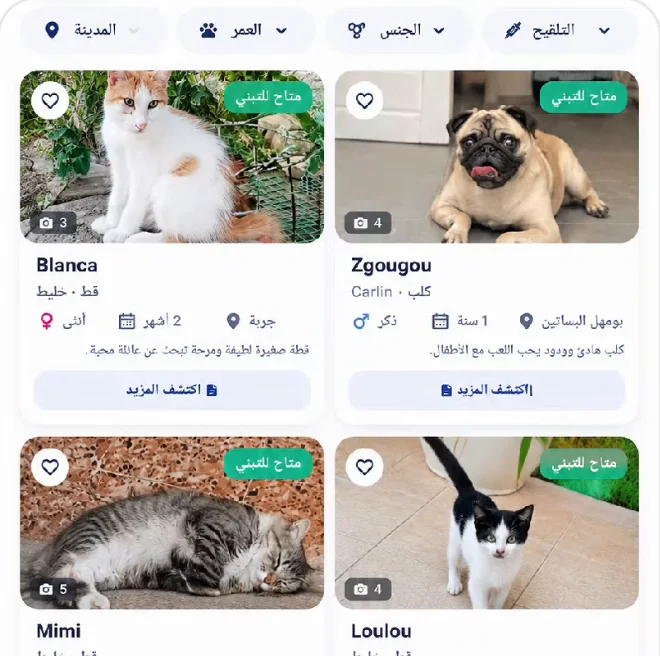
Vets, adoption and products

1. Why is animal identification essential?
An identified animal can be quickly matched to its owner through a unique number registered in a file or database. Without this marker, a lost or stray animal remains difficult to claim, even if it wears a collar with an engraved name, since collars can be lost or removed.
- Quickly recover a lost or stolen animal.
- Prove ownership in case of dispute or sale.
- Simplify procedures during travel or relocation.
- Enable consistent health monitoring throughout the animal's life.
2. The main identification methods
Microchipping
This involves a small transponder inserted under the skin, typically around the neck, using a specialized syringe. Each chip carries a unique number readable with an appropriate scanner. This method is durable, virtually painless, and requires no special maintenance once implanted.
Tattooing
An older technique, tattooing involves marking the skin—often inside the ear or on the flank—with a number or code. Tattoos can fade over time and become difficult to read, making this solution less reliable than microchipping today.
Ear tag
Used primarily in livestock such as cattle, sheep, and goats, the ear tag is fixed to the ear and displays a visible number. This allows quick identification without specialized reading equipment, but the tag can be accidentally torn off.
Collar with ID tag
Simple and affordable, an engraved collar remains a useful complement but should never replace permanent identification, as it can be lost, broken, or removed.
| Method | Durability | Common use | Main limitation |
|---|---|---|---|
| Microchip | Permanent | Dogs, cats, horses, ferrets | Requires a scanner to be read |
| Tattoo | Semi-permanent | Dogs, cats, rabbits | Can fade with age |
| Ear tag | Durable | Cattle, sheep, goats | Risk of tearing off |
| Collar with ID tag | Temporary | Dogs, cats | Can be easily lost |
3. How is identification applied?
Microchipping or tattooing should be performed by a trained professional, most often a veterinarian. Here are the general steps to expect before your appointment:
- A quick examination of the animal to check its general condition.
- Insertion of the microchip under the skin or application of the tattoo depending on the chosen method.
- Registration of the identification number with the owner's contact details.
- Provision of a document or card certifying the identification.
For livestock, ear tag placement may be performed by the farmer or technician, depending on local practices and the type of animal.
4. Common mistakes to avoid
- Failing to update your contact information: an address change or new phone number not reported renders identification useless in case of loss.
- Relying solely on a collar: a collar can fall off or be removed—it never replaces a microchip or tattoo.
- Waiting too long before identifying a young animal: the sooner identification is done, the easier it becomes to integrate into regular health monitoring.
- Neglecting periodic checks: it's useful to occasionally have a veterinarian verify that the microchip is still functioning and properly positioned.
- Confusing identification with vaccination: these are two separate procedures, often performed on the same day but serving different purposes.
5. Best practices for effective follow-up
Beyond the initial implantation, a few simple habits ensure identification remains effective over time:
- Keep the identification document or card provided at the time of implantation in a safe place.
- Promptly report any change of owner, address, or contact information.
- Link identification with an updated health record for comprehensive monitoring.
- Verify the readability of a tattoo or proper functioning of a microchip during routine veterinary visits.
- Consult a professional before any travel requiring proof of identification.
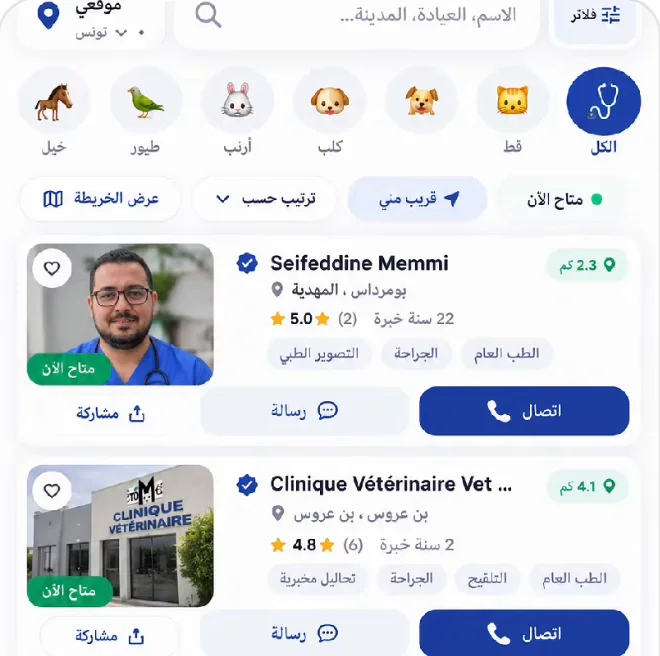
For any questions about the method most suited to your animal, it is recommended to consult the veterinarian directory to find a qualified professional near you.
Summary
- Identification creates a lasting link between an animal and its owner.
- Microchipping is now the most reliable method for companion animals.
- Ear tags remain the standard for livestock.
- An engraved collar is a useful complement, never a standalone solution.
- Keeping your contact information updated is as important as the initial identification.
Frequently asked questions
At what age can an animal be microchipped?
Most young animals can be identified once they reach sufficient size and weight, which varies by species. A veterinarian can advise you on the best timing during a routine consultation.
Is identification painful for the animal?
Microchip insertion causes a brief sensation, similar to a standard injection. Most animals show minimal reaction and return to normal behavior immediately.
How can I tell if my animal already has a microchip?
A veterinarian can check for the presence of a microchip using a specialized scanner during a simple consultation. If no microchip is detected, the skin or ears can be examined for any existing tattoo.
Establishing reliable identification remains one of the simplest and most useful steps to protect an animal throughout its life. Do not hesitate to consult a professional to choose the most appropriate method and benefit from personalized veterinary advice.
🎬 Watch the video
Leave a comment
Be the first to comment on this article.
