
Importing Animals into Tunisia: Essential Documents and Procedures

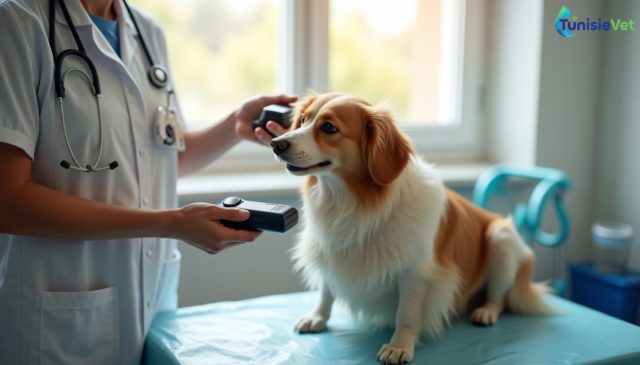
Bringing an animal into Tunisia requires meticulous administrative preparation: health certificate, proof of origin, up-to-date vaccinations, and sometimes quarantine. Without these documents, your animal may be held at the port or airport, or even turned away. This comprehensive guide covers every step, timeline expectations, and the mistakes that most commonly complicate successful importation.
1. Understanding Tunisia's Animal Import Regulations
Tunisia's animal importation regulations are designed primarily to protect public health and the national livestock from contagious diseases. Every animal entering Tunisian territory undergoes a border veterinary inspection, whether it's a pet accompanying its owner or livestock destined for breeding.
Requirements vary based on the animal's species, country of origin, and that country's health status. It's therefore essential to research well before your travel date by contacting the competent veterinary authorities and, if possible, a professional experienced in such procedures.
Who needs to follow these rules?
- Individuals relocating their pets when moving to Tunisia.
- Travelers wishing to bring a puppy, kitten, or other animal purchased abroad.
- Breeders importing breeding stock to diversify or improve their herd.
- Professionals trading in companion animals or livestock.
2. Required Documents for Animal Importation
A complete import file depends on several documents that must be consistent with each other, written in an accepted language, and issued within specified timeframes.
Health Certificate
The animal health certificate, issued by an official veterinarian in the country of origin, confirms that the animal appears to be in good health and shows no signs of contagious disease at the time of departure. It must typically be issued in the days immediately preceding travel, as its validity period is limited.
Certificate of Origin
This document specifies where the animal comes from, its species, breed, identification details, and sometimes its owner. It allows Tunisian authorities to trace the animal and verify it doesn't come from a zone subject to health restrictions.
Animal Passport
For companion animals like dogs and cats, an animal passport containing identification details (microchip or tattoo), vaccination history, and particularly rabies vaccination is generally required. This passport must be consistent with the health certificate presented upon entry.
Other Frequently Required Documents
- Proof of electronic identification or legible tattoo.
- Current vaccination record, including rabies booster if applicable.
- Serological test results according to species and country of origin.
- Import authorization issued by Tunisian veterinary services, when required before departure.
- Purchase invoice or proof of ownership for animals bought abroad.
3. Administrative Timelines to Plan For
Preparing an import file never happens at the last minute. Some documents, such as vaccination boosters or serological analyses, take several weeks before becoming valid. Others, like the health certificate, must conversely be obtained just before departure.
| Step | Recommended Timeline | Important Consideration |
|---|---|---|
| Identification and initial vaccinations | Several weeks before departure | Respect the interval between injections |
| Serological tests if required | A few weeks before departure | Sample collection must use an approved laboratory |
| Import authorization request | Before booking transport | Verify requirements with competent authorities |
| Health certificate for departure | Just before travel | Limited validity period |
| Inspection upon arrival in Tunisia | On the day of importation | Present complete documentation |
Planning ahead for these timelines avoids emergency situations where your animal is stuck due to missing or invalid documents, or worse, where the health certificate has already expired upon arrival.
4. Veterinary Inspection Points Upon Arrival
When entering Tunisian territory, a veterinary inspection verifies document compliance and the animal's apparent health status. This inspection may involve several steps.
- Document verification: consistency between the passport, health certificate, and animal identification.
- Quick clinical examination to detect any visible signs of disease.
- Electronic identification check using a microchip reader.
- Potential quarantine placement if health concerns remain or if the species regulations require it.
Quarantine for Imported Animals
Quarantine may be required if the country of origin presents a particular health risk, if documentation is incomplete, or if the species involved is systematically subject to it. This isolation period allows observation of the animal before full integration into the territory. It's therefore preferable to check in advance whether the species and country of origin are subject to quarantine requirements.
5. Common Mistakes That Delay or Prevent Importation
Most border delays result from avoidable errors if the file is prepared carefully and well in advance.
- Expired health certificate: issued too early relative to the actual travel date.
- Illegible identification: defective microchip or one not compatible with readers used in Tunisia.
- Incomplete vaccination: missing booster or improper interval between injections.
- Documents in an unaccepted language without attached translation.
- Missing prior authorization when required for the species in question.
- Inconsistent information between the certificate of origin, passport, and animal identification.
- Unawareness of the health status of the country of origin, which may result in unanticipated additional requirements.
Any of these errors can lead to entry denial, extended quarantine, or unexpected additional administrative fees.
6. Practical Tips for Successful Importation
- Begin procedures several weeks, or even months, before your intended travel date.
- Have the animal identified and vaccinated early enough to respect all regulatory timelines.
- Systematically verify consistency among all documents before departure.
- Keep paper and digital copies of your complete file.
- Contact the competent veterinary services in both your departure country and Tunisia to confirm current requirements.
- Build in a safety margin in case transport delays occur that would make a document near expiration.
Once your animal arrives in Tunisia, schedule a visit with a professional for a comprehensive health check and to continue the vaccination follow-up started abroad. You can browse the veterinarian directory in Tunisia to find a practitioner near you.
Summary
- Prepare the health certificate, certificate of origin, and animal passport well before departure.
- Respect vaccination and analysis timelines to avoid expired documents.
- Verify consistency between identification, passport, and certificates.
- Investigate possible quarantine requirements based on species and country of origin.
- Schedule a veterinary consultation as soon as your animal arrives in Tunisia.
Frequently Asked Questions
What documents do I need to import an animal into Tunisia?
You generally need a recent health certificate, a certificate of origin, an animal passport with identification, and an up-to-date vaccination record. Depending on the species and country of origin, an import authorization and additional tests may also be required.
How long before travel should I start preparing animal importation?
It's advisable to begin procedures several weeks, or even months, before departure, particularly to respect vaccination and test timelines. The health certificate, however, must be obtained just before travel due to its limited validity period.
Can an imported animal be quarantined upon arrival in Tunisia?
Yes, quarantine can be imposed if documentation is incomplete, if the country of origin presents a health risk, or if species regulations systematically require it. It's best to verify this point before departure to avoid any surprises.
Leave a comment
Be the first to comment on this article.

TunisieVet in your pocket 📱🐾 Access your veterinary services wherever you are. [ Download the app ]
Learn more