
Cat Kidney Disease: Early Signs and Everyday Care

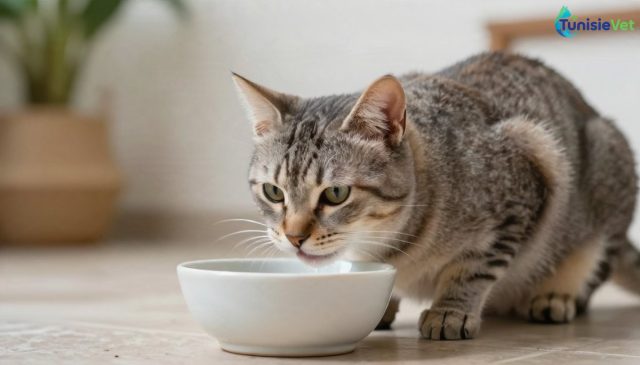
Cat kidney disease: increased thirst, more abundant urine or weight loss can be warning signs, but they are not enough on their own to reach a diagnosis. Chronic kidney disease in cats requires a veterinary assessment and suitable follow-up. This guide helps you notice the first signs, know when to see a vet, and organise water, meals and monitoring, especially during the hot season in Tunisia.
The TunisieVet app to care for your pet
Vets, adoption and products



Cat kidney disease: which signs should you watch for?
The kidneys play a key role in removing waste and maintaining the body's balance. When their function declines gradually, the changes can be subtle. Some cats show no obvious sign at first: a normal appearance does not guarantee that their kidneys are working properly.
Above all, watch for any change from your animal's usual habits. A single sign does not necessarily point to kidney disease, but it is worth reporting to your vet.
| What you notice | What you may see | Recommended response |
|---|---|---|
| Increased thirst and more abundant urine | Bowl emptied faster, damper litter or more frequent trips to the tray | Book an appointment without waiting for other signs to appear |
| Weight loss or reduced appetite | A slimmer silhouette, meals left in the bowl | Contact your vet promptly, especially if the cat stops eating |
| Dull coat or reduced grooming | Less well-kept fur, unusual behaviour | Mention the change during a consultation |
| Straining to urinate or no urine observed | Repeated trips to the litter tray, discomfort, a few drops or none at all | Contact a vet immediately: this may be a urinary emergency |
A cat that drinks more may do so for several reasons. Likewise, vomiting, tiredness or bad breath are not specific to kidney problems. Avoid drawing conclusions from a list of symptoms: how they evolve and the examination of the animal also matter.
If several cats share bowls or litter trays, it is hard to attribute a change to one of them. If possible, set up a quiet space with a separate bowl and litter tray so you can observe the cat concerned without stressing it.
When to see a vet and how to prepare the appointment
Book an appointment if thirst or urination increases, if your cat loses weight or if its behaviour changes. Contact your vet promptly if it eats noticeably less or refuses food. Do not wait for a routine appointment to discuss these signs.
Marked weakness, difficulty breathing, repeated vomiting or straining without producing urine require an immediate call. Describe the symptoms to the clinic and follow its instructions. A urinary blockage is an emergency distinct from chronic kidney disease.
To prepare for the consultation, gather some simple observations:
- When you first noticed the change and how it has developed.
- Changes in thirst, meals, weight and litter use.
- Any vomiting and any drop in activity or grooming.
- The foods, medicines and supplements given, including those given occasionally.
The vet may recommend a clinical examination, blood and urine tests, and other investigations depending on the situation. These results help identify the cause of the signs, assess kidney function and build a follow-up plan. An abnormal result does not always confirm a chronic disease on its own.
If you are looking for a professional, consult the directory of veterinarians for cats. Ask the clinic what information to bring and whether it would like a urine sample. Do not attempt a sample collection if the instructions are not clear.
Keeping your cat hydrated: good habits, especially in hot weather
Fresh, clean water should always be available. Place several containers in quiet, easily accessible spots, away from the litter tray. Change the water regularly and clean the containers. Some cats prefer a wide bowl; others appreciate a clean, well-maintained water fountain.
Observe what suits your companion rather than imposing a setup. If it avoids one container, try a different location or shape. An elderly or less mobile cat must be able to reach the water without having to climb over an obstacle.
To describe excessive thirst accurately to your vet, you can measure the water poured into a bowl, then the amount remaining. Also note the other sources available. This observation remains approximate if water evaporates or spills, or if several animals drink from the same place.
Adapting the home to the heat in Tunisia
During hot periods, set up the cat in a shaded, well-ventilated room with water nearby. Check its containers more often, as they can empty or become unappealing. Avoid leaving it in a car or an enclosed space exposed to the sun.
A suitable wet food can help with water intake. However, ask for advice before changing the meals of a cat under treatment for kidney disease. Never force a cat to drink and do not give it liquid with a syringe without veterinary instructions: it could choke.
A very lethargic cat, one that is breathing with difficulty or seems to be suffering from the heat, should be moved to a cool place and taken to a vet quickly. Call the clinic while you arrange transport and follow its instructions.
Diet and monitoring: supporting the kidneys day to day
Choosing meals with your vet
Once the diagnosis is confirmed, the vet may recommend a diet specially formulated for kidney disease. The choice depends on the cat's condition, its test results and what it is willing to eat. Do not replace its diet yourself with a regimen found online or prepared without guidance.
If a new food is recommended, ask how to make the transition. Introduce it gradually according to the instructions received and monitor the amounts actually eaten. A cat may sort through its bowl or reject a texture even when the presentation seems right.
Serve meals in a quiet place, in a clean bowl. Wet food may be offered if it matches the vet's recommendations and the cat's preferences. Do not leave wet food out too long in the heat; remove leftovers and follow the storage instructions.
If your cat refuses the new food or eats much less, contact the clinic to adjust the plan. Do not leave it without food in the hope that it will eventually accept it. Also avoid treats and supplements not discussed with the vet: they may unbalance the diet or not suit its condition.
Organising check-ups without improvising care
The frequency of visits depends on each cat and how its disease progresses. Ask your vet which checks to schedule, which signs should prompt a call, and how to pass on your observations between appointments.
At home, weigh the cat when possible, using the same scale, and record the results. Also note its appetite, energy and litter habits. These markers help describe a trend, even when variations seem small day to day.
Give only the prescribed treatments, following the clinic's instructions. Do not change a dose or give a medicine intended for humans without veterinary advice. If giving medication is difficult, ask for a suitable solution rather than forcing the animal or stopping the treatment.
Summary
- Watch for changes in thirst, urine, weight, appetite and coat.
- Book an appointment if you notice changes; call immediately if the cat strains to urinate without result or shows marked weakness.
- Keep clean water accessible and offer a cool place during hot periods.
- Choose the diet and treatments with your vet, then record how the cat accepts them and how it is progressing.
Frequently asked questions
Can you recognise kidney disease in cats without a test?
No. The signs may draw attention, but they are not specific, and some cats still appear healthy. A veterinary examination and tests are needed to look for the cause.
How often should a cat with kidney disease be checked?
The vet sets the frequency according to the cat's condition, results and treatment. Contact the vet before the scheduled date if appetite, thirst or behaviour changes.
Can a cat with weak kidneys eat wet food?
Yes, a suitable wet food can be offered if it fits the plan set by the vet. Report any food refusal so a solution can be found without leaving the cat without food.
To support a cat with kidney disease, observations at home complement professional follow-up. If you have any doubt about its condition or its meals, ask your vet for advice.
Need a professional opinion? If in doubt or in an emergency, find a veterinarian near you on TunisieVet.
Leave a comment
Be the first to comment on this article.
