Mastitis in Dairy Cows: Warning Signs and Effective Prevention

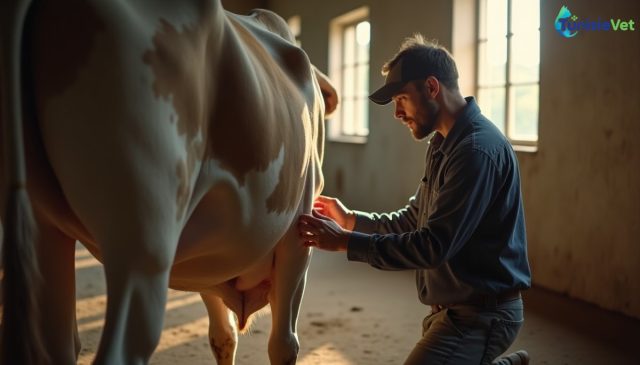
Mastitis in dairy cows is an inflammation of the udder, most often caused by infection, which compromises milk quality and causes animal suffering. When detected early and combined with good milking hygiene, it can be managed effectively. This practical guide explains how to recognize the first signs, adopt the right daily practices, and know when to call a veterinarian.
1. Understanding mastitis and its forms
Mastitis refers to inflammation of the mammary tissue, usually caused by bacteria entering through the teat canal. It can affect a single quarter of the udder or several at once. There are two main forms to distinguish.
Clinical mastitis
It manifests with visible signs: abnormal milk, swollen udder, pain upon palpation. It is easy to spot during milking if the farmer remains vigilant.
Subclinical mastitis
More subtle, it shows no visible signs to the naked eye, but already affects milk quality and udder health. It requires regular checks to be detected.
2. Mastitis signs to detect early
Detecting mastitis signs as soon as they appear helps prevent complications and limit economic losses from reduced milk production.
- Clotted, watery, yellowish milk or milk containing clots
- Udder that is warm, red, swollen, or painful to touch
- Visible decrease in milk production from one or several quarters
- Abnormal cow behavior: limping, refusing milking, or appearing depressed
- Fever, loss of appetite, or general depression in more severe cases
A visual check of the milk before each milking, quarter by quarter, remains the simplest way to spot an abnormality before it worsens.
3. Milking hygiene: best practices
Proper hygienic milking of cattle significantly reduces the risk of udder infection. It relies on a strict and consistent routine.
- Clean and dry the teats thoroughly before each milking with clean, dedicated equipment
- Discard the first few streams of milk into a separate container to check its appearance
- Ensure that milking equipment is properly adjusted and regularly maintained
- Milk calmly, without rushing, to minimize stress on the animal
- Apply a disinfectant post-milking treatment to the teats to seal the teat canal
- Follow a logical milking order, finishing with cows known to be sensitive
The consistency of these practices, day after day, matters more than their technical complexity.
4. Daily prevention in farming
Preventing mastitis on the farm depends on maintaining a clean environment and continuous monitoring of udder health.
- Keep bedding clean, dry, and changed regularly
- Ensure good ventilation in buildings to limit humidity
- Avoid overcrowding in resting areas
- Check teat condition after each milking for lesions, cracks, or irritation
- Adjust feed to support the cow's overall immune function
- Train milking staff on proper techniques and how to detect abnormalities
Summary table: signs and attention level
| Sign observed | Attention level | Recommended action |
|---|---|---|
| Slightly clotted milk, soft udder | Moderate | Close monitoring, isolate milk from this quarter |
| Warm, red, swollen udder | High | Prompt veterinary consultation |
| Fever, depression, refusal to eat | Urgent | Immediate veterinary intervention |
| Normal milk, routine check | Low | Continue usual monitoring |
5. When to consult a veterinarian
Certain signs require prompt intervention rather than simple home monitoring.
- Udder that is very swollen, hard, or painful
- Milk containing blood, pus, or foul odor
- Marked fever or greatly reduced overall condition
- No improvement after several milkings despite routine care
- Frequent recurrence on the same cow or across multiple herd animals
In these situations, it is essential to contact veterinarians specializing in cattle quickly to establish an accurate diagnosis and adapt treatment, in order to limit animal suffering and production losses.
6. Common mistakes to avoid
- Ignoring a subtle sign thinking it will disappear on its own
- Milking an infected cow last without carefully cleaning the equipment
- Neglecting regular maintenance of the milking machine
- Resuming normal milking too soon after a mastitis episode without confirming recovery
- Underestimating the importance of clean bedding in prevention
Summary
- Observe milk and udder at each milking to detect mastitis signs early
- Apply strict and consistent milking hygiene
- Maintain a clean, dry, and well-ventilated environment
- Consult a veterinarian as soon as a severe or persistent sign appears
- Regularly train milking staff on best practices
Frequently asked questions
How can I detect mastitis in a dairy cow?
You should observe milk appearance at each milking and palpate the udder to detect warmth, swelling, or pain. A change in cow behavior, such as refusing to be milked, is also a signal to take seriously.
Can mastitis go away without treatment?
Some mild cases may improve with enhanced hygiene, but it is risky to rely solely on this natural progression. A veterinary opinion is still recommended to prevent worsening or chronicity.
How often should I monitor udder health?
Monitoring should occur at each milking, typically twice daily, by systematically checking milk appearance and udder condition. This frequency allows for rapid detection of any abnormality.
Mastitis in dairy cows remains one of the primary concerns for cattle farmers, but proper milking hygiene and daily monitoring can significantly limit its occurrence. In case of doubt or concerning signs, seeking veterinary support remains the best approach to protect udder health and ensure the sustainability of the farm.
Need a professional opinion? If in doubt or in an emergency, find a veterinarian near you on TunisieVet.
Leave a comment
Be the first to comment on this article.

Be among the first to use our app. Sign up and get early Google Play access.
Discover