
Preventive Veterinary Medicine: The Complete Guide for Beginners

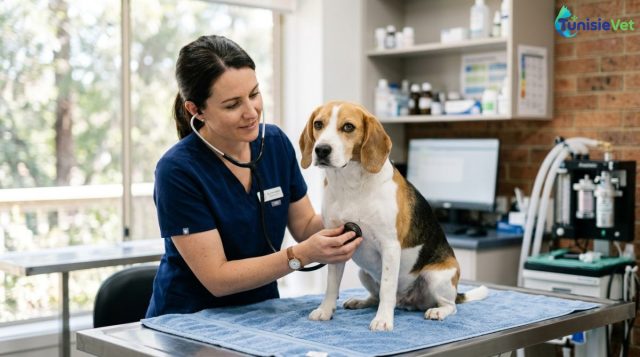
Preventive veterinary medicine protects your animal's health before disease appears, through vaccination, deworming, proper nutrition, and regular veterinary visits. This practical guide details the essential veterinary advice to get started with confidence, common mistakes to avoid, and the right reflexes to adopt—whether you own a pet or manage livestock.
1. Understanding What Preventive Medicine Really Means
Preventive medicine encompasses all actions designed to prevent disease from occurring, rather than treating it once it has developed. It rests on four complementary pillars: vaccination, control of internal and external parasites, balanced nutrition, and regular veterinary monitoring. Unlike curative medicine, it works upstream, when your animal still appears healthy.
This approach applies equally to an indoor cat, a herd of goats, or a backyard chicken coop. The younger the animal, the more the foundations laid early determine its future health.
2. The Essential Pillars to Establish from the Start
Vaccination
The vaccination protocol depends on the species, age, and lifestyle of the animal (indoor, outdoor, contact with other animals). A puppy or kitten receives a primary vaccination in multiple injections, followed by regular boosters in adulthood. For livestock (cattle, sheep, goats, poultry), the vaccination schedule is established by the veterinarian based on local risks and farming practices.
Deworming and External Parasite Control
Intestinal worms and external parasites such as fleas, ticks, or lice weaken the animal and can transmit other diseases. A regular protocol adapted to age and environment minimizes these risks. Animals living outdoors or in group settings require closer vigilance.
Nutrition as a Preventive Tool
A diet suited to the species, age, and activity level prevents many health issues: obesity, nutritional deficiencies, digestive problems. Fresh, clean water must be available at all times, especially during hot weather.
Regular Veterinary Monitoring
An annual check-up, even without obvious symptoms, allows early detection of anomalies (dental, joint, cardiac) before they become problematic and expensive to treat.
3. Tailoring Prevention According to Animal Type
Preventive needs vary greatly depending on whether you own a pet or livestock. The table below summarizes the key priorities to guide your focus.
| Animal Type | Preventive Priorities | Recommended Monitoring Frequency |
|---|---|---|
| Dog / Cat | Vaccinations, deworming, dental checks, neutering if appropriate | At least one annual visit |
| Rabbit / Guinea Pig | Dental monitoring, vaccination based on local risk, bedding hygiene | Annual visit, more if abnormal signs appear |
| Poultry (chickens, turkeys, ducks) | Coop hygiene, deworming, external parasite prevention | Regular flock monitoring, visit if unusual mortality |
| Livestock (cattle, sheep, goat) | Vaccination schedule, collective deworming, quarantine for new animals | Scheduled visits according to production cycle |
4. Common Beginner Mistakes
- Waiting for the first symptoms before consulting, when prevention works precisely by acting before they appear.
- Self-prescribing a dewormer or treatment found online without proper dose evaluation or checking if it's suitable for the species.
- Neglecting quarantine of a newly introduced animal into a herd or household with other animals.
- Underestimating environmental hygiene (bedding, coop, enclosure) which nevertheless promotes parasite and pathogen proliferation.
- Changing diet abruptly, which causes avoidable digestive issues through gradual transition.
5. Daily Habits to Develop
- Observe your animal daily: appetite, behavior, stools, gait.
- Keep a health record with dates of vaccinations and deworming.
- Temporarily isolate any newly acquired animal before mixing with the rest of the group.
- Regularly clean living spaces (bedding, cages, enclosures, coops).
- Schedule preventive check-ups rather than waiting for a problem to consult.
When in doubt about a symptom or to establish a personalized prevention schedule, it's always best to consult a professional. You can browse our veterinarian directory to find a practitioner near you.
6. When Prevention Isn't Enough: Knowing How to React
Even with a rigorous protocol, certain signs warrant immediate attention: prolonged loss of appetite, marked lethargy, persistent diarrhea, breathing difficulty, or sudden lameness. In these cases, prevention gives way to urgent consultation, without waiting for worsening.
Summary
- Preventive medicine rests on vaccination, deworming, nutrition, and regular veterinary monitoring.
- Each animal type has specific priorities to respect based on its lifestyle.
- The most common mistakes stem from improvisation and lack of planning.
- A health record and daily observation make early detection easier.
- A scheduled visit always beats an emergency appointment.
Frequently Asked Questions
How often should I see a veterinarian for preventive care?
An annual visit is generally recommended for a healthy animal, to update vaccines and screen for any abnormalities. Older animals or livestock operations may require closer monitoring.
Does preventive medicine cost more than treating illness?
In the long run, prevention avoids complications that are often more expensive to treat. It represents a regular investment but limits unexpected expenses from advanced disease.
Can I set up a prevention plan on my own without a veterinarian?
Some basic practices (hygiene, nutrition, observation) are accessible to any owner, but vaccination schedules and deworming must be validated by a professional. Each situation depends on the animal's age, species, and environment.
Adopting rigorous preventive medicine means giving your animal the best chances of enjoying good health. These fundamental veterinary principles provide a solid starting point, to be refined with professional guidance based on each individual situation.
Leave a comment
Be the first to comment on this article.
