
First Vet Visit: Your Complete Guide to Getting Started

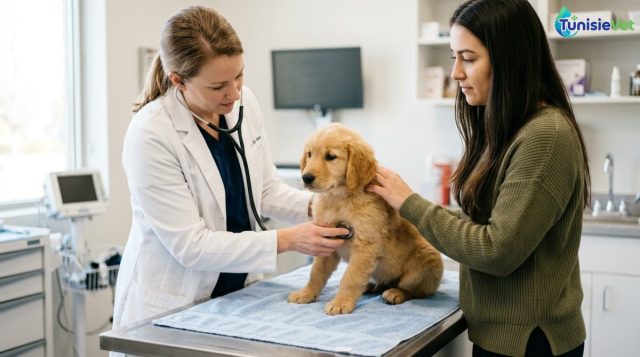
A pet's first veterinary visit marks a crucial milestone in their life, whether they're a puppy, kitten, or livestock animal. With proper preparation, this appointment sets the foundation for sound healthcare management and prevents misunderstandings. This practical guide outlines essential steps, common pitfalls, and best practices to help you approach this important visit with confidence.
1. Why is the first veterinary visit so important?
Your pet's initial appointment goes far beyond routine health checks. It enables your veterinarian to perform a comprehensive health assessment and establish a trusting, long-term relationship with you as a pet owner.
- Assess overall health condition: weight, dentition, coat, eyes, ears, and musculoskeletal system.
- Detect potential congenital or parasitic issues early on.
- Create a personalized vaccination and deworming schedule based on species and age.
- Provide tailored veterinary advice on nutrition and housing.
For livestock farmers, this initial visit also establishes a health protocol for the entire herd or flock, not just individual animals.
2. When should you schedule this first appointment?
The ideal timing depends on the species and how you acquired your animal. Regardless, it's best not to delay after bringing your pet home or to your farm.
| Type of Animal | Recommended Timing | Main Objective |
|---|---|---|
| Puppy or Kitten | Within days of adoption | Health assessment and start of vaccination protocol |
| Adult animal adopted | As soon as possible after arrival | General health status and health records update |
| Newborn livestock (poultry, rabbits, goats) | Early in life, depending on species | Prevention of neonatal diseases |
| Animal showing symptoms | Without delay | Quick diagnosis and treatment |
Waiting too long can delay detection of health problems and complicate treatment.
3. How should you prepare for this visit?
Good preparation makes the veterinarian's job easier and reduces stress for both your pet and yourself.
Documents and information to gather
- The animal's health record or any documents provided by the previous owner, breeder, or shelter.
- Your pet's approximate date of birth, if known.
- Current feeding habits: type of food and feeding frequency.
- Any unusual observations: lethargy, diarrhea, loss of appetite, cough.
Transporting your animal
Use a secure transport carrier for cats, rabbits, and small animals to minimize stress and escape risks. For dogs, a properly fitted leash and collar are usually sufficient. For livestock, appropriate handling equipment for each species prevents injuries during transport.
4. What happens during the clinical examination?
A first consultation typically follows a logical sequence, though each veterinarian adapts their approach based on the animal.
- Discussion with the owner about the animal's medical history and lifestyle.
- Weighing and taking body temperature.
- Heart and respiratory auscultation.
- Abdominal palpation and joint assessment.
- Examination of eyes, ears, mouth, and skin.
- Discussion of a prevention plan: vaccination, deworming, and possible neutering/spaying.
This thorough examination allows your veterinarian to recommend customized care, whether for a companion animal or livestock.
5. What common mistakes should you avoid?
Some well-intentioned habits actually compromise the quality of your first visit.
- Hiding symptoms out of fear of a serious diagnosis: this only delays proper treatment.
- Not fasting your animal before a blood test when specifically instructed to do so.
- Arriving with an unidentified animal when a collar tag or labeled carrier makes follow-up easier.
- Failing to ask questions about nutrition, behavior, or daily care.
- Underestimating your animal's stress by not reassuring them with your voice or appropriate treats.
Open and honest communication with your veterinarian is the best way to receive truly useful advice.
6. What good habits should you establish after the visit?
Your first veterinary visit is just the start of ongoing care. Several habits help you make the most of it.
- Write down upcoming vaccination or booster appointment dates in your calendar.
- Keep all documents safely: health records, prescriptions, and examination results.
- Monitor your animal in the following days for any behavioral changes.
- Gradually adjust diet based on the veterinarian's recommendations.
- Schedule follow-up visits even if no symptoms appear.
To find a qualified professional near you, it's helpful to consult a veterinary directory that lists practitioners by specialty and location.
In summary
- Schedule the first vet visit soon after your animal arrives home.
- Gather available documents and observe your animal before the appointment.
- Be honest and precise about symptoms and living habits.
- Keep all documents provided for consistent health follow-up.
- Plan subsequent visits without waiting for problems to appear.
Frequently asked questions
At what age should I take my puppy or kitten to the vet for the first time?
It's recommended to schedule this visit in the first few weeks of life, shortly after adoption. This allows you to start the vaccination protocol promptly and detect any early health issues.
How long does a first veterinary consultation typically take?
Duration varies depending on the species and animal's health status, but a complete examination generally requires sufficient time to cover the consultation, auscultation, and practical advice. It's best not to rush the appointment.
Can I switch to a different veterinarian if we don't connect well after the first visit?
Absolutely. You can consult another veterinarian if you don't establish a good rapport. Your animal's wellbeing and your comfort in asking questions should be your priority in this decision.
When properly prepared, your pet's first veterinary visit becomes a constructive experience rather than a source of anxiety. By following these straightforward veterinary tips and maintaining clear communication with your veterinarian, every new pet owner or beginning farmer can establish a solid foundation for their animal's long-term health care.
Leave a comment
Be the first to comment on this article.
