
Pet-Proofing Your Home: The Complete Starter Guide

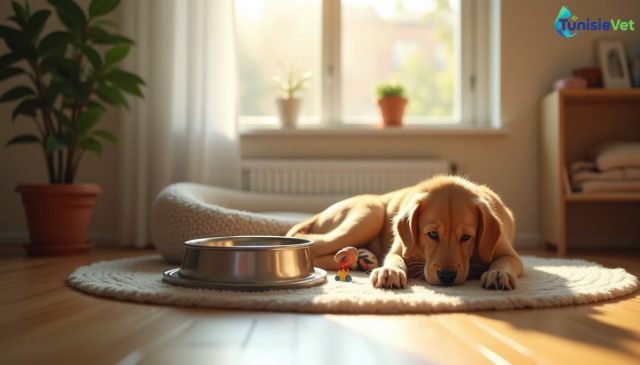
Welcoming a new pet home is a joyful moment, but pet-proofing your home beforehand makes all the difference for its comfort and safety. Whether you're bringing home a puppy, a kitten, a rabbit, or any other companion, a few simple adjustments can help prevent stress, household accidents, and unpleasant surprises. This practical guide covers the essential veterinary advice to turn your home into a welcoming, safe space.
Securing Every Room Before Your Pet Arrives
A new pet explores its environment with curiosity, which exposes it to many household dangers that often go unnoticed by adults. Before the big day, it's a good idea to get down to your pet's level to spot potential hazards.
- Keep electrical cables and household products out of reach.
- Close off or secure balconies, windows, and staircases if needed.
- Check that no toxic plants are within reach, especially for animals that like to chew.
- Block access to small spaces where a pet could get stuck (behind furniture, inside ducts).
- Remove or secure small objects that could be swallowed (batteries, rubber bands, jewelry).
Tailoring Safety Measures to Each Species
A climbing cat doesn't have the same safety needs as a nosy dog or a gnawing rabbit. Protect low furniture for a rabbit, secure high spots for a cat, and keep shoes and chewable items out of reach for a puppy.
Setting Up a Comfortable Living Space
A well-thought-out setup supports your pet's wellbeing and makes it easier to settle into its new home. Every species has its own needs, but some principles apply across the board.
- Set up a clean, quiet bed away from high-traffic areas.
- Place food and water bowls in a stable spot, away from the litter box or cage.
- Provide a retreat space where your pet can feel safe during the first few days.
- For indoor pets, offer enrichment items suited to the species (scratching post, toys, hay, perch).
Getting the Essential Gear Ready in Advance
Before your pet arrives, it's best to already have the basic supplies on hand, so you're not scrambling to shop at the last minute.
- Bowls sized appropriately for your pet's species and size.
- A bed or cage suited to the type of animal.
- A litter box or designated bathroom area that's clean and easily accessible.
- Suitable toys to stimulate physical and mental activity.
- A basic first-aid kit and the contact details of an animal health professional.
Common Mistakes to Avoid When Preparing Your Home
Many first-time pet owners make the same mistakes, usually out of lack of information rather than carelessness.
- Rushing the adjustment period: pets need time to explore their new surroundings at their own pace.
- Underestimating ingestion risks: small objects, plants, and chemicals must always stay out of reach.
- Forgetting fresh water access: it should be available at all times, regardless of the season.
- Changing food too quickly: a gradual transition helps avoid digestive upset.
- Skipping the check-up visit: an initial vet appointment helps confirm your pet's overall health and provides personalized advice.
Getting Off to a Good Start in the First Few Days
Once your home is ready, how you handle the first few days really matters going forward. Watch your pet's behavior closely: appetite, sleep, litter habits, and interactions with the family. Any unusual change deserves attention. This is also the ideal time to schedule a consultation to set up a health plan suited to your companion's age and species. A professional can advise you on vaccinations, deworming, and the right diet. To find a practitioner near you, check out our veterinarian directory available on our site.
How Long Does It Take for a Pet to Adjust to a New Home?
Adjustment time varies depending on the species, age, and temperament of the animal, but it generally takes patience over several days or even weeks. It's important to let your pet set the pace, limit sources of stress, and provide a stable environment to support a smooth transition.
Leave a comment
Be the first to comment on this article.

TunisieVet in your pocket 📱🐾 Access your veterinary services wherever you are. [ Download the app ]
Learn more