Pet Grooming: The Complete Beginner's Guide

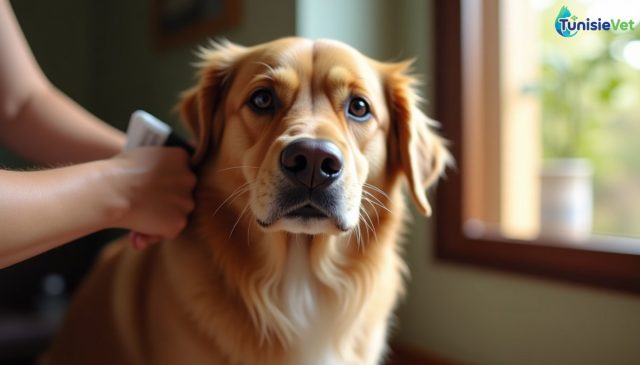
Pet grooming is about far more than looks: it's a cornerstone of your animal's health and wellbeing. Brushing, bathing, nail trimming, ear cleaning… each step, done properly, helps you catch a skin problem, a parasite or a hidden source of pain early on. This practical guide is aimed at all first-time pet owners, whatever animal you have, and brings together essential veterinary advice to help you get started without stressing out your companion.
Why regular grooming matters
Beyond appearances, regular grooming serves several concrete purposes:
- Prevention: spotting knots, wounds, parasites, bumps or abnormal lumps on the skin early.
- Comfort: a clean, tangle-free coat prevents irritation, painful chafing and heat build-up under the fur.
- Hygiene: reducing odours, ear infections and dental issues linked to general neglect of upkeep.
- Bonding: well-conducted grooming sessions strengthen trust between the animal and its owner.
The warm climate found in many regions makes a well-maintained coat even more important: less dead hair, less trapped heat, and a lower risk of skin dermatitis.
The basics of at-home grooming
Brushing
This is the simplest and most frequent step to adopt. It removes dead hair, spreads natural sebum through the coat and prevents tangles from forming. How often you need to brush depends on the coat type: short fur needs less frequent brushing than long or dense fur.
Bathing
Bathing too often can dry out the skin and weaken its natural protective barrier. It's best to wash your pet only when needed, using a shampoo formulated for its species — never a product meant for humans, since the pH won't be suitable.
Claws and paw pads
Overly long claws make walking difficult and can break painfully. Regular, careful, gradual trimming prevents this issue. Paw pads also deserve regular checks to spot cracks, foreign objects or irritation.
Ears and eyes
Gentle ear cleaning, using a suitable product and without overdoing it, helps prevent ear infections. Eyes should be monitored for any unusual discharge or redness.
Common mistakes to avoid
- Using unsuitable products: human shampoo, perfume, or grooming tools not designed for animals.
- Grooming a stressed animal without a break: it's better to split sessions into shorter ones rather than force things, to avoid creating a negative association with grooming.
- Neglecting sensitive areas: under the paws, armpits, and the perineal area, which are nonetheless prone to knots and irritation.
- Cutting nails too short: a rushed trim can hurt the animal and make it wary of future sessions.
- Ignoring warning signs: persistent redness, excessive scratching, localised hair loss or an unusual smell always deserve close attention.
Good habits for successful grooming
- Get your pet used to being handled from a young age (paws, ears, mouth) to make every future session easier.
- Choose tools suited to the species and coat length (brush, comb, species-specific nail clippers).
- Favour a calm environment, free of sudden noises, to keep stress to a minimum.
- Reward your pet after every session to build a positive experience.
- Watch the skin and coat closely during each session: it's often the best time to spot something unusual.
If you notice a lesion, a visible parasite, a lump under the skin or any unusual behaviour during grooming, it's always best to seek advice quickly. You can find a professional near you through our vet directory for reliable, tailored guidance for your pet.
How often should you groom your pet?
There's no one-size-fits-all rule: it depends on the species, coat type and lifestyle of the animal. That said, regular brushing and close observation of the coat and skin are recommended in all cases, so you can stay ahead of problems rather than react to them.
Far from being a mere cosmetic routine, grooming is a genuine, accessible prevention tool. By adopting good habits from the start and staying attentive to your pet's signals, you make a real, everyday contribution to its health and wellbeing.
Leave a comment
Be the first to comment on this article.