
Animal Vaccination: Practical Guide and Key Points

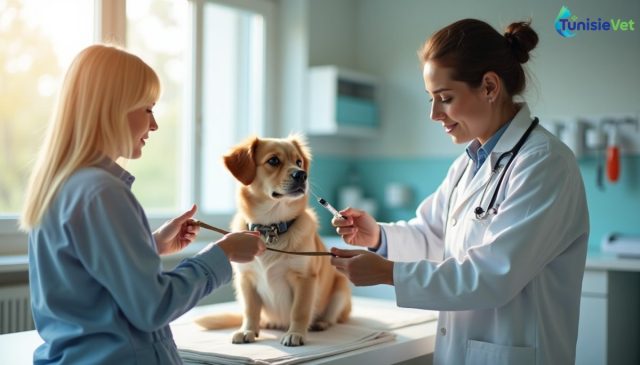
Vaccination stands as one of the cornerstones of preventive medicine, whether for a pet cat, a family dog, or a livestock herd. When properly planned, it shields animals from sometimes serious diseases, limits the spread of pathogens within a population, and prevents costly and demanding treatments. This guide covers the essential points every pet owner and veterinarian should know to approach animal vaccination with confidence and effectiveness.
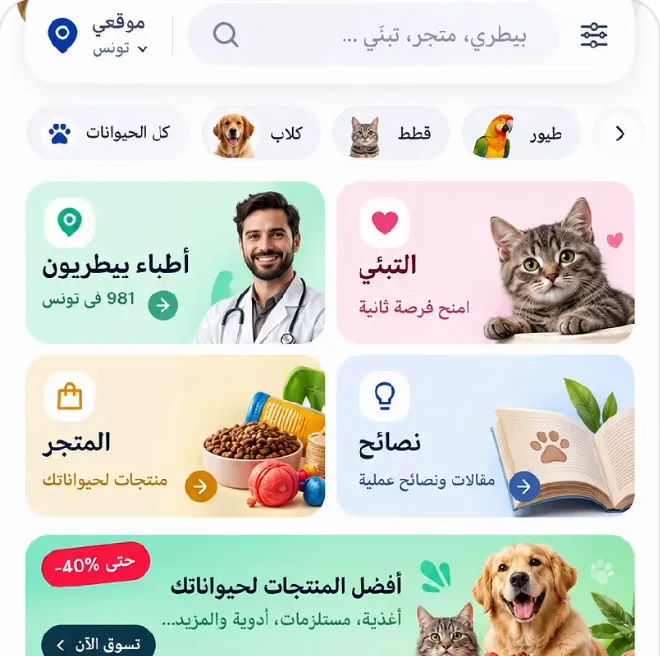
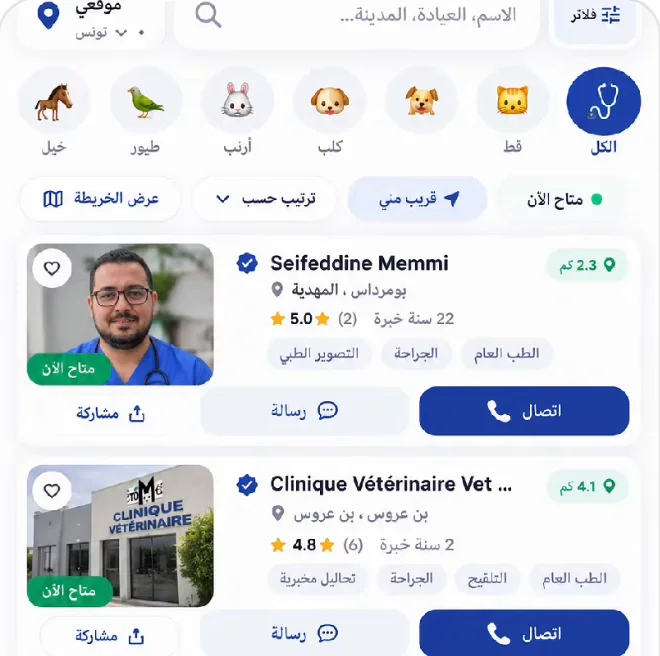
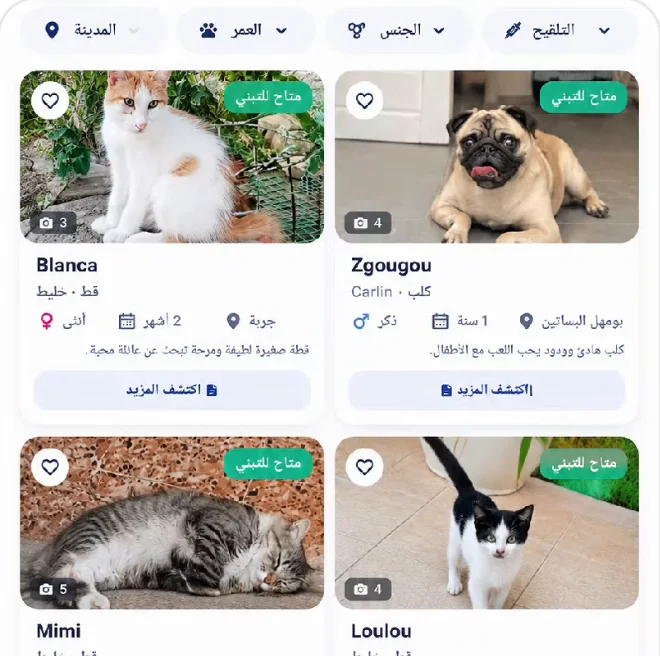
The TunisieVet app to care for your pet
Vets, adoption and products

Why Vaccination Is Essential for Animal Health
Vaccinating an animal means stimulating its immune system to recognize an infectious agent before actual exposure occurs. When the animal encounters the real pathogen, its body responds faster and more effectively, reducing the risk of severe disease, complications, or transmission to other animals.
- It protects the vaccinated individual against potentially fatal or debilitating diseases.
- It helps limit the circulation of certain pathogens within a group or farm.
- It facilitates administrative requirements (travel, boarding, shows) that often demand an up-to-date vaccination record.
- It represents a more cost-effective investment in the long term compared to treating disease.
Establishing a Vaccination Protocol Tailored to Each Animal
There is no universal vaccination protocol: age, species, lifestyle (indoor, outdoor, contact with other animals), overall health status, and sometimes geographic region determine the most appropriate vaccination schedule. This is why a veterinary consultation remains essential before making any decisions.
In Young Animals
Young animals receive temporary protection through colostrum or mother's milk, but this protection gradually diminishes. A primary vaccination series with multiple injections spaced several weeks apart provides protection at the right moment and establishes lasting immunity.
In Adult Animals
Once the primary vaccination series is complete, regular boosters are necessary to maintain adequate protection levels. The exact frequency depends on the vaccine used and should be determined with your veterinarian.
In Livestock
For herds (cattle, sheep, goats, poultry), vaccination is part of a collective biosecurity strategy, combined with other measures such as facility hygiene, management of new arrivals, and regular health monitoring.
Best Practices Before, During, and After Vaccination
Successful vaccination extends beyond the injection itself. A few simple precautions help optimize its effectiveness and minimize discomfort for your animal.
- Ensure the animal appears in good health on vaccination day; a feverish or weakened animal may need to reschedule.
- Inform your veterinarian of any ongoing treatments, known allergies, or previous reactions to vaccines.
- Plan the visit during a calm period without excessive stress.
- Monitor the animal for several hours after injection: slight fatigue or mild local sensitivity is usually normal, but any unusual signs (significant swelling, vomiting, breathing difficulties) should be reported promptly.
- Keep your vaccination record safe and secure—it is essential for follow-up and any future administrative needs.
Common Mistakes to Avoid
Certain recurring errors weaken vaccination effectiveness:
- Delaying or spacing out boosters too widely, believing protection is acquired "for life."
- Vaccinating a sick or severely weakened animal without prior veterinary advice.
- Neglecting vaccination for animals that remain primarily indoors, thinking they have no exposure risk.
- Following a vaccination schedule found online without considering your animal's individual circumstances.
To avoid these pitfalls, the safest approach is to have a personalized vaccination schedule established by a professional. You can consult the directory of veterinarians to find a practitioner near you and plan a vaccination program tailored to your animal, whether it's a cat, dog, or livestock.
Should You Vaccinate an Elderly or Fragile Animal?
Yes, in most cases, but with enhanced monitoring: your veterinarian will typically adapt the protocol based on the animal's overall health status, any existing conditions, and the animal's tolerance. A health assessment before vaccination helps ensure safety and prevents unnecessary risks.
Leave a comment
Be the first to comment on this article.
