
Presentation
The land snail is a terrestrial gastropod mollusc characterised by its spiral shell, into which it can withdraw completely. It moves slowly using a muscular foot that secretes mucus, which aids its progression and prevents dehydration. Active mainly at night or in humid conditions, it takes shelter during the day in cool, protected places. Many species exist worldwide, some edible and farmed for snail culture. In Tunisia and elsewhere, the snail is a familiar garden and wetland animal.
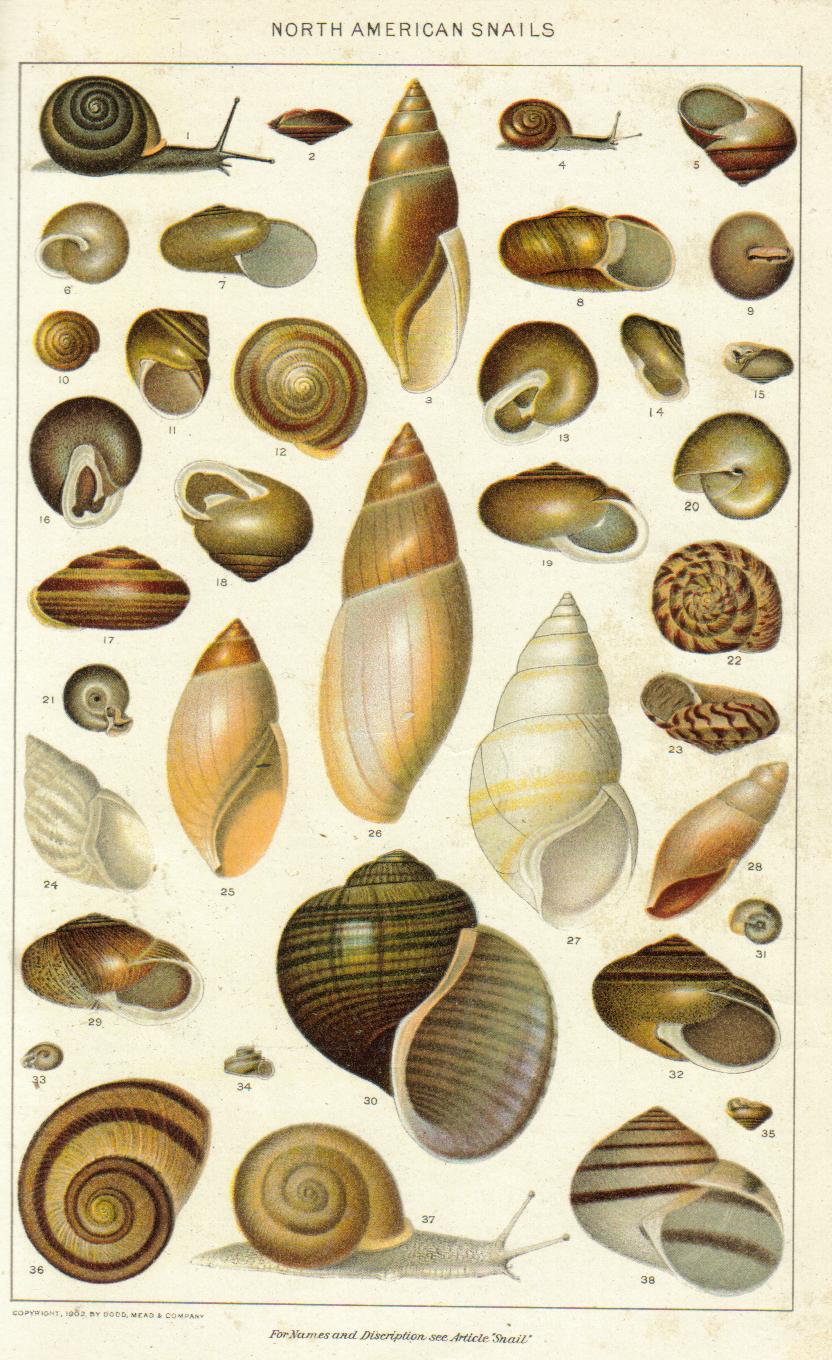
The snail's soft body is protected by a spiral limestone shell that grows with it throughout its life. It has two pairs of retractable tentacles, with the upper pair bearing the eyes. Its skin remains constantly moist thanks to the mucus it continuously produces.
Characteristics
Indicative values: they vary by subspecies, sex and region.
Habitat and distribution
Snails are found in gardens, vegetable plots, meadows, forests and wetlands where ambient humidity is sufficient. They favor shaded spots rich in low vegetation, beneath stones, dead leaves or in hedgerows. They are also commonly encountered in urban settings, in parks and private gardens.
CURRENT RANGE
Terrestrial snails are present on nearly all continents except Antarctica, in temperate and Mediterranean regions. In North Africa and Tunisia, several species are common in cultivated areas and moist natural habitats. Their distribution depends heavily on climate and humidity availability.
Behaviour
The snail is a slow, solitary animal, mainly active at dusk or after rain. During periods of drought or cold, it seals itself inside its shell behind a layer of dried mucus to enter estivation or hibernation. It has a well-developed sense of smell that allows it to locate food despite limited vision.
Reproduction
Most terrestrial snail species are hermaphrodites, with each individual possessing both male and female reproductive organs. During mating, the two partners reciprocally exchange sperm. After fertilization, the snail lays its eggs in a hole dug in moist soil, and the young hatch with a small shell already formed.
Peculiarities
The snail can seal the opening of its shell with a membrane of dried mucus called an epiphragm to protect itself from drying out. Certain species can survive several months in dormancy under unfavorable conditions. Its slime is also used in cosmetics and in some traditional preparations.
Threats and conservation
The use of pesticides and molluscicides in agriculture poses a significant threat to many snail populations. Destruction of natural habitats and prolonged drought also reduce their favorable zones. Some species are over-harvested through collection for human consumption.
Numbers and trends vary across sources and regions. See the IUCN assessment for the latest reference data.
Gallery
1 documented photographs.
References
Profile updated 14 September 2026 · Reviewed by the TunisieVet editorial team.
Comments (0)
No comments yet.
CONSERVATION STATUS
Least concern (LC)
IUCN source, latest published assessment.
Species health
Documented diseases for this species.
This information is provided for educational purposes only and is not a substitute for a veterinary consultation. If you have any concerns about your animal's health, consult a veterinarian.
To discover around: Land Snail
Videos, facts, stories and records linked to this species.
Similar animals
Other species documented in Animalpedia.
