From the graceful flight of birds to the mysteries of the animal kingdom, the Quran continually invites us to behold creation as countless signs of divine power. Let us discover some of these verses that awaken our wonder.
3 min read · Published 1 week ago · 13 views
In the Quran, animals are never presented as mere accessory creatures. They appear repeatedly as "ayat," signs meant to make humans reflect on the greatness and wisdom of their Creator. This invitation to observe the animal world runs through several surahs, offering a vision where contemplation of nature becomes a path toward faith.
The Flight of Birds: A Lesson in Divine Mastery
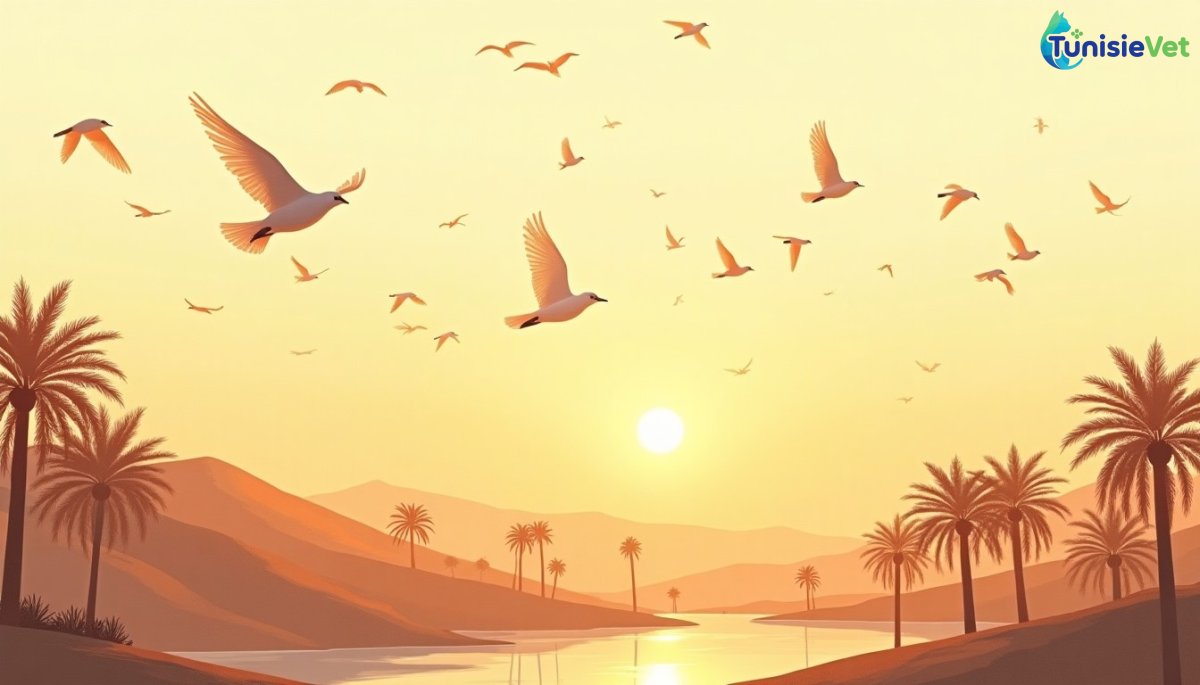
Among the most striking examples is that of birds in the sky, mentioned in Surah Al-Mulk. Allah questions humankind about what holds birds aloft in flight, when nothing seems to support them except His will and His knowledge.
"Have they not observed the birds above them with wings spread and folded in? The Most Merciful alone sustains them. Indeed, He is Seeing of all things."
(Surah Al-Mulk, verse 19)
This verse invites observation of a daily phenomenon, often overlooked, to discern an extraordinary reality within it: no bird could fly without precise balance, subtle aerodynamics, an invisible force carrying it. For believers, this simple observation becomes an open door to contemplation.
The Diversity and Organization of the Animal Kingdom
The Quran also mentions, in Surah Al-An'am, the great diversity of creatures that inhabit the earth, emphasizing that they form, like humans, organized communities. It is reported that this verse has inspired many scholars in their reflection on the respect owed to all forms of life, as animals share with humanity a structured existence willed by Allah.
Other passages, such as in Surah An-Nahl ("The Bee"), remind us how certain animals receive a form of divine inspiration to fulfill their role in nature, as in the example of bees that produce honey according to a perfectly established order. These examples are not mere natural history anecdotes: they illustrate a vision where each creature, however small, participates in a balance willed and watched over by the Creator.
An Invitation to Reflection, Not Merely to Observation
What strikes us in these verses is that they do not merely describe nature: they constantly call for reflection, for "tafakkur." Humans are invited not to remain indifferent to what they see, but to question the origin, purpose, and hidden wisdom behind each natural phenomenon. The animal world thus becomes an open book, a source of teaching accessible to all, whether learned believers or simple lovers of nature.
Reflecting on these Quranic teachings reminds us how much animals deserve our attention, our respect, and our kindness. Since they are presented as signs of divine power, caring for them, observing their behavior with humility, and refraining from causing them harm naturally flow from a path of faith and gratitude toward all creation.