StorySteppeFarmland & grasslandsStories from the hadiths
Horses and the Reward Mentioned in the Hadith
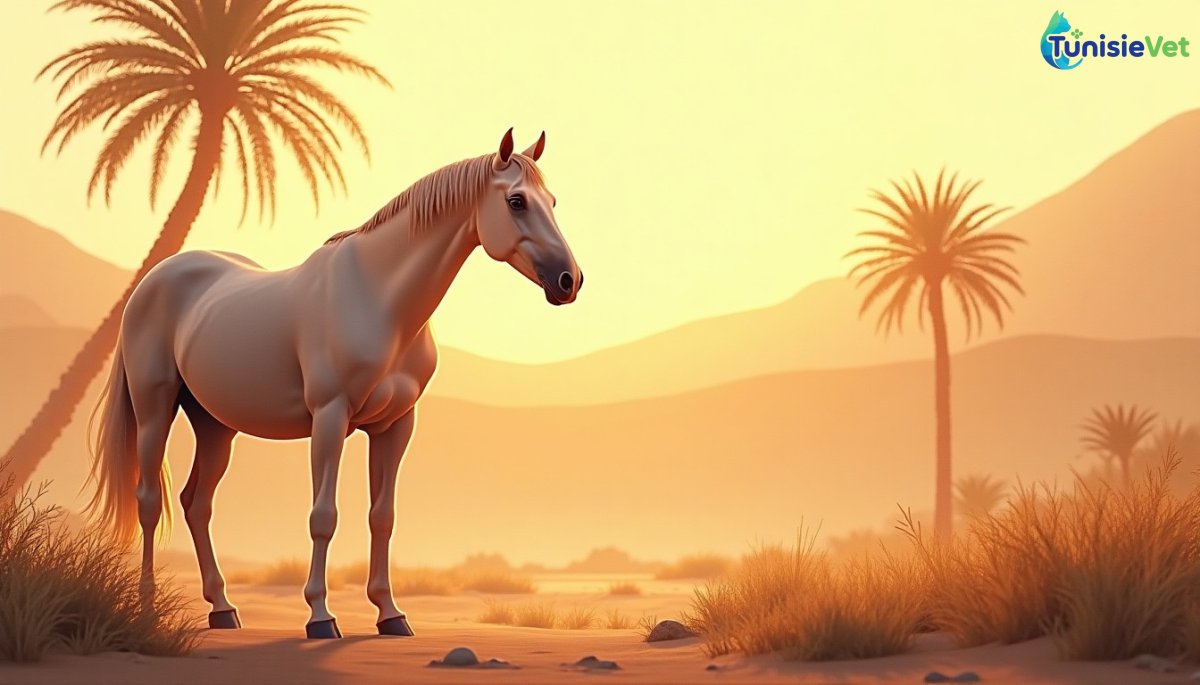
In ancient Arabia, the horse was far more than a mount—it was a companion in war, travel, and labour. The Prophet ﷺ revealed the immense spiritual value attached to these faithful animals.
3 min read · Published 2 weeks ago · 29 views
In ancient Arabia, the horse held a special place among domesticated animals. Used for combat, travel, and transport, it accompanied humans in nearly every circumstance of life. The Prophet Muhammad ﷺ emphasised repeatedly the particular worth of this animal and the reward that could accompany its ownership and care, when these were undertaken with sincere intention.
The Horse as a Source of Blessing
An authentic hadith recorded in Sahih al-Bukhari reports that the Prophet ﷺ said: "The horse is for one person a reward, for another a means of livelihood, and for a third a burden." He then explained that the one for whom the horse is a reward is the man who keeps it in the path of Allah—that is, to defend and serve a just cause. Each blade of grass it eats, each step it takes, each mark it leaves is then counted as a good deed for its owner.
Publicité
Publicité
This hadith sheds light on a dimension often overlooked: kindness to an animal, when accompanied by noble intention, becomes itself an act of worship. Feeding your horse, attending to its health, providing it access to water and pasture—these are not insignificant gestures but acts that may be rewarded by Allah, provided the heart's intention is sincere.
A Responsibility, Not Merely a Privilege
The same hadith also speaks of the one for whom the horse becomes a burden: this is the person who uses the animal out of pride, vanity, or to wrong others unjustly. This warning reminds us that ownership of a noble animal such as a horse is never an absolute right without obligation—it carries moral responsibility. The intention that moves the owner's heart determines whether this animal becomes a source of good or harm for him.
It is also reported, according to several traditions preserved in the hadith collections, that the Prophet ﷺ showed particular care for the horses he owned and encouraged his companions to treat them well, not to overburden them, and to respect their natural needs for rest and food. This solicitude, far from being a minor detail, formed an integral part of his teaching on how to conduct oneself toward God's creatures.
A Teaching Relevant for Today
What stands out in this teaching is the way it connects care for an animal to a spiritual dimension. The horse, in this hadith, becomes a mirror of human intention: according to how it is treated and for what purpose it is used, it can elevate or diminish the one who has charge of it. This lesson extends well beyond the horse alone and may apply, by analogy, to the relationship humans maintain with the entire animal kingdom.
Thus, this narrative invites us to reconsider our relationship with the animals around us, whether they are companions, working animals, or livestock. Caring for an animal with gentleness, attending to its basic needs, and avoiding all excess or mistreatment is not merely a matter of material comfort—it is an act that, according to the intention animating it, may carry far greater value than it first appears. Kindness toward God's creatures, whether they gallop in the desert or live at our side today, remains a precious teaching to pass down, generation after generation.