StorySteppeFarmland & grasslandsAnimals in the Quran
Wool, Hair, and Fur: Blessings for Humankind
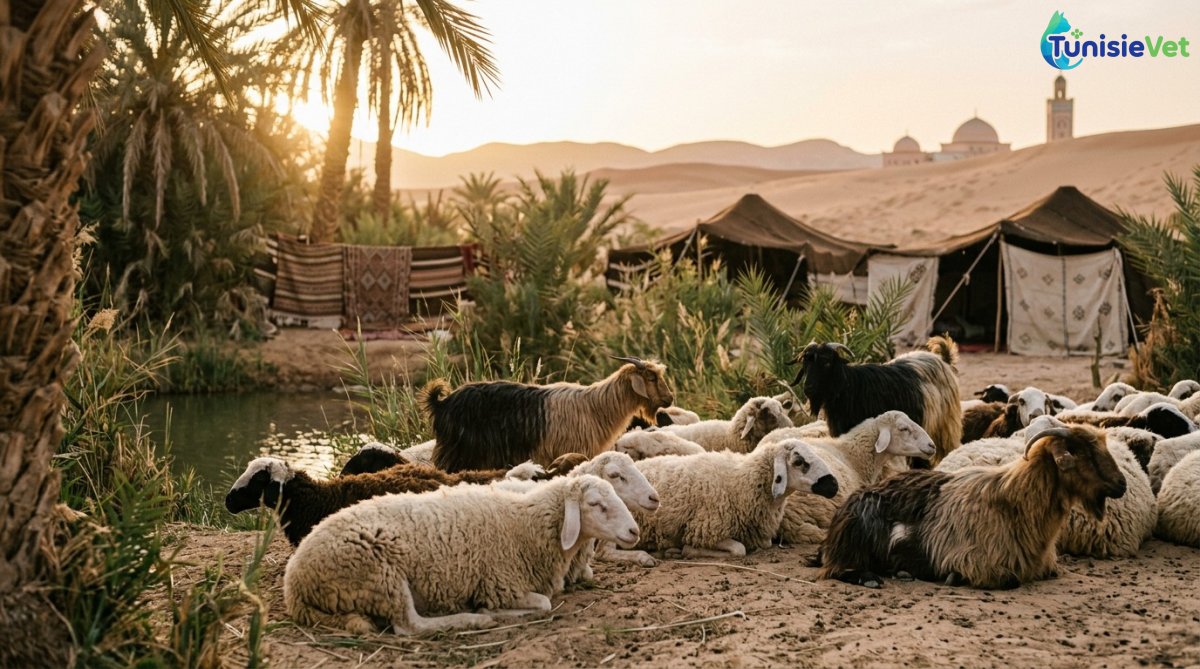
The Qur'an mentions, among the countless blessings granted to humans, the wool of sheep, the hair of goats, and the mane of horses—materials transformed into clothing, bedding, and everyday objects.
3 min read · Published 9 hours ago · 5 views
In Surah An-Nahl ("The Bees"), Allah reminds humans of the many favors He has placed in creation, and among them are livestock whose wool, hair, and fur serve to build a better life. This verse is part of a broader context in which livestock is presented as a source of food, drink, transport, and clothing.
"And from their wool, their fur, and their hair you derive garments and furnishings, and you enjoy them for a time."
(Surah An-Nahl, verse 80)
This verse comes just after the one describing houses made from livestock hides, light to carry when moving and camping. Together, these verses paint a concrete picture of the life of early Arab communities, for whom livestock was not merely an economic asset but a vital resource touching on clothing, shelter, and domestic comfort.
Materials Transformed by Human Ingenuity
The wool of sheep, the hair of goats, and the mane of camels or horses are mentioned for a reason: these are materials that humans have known how to spin, weave, and work since ancient times. The Qur'an thus invites a grateful look upon what nature, by divine grace, makes available to humans through domesticated animals:
sheep's wool, for warm clothing and blankets;
goat hair, often used for tents and ropes;
horse or camel mane, used for various woven objects and simple furnishings.
It is reported in several exegetical commentaries that this verse illustrates divine wisdom, which has endowed each creature with characteristics useful not only to itself but also to the balance of human life surrounding it. According to some exegetes, the phrase "for a time" recalls the transient nature of these material goods, inviting the believer not to cling excessively to them while recognizing their genuine utility.
The Bond Between Human and Animal
This verse, far from being a mere technical description, underscores the relationship of interdependence between humans and the animals they raise. Livestock nourishes, clothes, transports, and provides comfort, but this supposes in return careful attention from the one who benefits from it. In the prophetic tradition, several authentic hadith reports, particularly those in Sahih al-Bukhari, emphasize the importance of treating animals well, whether in feeding them, not overloading them, or sparing them unnecessary suffering.
Thus, the mention of wool, hair, and fur in the Qur'an is not merely an agricultural or economic note: it fits into a broader vision in which every blessing derived from creation calls forth gratitude and responsibility from humans. Caring for the animals that bring us warmth, clothing, and comfort is to honor both their utility and their dignity as living creatures. This Qur'anic reminder invites everyone, even today, to treat with gentleness and consideration the animals upon whom our daily life, in one way or another, depends.