StoryDesertSteppeFarmland & grasslandsStories from the hadiths
The Prophet ﷺ and a Mistreated Camel
One day, the Prophet ﷺ entered a garden in Medina where a camel, upon seeing him, began to moan and shed tears. What the Messenger of Allah discovered about its owner would become an eternal lesson in compassion.
3 min read · Published 1 day ago · 5 views
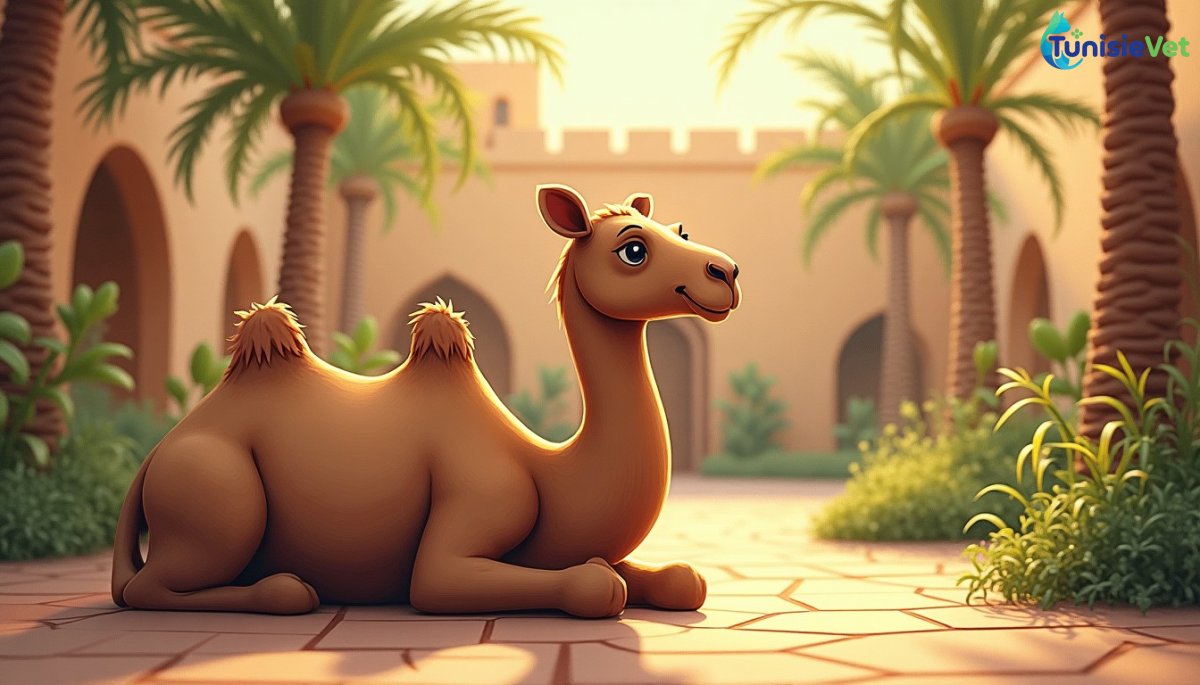
One day, the Prophet ﷺ entered a garden belonging to a man from the Ansar in Medina. A camel was kept there. As soon as the animal caught sight of the Messenger of Allah ﷺ, it began to groan and its eyes filled with tears.
The Camel That Wept Before the Prophet ﷺ
The Prophet ﷺ then approached the creature and stroked his hand behind its ears, over the hump, until it grew calm. This gesture of gentleness shows how deeply the Messenger of Allah ﷺ understood how to address even the animals with tenderness, without exchanging a single word with them.
He then asked: "To whom does this camel belong? Who is its owner?" A young man from the Ansar came forward and said the camel belonged to him. The Prophet ﷺ then spoke to him words recorded in the collection of Imam Abu Dawoud: "Do you not fear Allah concerning this creature that He has placed under your authority? It complains to me that you make it fast and that you exhaust it."
A Lesson in Responsibility Toward Animals
This hadith, known as the hadith of the complaining camel ("ḥadīth al-jamal al-shākī"), teaches that human beings bear a real responsibility toward animals placed in their care. The camel, according to what the commentators of this hadith report, had not only suffered from hunger: it was also subjected to excessive work, beyond its strength.
The Prophet ﷺ did not content himself with a mere rebuke: he reminded the owner that the possession of an animal is not an absolute right, but a trust (an amāna) that Allah has granted him. To feed one's mount adequately, not to overburden it, to respect its pace and its needs: this is what this brief exchange conveys to us, across the centuries, with undiminished clarity.
This account echoes other teachings of the Prophet ﷺ on kindness to animals, such as the one recorded in Sahih al-Bukhari, where he speaks of a woman punished for allowing a cat she had confined to die of hunger, or again where he reminds us that there is a reward for doing good to every living being possessed of a beating heart, that is to say every living creature.
A Message Still Relevant Today
Even today, this scene from the Medinan garden resonates as a simple and universal call: the one who has charge of an animal, whether a mount, a flock, or a domestic companion, must ensure its well-being before thinking of his own profit or comfort. The camel could not speak the language of men, but its silent complaint was enough to touch the heart of the Messenger of Allah ﷺ, who knew how to hear it where others would have passed without noticing.
This story invites us, in turn, to observe the animals around us with the same benevolent attention: to ensure they lack neither food, nor rest, nor care, and to regard every creature as a precious trust for which we shall answer. It is in these small daily gestures of gentleness toward living beings that the example of the Prophet ﷺ continues to extend, even in our time.
Be among the first to use the TunisieVet app on Android: sign up and get early Google Play access.
You're signed up!
Thanks for joining! We'll activate your access within 24–48 business hours. Once done, the two buttons below will work from your Android phone — keep this email.
You're on Android: as soon as your invitation email arrives, these two links will work.