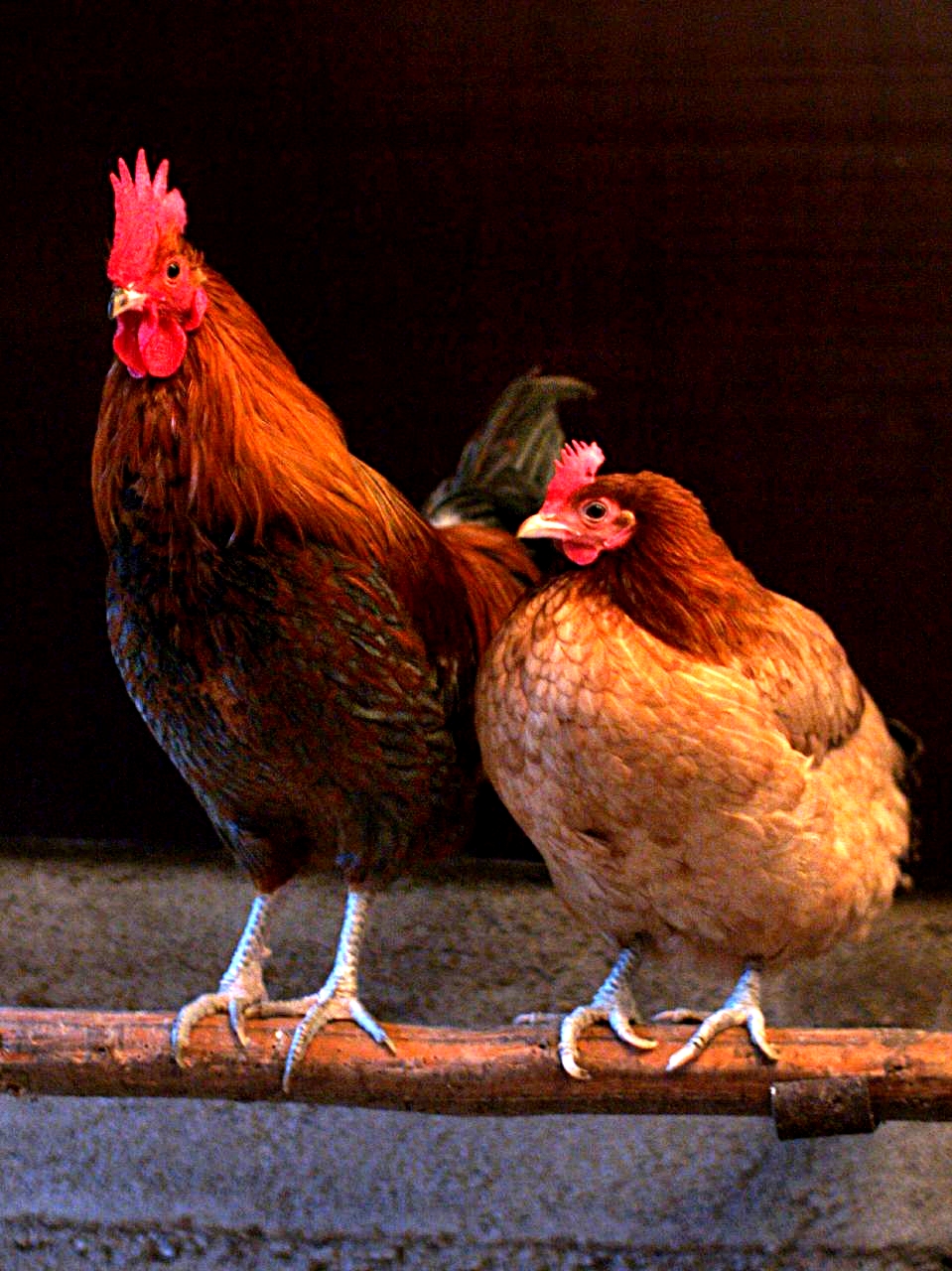
Why does a laying hen need protein to produce eggs?
17 views · 3 weeks ago
A laying hen needs protein because egg white (albumen) is made up of more than 10% pure protein, synthesized daily from amino acids provided by food. Without adequate daily intake of methionine and lysine in particular, a hen simply cannot make a complete egg, even if she eats in abundance.
A total percentage is not enough: the question of amino acids
Producing one egg per day represents intense metabolic effort: the hen must mobilize the equivalent of approximately 6 to 7 grams of protein at once for the albumen, yolk, and shell. However, not all proteins are equal. Methionine and lysine are called "limiting": these are the amino acids the hen most easily lacks, and if they are missing, protein synthesis stops, no matter how much total protein is consumed. This is why feed manufacturers calculate based on digestible amino acids rather than crude protein percentage alone.
Wheat, although rich in energy starch, is structurally poor in lysine and methionine: it covers energy needs but leaves the hen deficient in essential amino acids, which quickly results in lower laying rate or smaller eggs. Table scraps pose the same problem in another form: their composition is too variable and unbalanced from day to day to guarantee a constant supply of the right amino acids, whereas egg formation is a daily and regular process.
Publicité
Publicité
A complete feed for laying hens typically displays a protein level of around 16 to 18%, combined with complementary sources such as soy, sunflower meal, or synthetic amino acids, precisely to correct the shortcomings of wheat or corn alone.
Common misconception to correct
Giving "plenty of protein" is not enough to guarantee good laying: a ration poorly balanced in amino acids can show a correct percentage on paper while being ineffective. If laying suddenly drops for no apparent reason despite abundant feeding, veterinary or zootechnical advice can help identify the cause.