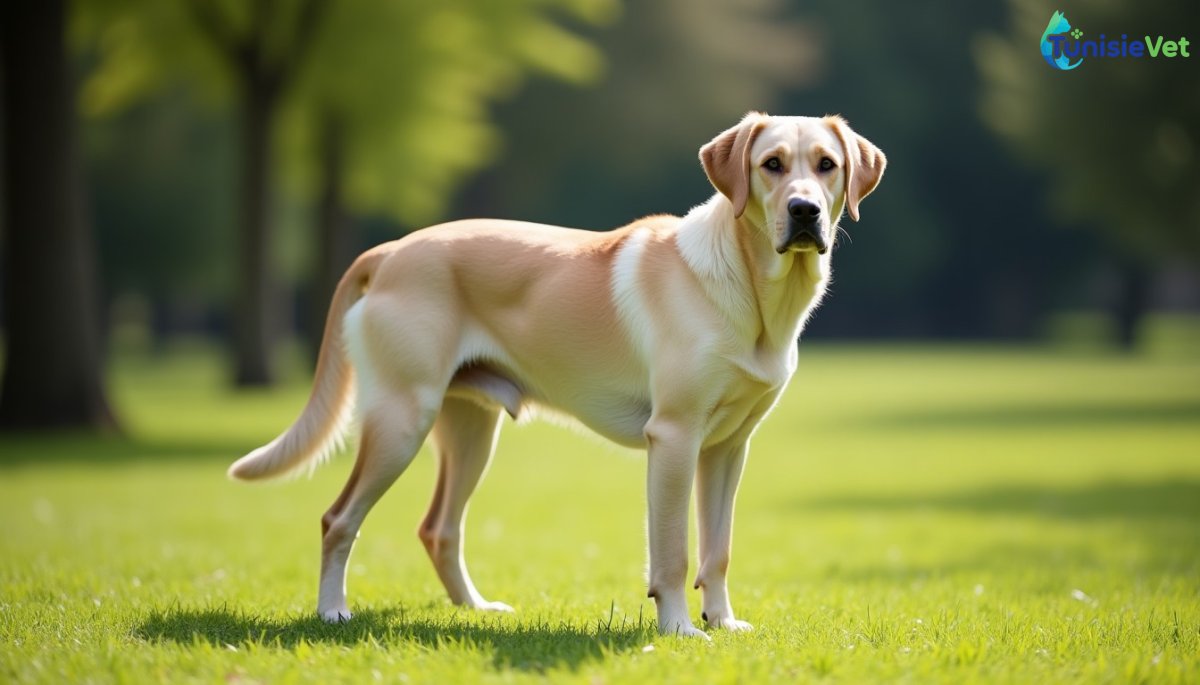
A genuinely working dog — a sled dog, hunting dog, or herding dog that works for several hours — needs more energy because its exercise metabolism burns fat heavily, an energy source far denser than carbohydrates, which are preferentially used by human athletes.
Canine metabolism, built for endurance through fat
Unlike humans, who first draw on their stores of muscle glycogen, an endurance dog adapts its body to burn fatty acids from the first minutes of prolonged exertion. This metabolic pathway allows it to supply energy steadily over long periods without the fatigue "crash" that comes from glycogen depletion. In sled dogs covering hundreds of kilometers, the rations used can provide as much as 60 to 70 percent of energy as fat, compared with a far smaller proportion in a sedentary dog.
This difference explains why simply increasing carbohydrates is not enough to sustain a working dog: it is the fat in the diet, easily digestible fat, that must be adjusted to the actual intensity and duration of the work.
Publicité
Publicité
Feeding, hydration, and recovery: practical guidelines
Meals should never come immediately before exercise: a full stomach during intense activity raises the risk of digestive upset and bloat, a well-documented emergency in large, active dogs. A gap of several hours before exercise is generally advised.
Water must be available before, during work breaks, and after exertion, since a working dog loses water rapidly through breathing, panting being the dog's main cooling mechanism rather than sweating. After exercise, recovery involves gradual rehydration and a suitable meal a few hours later, giving the digestive system time to resume function without overload.
True working dog or casual walker?
These higher fat needs apply to dogs doing intense, prolonged work — several hours of pulling, hunting, or herding — not the dog on an hour-long walk, whose energy needs remain close to those of an active resting dog. Mixing up these two profiles often leads to unnecessary calorie surplus in the standard pet dog.