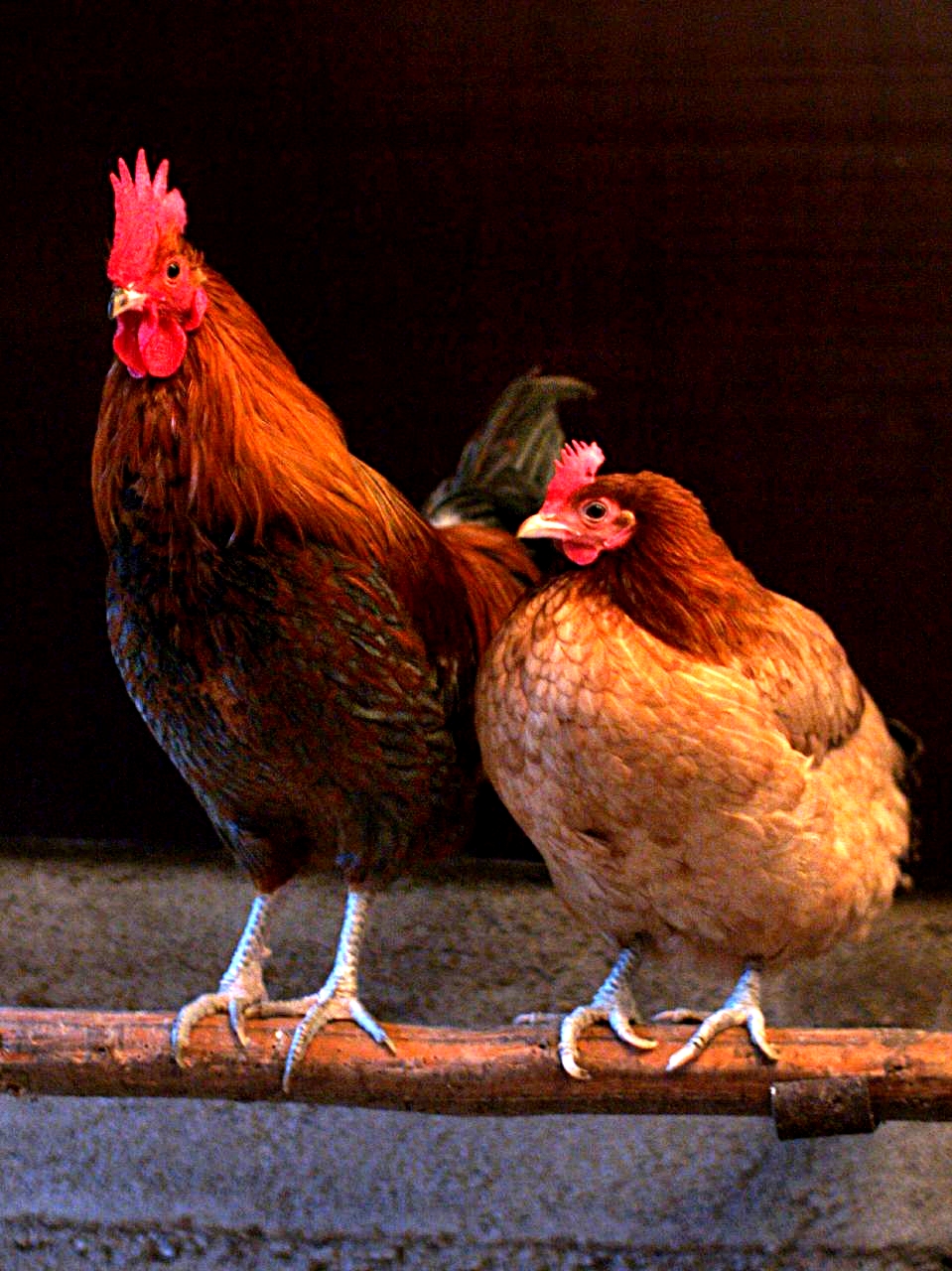
A hen's food and water intake increases during egg-laying because producing an egg weighing around 60 grams almost every day requires additional raw materials: water, minerals, energy. The shell alone draws on a significant portion of the calcium available in the hen's body.
The true cost of a daily egg
An egg weighs on average 55 to 65 grams, of which approximately 10% is shell composed almost entirely of calcium carbonate. To make this shell overnight, the hen draws on her bone reserves and must then rebuild them through diet: she consumes significantly more feed than a non-laying hen, with her appetite adjusting to the metabolic demand linked to daily egg formation.
But it is water above all that explains the most dramatic increase in consumption. The egg contains about 75% water in the white and a significant proportion in the yolk: each egg laid therefore represents several tens of millilitres of water drawn directly from the hen's body. A laying hen may drink two to three times more than a hen not laying, with water serving both as raw material for the egg and as a vehicle for transporting nutrients and minerals to the oviduct.
Water, an often overlooked factor
Unlike gradual feed restriction, water deprivation has an almost immediate effect: egg-laying can stop within just a few hours, because egg formation depends on constant water flow through the oviduct. Even a simple restriction of access to the drinker, even for a short time, is enough to interrupt the current laying cycle, sometimes for several days after watering resumes. This point is frequently underestimated compared with attention paid to the feed ration, whereas water remains the primary limiting factor in egg production. In case of an unexplained sudden drop in egg-laying, veterinary advice allows other causes to be ruled out.