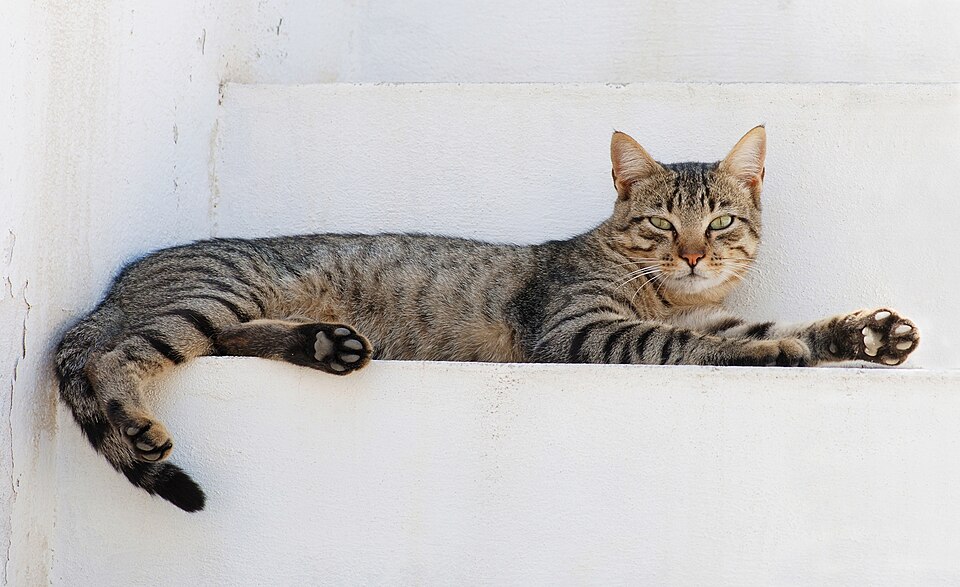
Why does food temperature influence a cat's appetite?
0 views · 2 hours ago
Food temperature influences a cat's appetite because its eating behavior remains aligned with that of a solitary predator: a freshly caught prey is warm, around 38 °C, the body temperature of its natural prey. Food taken straight from the refrigerator, often close to 4–5 °C, breaks this reference point and releases fewer volatile compounds, making the meal less appealing.
A thermal signal inherited from the hunter
In cats, unlike other domesticated mammals, food selection depends strongly on sensory signals associated with living prey: warmth, texture, surface moisture. Cold food sends a signal that conflicts with this innate pattern, which can reduce food intake, especially in older or sick cats whose motivation to eat is already lowered.
This phenomenon is regularly observed in feline practice: gently warming a wet food often increases its acceptability, a point used in veterinary practice to stimulate appetite in a recovering or anorexic cat.
Publicité
Publicité
Warming without cooking or leaving it out
To reach 30–38 °C without altering the food, gentle warming is preferred: a few seconds in a water bath in a closed container, or a brief spell in the microwave on very low power while stirring well to eliminate hot spots, which can burn the mouth without the rest being warm. Always check the temperature with your finger before serving, as plastic and metal heat differently from the contents.
Once warmed, wet food breaks down faster: in a warm climate, as is often the case in Tunisia for much of the year, it should not sit in the open for more than about thirty minutes before being removed, to limit bacterial growth and surface drying. If poor appetite persists despite these adjustments, a veterinary consultation is needed to rule out an underlying medical cause.
📱 عندك صفحة على فايسبوك؟ باهي…
أما وين موقعك؟
الصفحة وحدها ما تكفيش.
موقعك يخلي الناس تلقاك، يعرفوك أكثر ويثقو في خدمتك.
🌐 موقع باسم مشروعك
📲 يخدم أربعة وعشرين ساعة
🤝 يعطي ثقة واحترافية
.📈 يعاونك تكبّر خدمتك
خلّيه موجود وين الناس تلوّج عليه
🚀نعملولك موقع يشرّف مشروعك