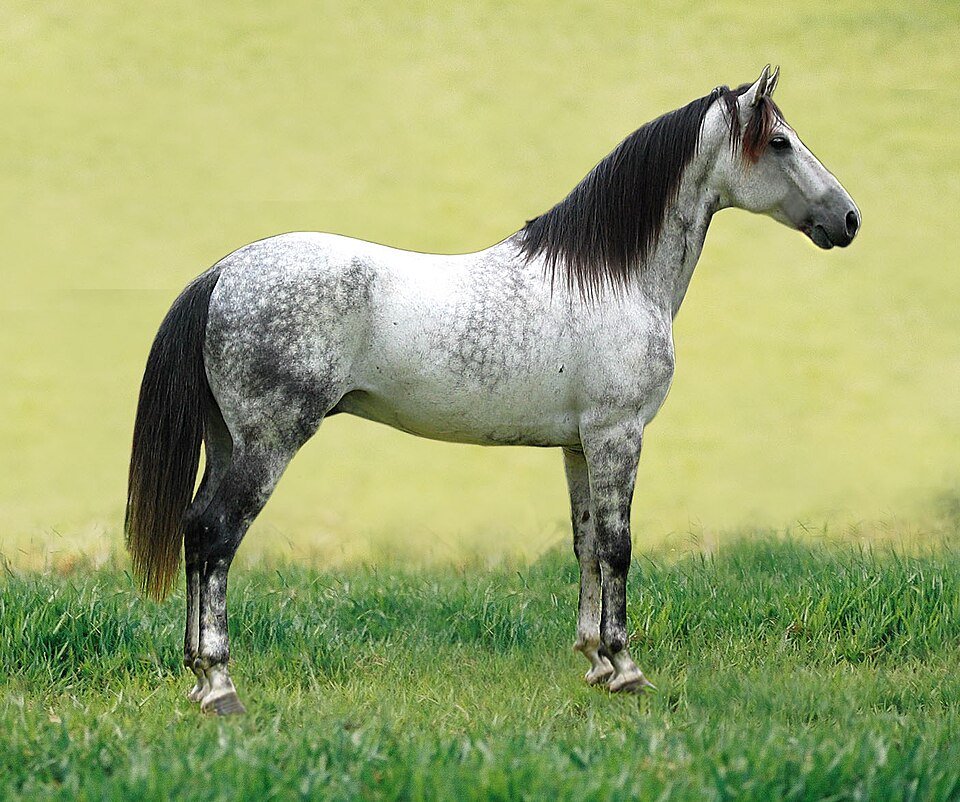
Horses sleep upright thanks to a passive locking system of the limbs, called the reciprocal apparatus: tendons and ligaments block the knee and fetlock joints without muscular effort, allowing them to doze in an upright position and instantly flee a predator.
A mechanism inherited from the life of prey
In the horse, the suspensory apparatus of the fetlock and the reciprocal system of the hind limbs lock the stifle and hock joints in synchrony : the weight of the animal rests on passive tendon structures, without sustained muscular contraction. This mechanism allows phases of light rest, corresponding to superficial slow-wave sleep, while maintaining the ability to gallop in a fraction of a second. This behavioral heritage comes from the ancestors of the horse, prey to numerous predators, for whom remaining vigilant in a flight position constituted a vital advantage.
This locking, however, only works for light sleep. Paradoxical sleep, a phase where muscle tone almost completely disappears, cannot be achieved while standing: a horse that remains permanently on its limbs, due to pain, stress or lack of confidence in its environment, does not manage to reach this phase and accumulates a paradoxical sleep debt.
A horse must also lie down
Observations in breeding show that a healthy horse lies down on average one to a few times a day, for short periods often totaling less than an hour on 24 hours, enough to complete paradoxical sleep cycles. If the animal systematically avoids recumbency - due to joint pain, insecurity of the box or poorly tolerated social promiscuity - episodes of sudden drowsiness with drooping of the hindquarters may appear, a clinical sign of paradoxical sleep deprivation. This unusual behavior warrants veterinary advice, as it may reflect chronic pain or an unsuitable environment rather than an isolated sleep disorder.