Marine animalsOcean & seaAfricaEuropeAsiaAmericasOceaniaPolar regions
Why do whales sing?
59 views · 1 month ago
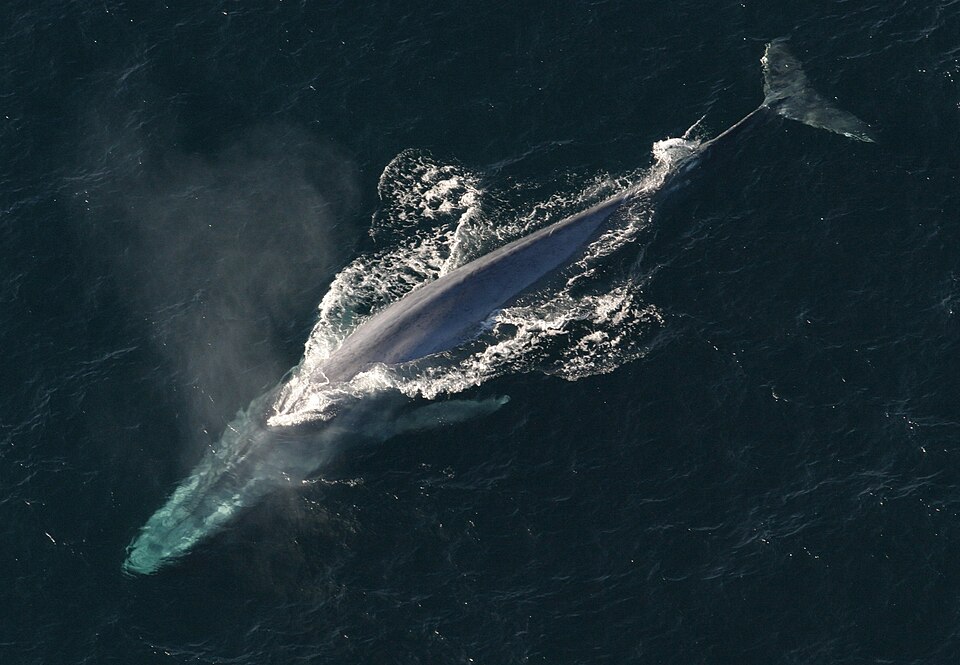
The blue whale sings to communicate over very long distances: its vocalizations, among the deepest and most powerful sounds in the animal kingdom, probably serve to attract a partner, maintain contact between dispersed individuals and locate other whales in the immensity of the ocean.
Infrasound that crosses entire oceans
Blue whale songs are around 10 to 20 Hz, below the threshold of human hearing. These extremely low frequencies suffer little attenuation in water: they can, under favorable ocean conditions, propagate over hundreds or even more than a thousand kilometers. This exceptional range allows isolated individuals over vast marine territories to remain in acoustic contact.
Scientists distinguish several probable functions of these songs: the search for reproductive partners during the mating season, the maintenance of social cohesion between dispersed individuals, and a possible role in long-distance tracking, particularly during migrations. Notably, blue whale songs change from one season to the next: their frequency tends to decrease slightly from year to year according to certain studies, a phenomenon whose exact cause remains debated among researchers.
Underwater noise, a direct threat to communication
Maritime traffic, industrial activities and military sonars have significantly increased the level of ambient noise in the oceans for several decades. This anthropogenic noise masks some of the frequencies used by blue whales, reducing the effective distance over which their signals remain audible to other individuals. Observations show that certain populations modify the intensity or timing of their vocalizations in response to this background noise, which can complicate the search for partners and coordination between individuals, particularly in a species already classified as endangered by the IUCN and whose numbers remain fragile since commercial hunting in the 20th century.