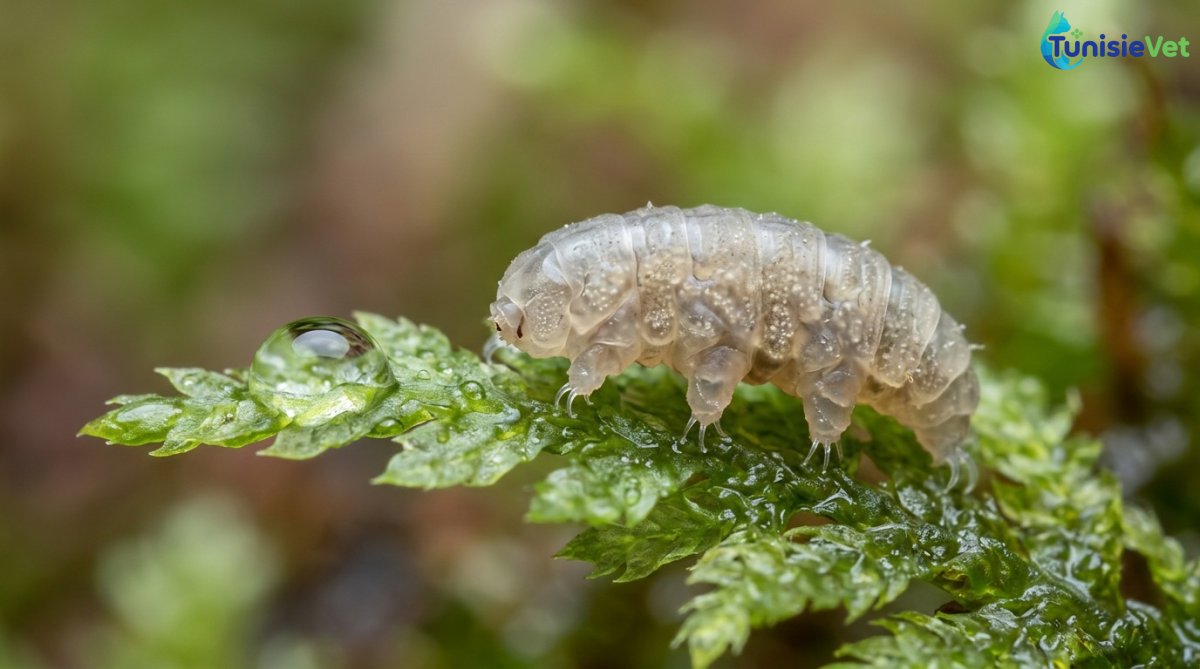
Left in a completely dried-out environment, a tiny animal under a millimetre long curls up and loses almost all its water. It looks like lifeless dust, yet a few days later it can come back to life once rehydrated. How is that possible?
Publicité
Publicité
The tardigrade, or "water bear", forms a small dehydrated "barrel" called a tun. Its body drops from about 85% water to under 3%, and nearly all its metabolism stops. This is not death but a state of slowed life called cryptobiosis, which ends as soon as water returns.
There is no single recipe for this protection. Many organisms rely on a protective sugar, trehalose, yet several tardigrade species produce little or none of it. Proteins specific to this group seem to play a role, such as Dsup, which binds DNA and shields it from free radicals in the studies conducted, notably on human cells grown in culture.
The exact mechanisms remain incomplete: researchers are still working out how these different strategies fit together.