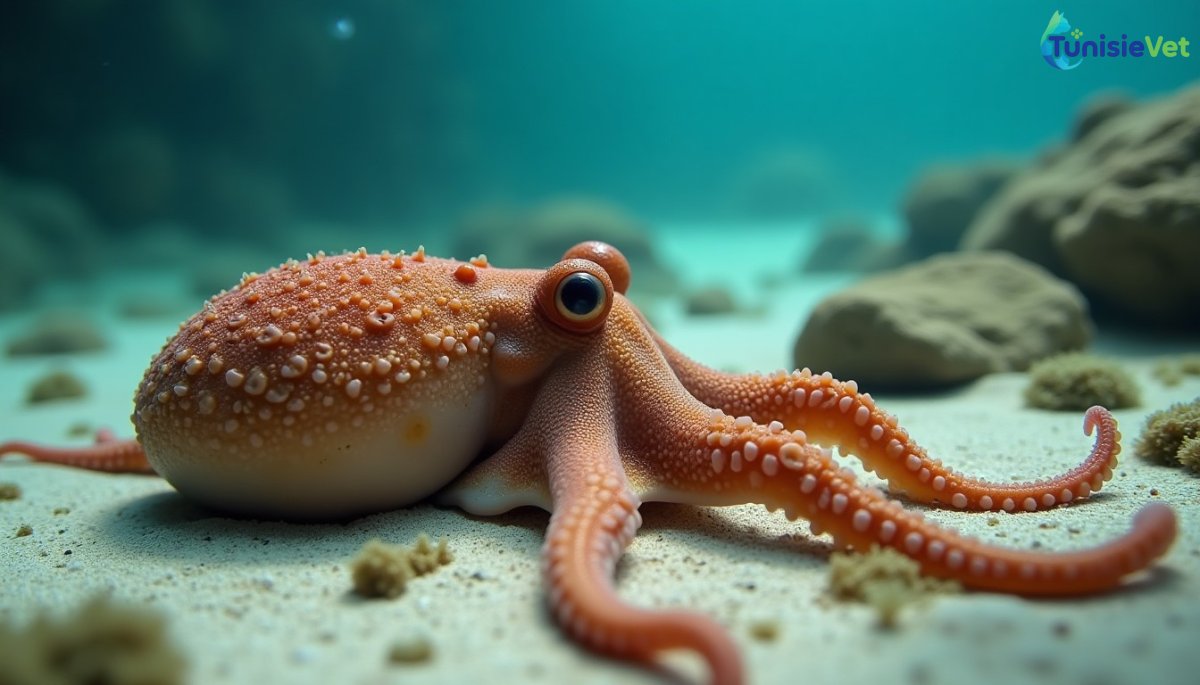
An octopus blends into colours it does not seem to see. How does it manage? Part of the answer may lie in its skin itself, not in its eyes.
Publicité
Publicité
Researchers took skin fragments from the two-spot octopus, Octopus bimaculoides, and isolated them from any nerve link with the eyes and brain. Under light, the chromatophores, tiny pigment cells, expanded, depending on the wavelength used. The skin reacted on its own, in the laboratory.
This skin also contains opsins, light-sensitive proteins normally found in eyes. In this species, they were detected in skin cells. In another octopus, O. vulgaris, they are not reported in the sources consulted.
What do they do in a living animal? Nobody knows yet. Their role in camouflage remains a hypothesis, and the debate is open.