
How to Give a Pill to Your Pet: Complete Guide

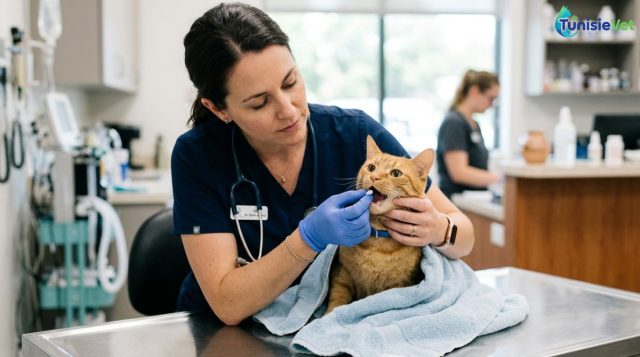
Giving a pill to your pet seems straightforward until your cat spits it out, your dog hides it under the carpet, or the treatment fails because your pet didn't swallow the full dose. This guide covers the most common mistakes and proven techniques for successful medication administration in cats, dogs, rabbits, small rodents, and farm animals.
1. Common errors that cause treatment failure
Before learning the right techniques, it's important to understand why so many pill administrations fail. These medication errors happen repeatedly, regardless of the animal species.
- Assuming the animal swallowed when it actually spit out the pill discreetly a few minutes later, often hidden in the litter box, bedding, or straw.
- Crushing an enteric-coated or extended-release tablet, which destroys how the medication works and can make the taste so bitter that the animal refuses future doses.
- Mixing the pill with a large amount of food: the animal eats around it and leaves the pill at the bottom of the bowl, so the full dose isn't given.
- Not giving water or food after the pill, which can cause it to lodge in the esophagus, especially in cats.
- Forcing the mouth or snout roughly, creating a lasting negative association that makes every future dose harder to administer.
- Stopping treatment as soon as symptoms improve, when the full prescribed duration is necessary for the medication to be truly effective.
2. How to give medication to a cat or dog
For giving medication to a cat or dog, the most reliable method remains hiding it in a highly palatable food, provided you follow a few key rules.
The hidden treat technique
- Choose soft, strongly scented food: a small amount of wet food, fresh cheese, or peanut butter (without xylitol) for dogs.
- Form a small ball that completely wraps the pill, with no visible pieces sticking out.
- First offer a treat without the pill to build trust, then offer the one containing the pill.
- Verify the animal actually chews and swallows it, not just grabs the ball.
The manual technique, as a last resort
If the animal refuses any food, manual administration is still possible but requires gentleness: tilt the head slightly upward, open the mouth by pressing on the corners of the jaw, place the pill deep on the tongue, then close the mouth and gently massage the throat until the swallowing reflex occurs. Gently blowing on a dog's nose also helps promote swallowing.
A small amount of wet food or a syringe of water right after administration helps the pill go down without lodging in the esophagus.
3. When your pet refuses the pill: practical solutions
When faced with an animal that systematically refuses to take a pill, several practical solutions exist before giving up on the treatment.
- A pill gun or pill popper: a plastic device that places the pill deep in the throat without exposing your fingers to a bite, useful for wary animals.
- Pill paste specially designed to hide a tablet, sold in pet stores or by veterinarians, with a sticky texture that masks the shape and taste.
- Changing the food carrier: an animal that always recognizes the same treat eventually becomes suspicious of it; alternating between different palatable foods reduces this anticipation.
- Asking your veterinarian about alternative formulations: some medications are available as liquids, pastes, or flavored preparations that are easier to give to animals that resist tablets.
- Timing matters: offer the hidden pill before the main meal, when the animal is hungry, significantly increases the chances of acceptance.
4. Pill administration technique for ruminants: cattle, sheep, goats
The technique for administering pills to ruminants is quite different from domestic carnivores, due to the animal's size and digestive system structure.
- Use a long-handled pill gun adapted to the species size to place the pill or bolus deep in the throat without risk of being bitten.
- Properly restrain the animal, usually by backing it against a wall or with a second person holding the head, as any sudden movement can cause the animal to spit out the medication.
- Tilt the animal's head slightly upward without excessive tilt, then insert the device on the side of the mouth, never face-on.
- Check for swallowing by observing the throat movement before releasing the animal.
- For large boluses intended for cattle, strictly follow the animal's weight indicated on the package, as underdosing reduces treatment effectiveness.
In ruminants, the rumen can hold a poorly swallowed pill for an extended time without it being properly absorbed, making it essential to confirm swallowing with each dose.
5. Pill administration to rodents and rabbits: specific precautions
Giving pills to rodents and rabbits presents a particular challenge: these species have rapid digestive transit and a highly developed sense of smell that allows them to detect any foreign object in their food.
- Crush the pill into fine powder, unless your veterinarian advises against it, and mix it with a small amount of vegetable puree they really enjoy, such as carrot or apple.
- Offer this mixture in small quantity so the animal consumes all of it, rather than a large portion where the medication gets diluted.
- Never forcefully open a rabbit's or rodent's mouth without proper training; their mouth anatomy makes this risky and delicate.
- When available, prefer a liquid form administered by syringe, which is easier to dose precisely in these small animals.
- Weigh the animal regularly, as the dose of a pill for a rodent or rabbit is calculated to the gram based on body weight.
6. Technique comparison table by species
| Species | Recommended technique | Main point of caution |
|---|---|---|
| Cat | Wet food ball or manual administration with pill gun | Verify swallowing; risk of esophageal blockage |
| Dog | Hiding in treat or palatable food | Avoid toxic foods as carriers |
| Rabbit, rodent | Powder mixed with vegetable puree or liquid form | Precise dosing by weight; no forcing |
| Ruminant (cattle, sheep, goat) | Adapted pill gun, proper restraint | Confirm swallowing before releasing |
7. Best practices for sustained treatment effectiveness
Beyond the individual dose, effective animal treatment also relies on strict organization over time.
- Maintain regular schedules, at fixed times if possible, especially for antibiotics whose effectiveness depends on stable concentration in the body.
- Note each dose in a notebook or app, particularly useful when multiple household members care for the animal.
- Never double up on a missed dose without consulting your veterinarian, risking overdose.
- Store pills according to package instructions, protected from heat and humidity, conditions common under Mediterranean climates.
- Complete the entire prescribed duration, even if symptoms disappear before treatment ends.
If treatment repeatedly fails despite these techniques, or if the animal consistently vomits after taking the pill, consult a veterinarian to adjust the formulation or dosage.
Summary
- Always verify the pill was actually swallowed, not just grabbed or chewed.
- Adapt the technique to the species: treat for cats and dogs, puree for rabbits and rodents, pill gun for ruminants.
- Never crush a specially coated pill without your veterinarian's approval.
- Request an alternative formulation if your animal systematically refuses pills.
- Follow schedules and complete the full duration to ensure effective treatment.
Frequently asked questions
Can I crush a pill to give it more easily to my pet?
It depends on the pill type: a regular tablet can often be crushed, but an enteric-coated or extended-release tablet should never be. Confirming with your veterinarian before handling avoids rendering the treatment ineffective.
What should I do if my pet keeps spitting out its pill?
Try a different hiding method, a more palatable food, or an appropriate pill gun before attempting manual administration. If refusal persists, ask your veterinarian for a liquid form or pill paste, which is simpler to give.
How long after taking a pill can a pet still spit it out?
A poorly swallowed pill can be spit out within minutes of administration, sometimes discreetly. Observing your pet for a few minutes after each dose confirms the medication was actually ingested.
Mastering the skill of giving a pill to your pet prevents wasting costly medication and protects your bond of trust with your companion. When in doubt about technique or dosage, a veterinarian is always your best resource to ensure every dose is given safely.
Leave a comment
Be the first to comment on this article.

TunisieVet in your pocket 📱🐾 Access your veterinary services wherever you are. [ Download the app ]
Learn more