
How to Give Pills to Dogs and Cats Stress-Free

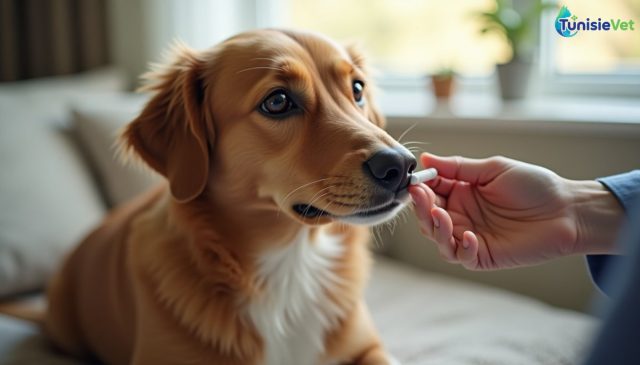
Giving a pill to your dog or administering medication to your cat can quickly turn into a struggle: scratches, the tablet spat out, the pet fleeing the moment it spots the medicine box. Yet with the right technique, a suitable position, and a little patience, this part of treatment can become simple, fast, and nearly stress-free for both the animal and its owner. Here is a practical step-by-step guide to succeed every time.
Setting the stage before administering the medication
Success often depends on what you do before opening your pet's mouth. A few basic principles make the whole process much easier:
- Choose a calm moment, away from excitement (not right after playtime or a visit).
- Find a familiar setting without sudden noises or other animals nearby.
- Prepare everything in advance: the tablet, a treat or appetizing food, and perhaps some water.
- Stay calm and confident: dogs and cats pick up on human tension very well, which can make them more suspicious.
For a nervous dog or an uncooperative cat, it can help to do a "dry run" with a treat of similar size, so the animal gets used to the motion without automatically associating it with something unpleasant.
Giving a pill to your dog: the mouth-opening technique
The mouth-opening technique remains the gold standard when hiding the pill in food doesn't work or when the medication must be taken on an empty stomach.
Steps for successful pill administration
- Sit your dog down or position yourself beside it, never directly over it, to avoid startling the animal.
- Gently grasp the muzzle with one hand from above, placing your thumb and fingers behind the upper canines.
- Tilt the head slightly upward: the lower jaw naturally tends to open.
- With your other hand, quickly place the tablet as far back on the tongue as possible.
- Close the mouth and hold it shut for a few seconds while stroking the throat or gently blowing on the nose, which encourages the swallowing reflex.
- Verify the dog has swallowed by watching for lip licking, then reward it immediately.
For large dogs, it's easier to position yourself behind or to the side; for small dogs, placing them on a table or elevated surface gives better control without having to bend over.
Giving a pill to your cat: adapted positions and helpful tips
Cats often require more gentleness and speed than dogs, as they tolerate restraint less well.
The "wrapping" position (burrito method)
- Wrap the cat's body in a towel, leaving only the head exposed, much like a small parcel. This limits scratches without frightening the animal.
- Secure the cat between your knees or against your chest while sitting, so it feels supported and not suspended in midair.
- With one hand, gently tilt the head upward while holding the upper jaw; the mouth naturally opens slightly.
- With the other hand, place the tablet deep in the mouth at the base of the tongue, then close the mouth.
- Gently massage the throat or blow on the nose to trigger swallowing.
After administration, always offer a little water or soft food: this helps the tablet travel properly down the esophagus and prevents it from getting stuck, which can irritate the lining.
Hiding the medication: a useful alternative, but not foolproof
Concealing the tablet in a small piece of highly palatable food (pâté, fresh cheese, or a piece of meat) works well with many dogs and some cats. Keep these precautions in mind:
- Always check with a professional that your chosen food doesn't reduce the medication's effectiveness.
- First offer a small bite without the tablet, then the one containing the medication, followed by a third bite with nothing: the animal is less likely to pick it out.
- Be wary of cats, which are often able to spot and spit out the hidden tablet despite all your tricks.
There are also pill guns (pill dispensers) that allow you to place the tablet far back in the throat without risking a bite, which are particularly useful for the most reluctant animals or for owners uncomfortable with manual pill administration.
Common mistakes to avoid
- Crushing a chewable tablet meant to be swallowed whole without professional advice: this can change its taste or effectiveness.
- Insisting roughly if the animal refuses repeatedly: it's better to take a break and try again calmly rather than create a lasting negative association.
- Forgetting to reward the animal after administration, which helps it associate the action with something positive over time.
- Neglecting to give water or a bit of food afterward, when this actually helps the tablet go down properly.
If despite all these techniques your dog or cat stubbornly refuses treatment, or if you're unsure how to administer a particular medication, it's always best to seek advice directly from a professional. You can consult the directory of vets for dogs or the one for vets for cats to find a practitioner near you who can show you the proper technique or adjust the medication form (liquid, paste, injectable) if tablets are truly problematic.
What if my cat or dog keeps spitting out the tablet?
If your animal consistently spits out the pill, try using a pill gun to deposit it deeper in the throat, or ask your vet if a liquid or flavored alternative exists. A professional can also check whether any mouth pain explains this persistent refusal.
Need a professional opinion? If in doubt or in an emergency, find a veterinarian near you on TunisieVet.
Leave a comment
Be the first to comment on this article.

📱 عندك صفحة على فايسبوك؟ باهي… أما وين موقعك؟ الصفحة وحدها ما تكفيش. موقعك يخلي الناس تلقاك، يعرفوك أكثر ويثقو في خدمتك. 🌐 موقع باسم مشروعك 📲 يخدم أربعة وعشرين ساعة 🤝 يعطي ثقة واحترافية .📈 يعاونك تكبّر خدمتك خلّيه موجود وين الناس تلوّج عليه 🚀نعملولك موقع يشرّف مشروعك
WhatsApp