
Adopting a Shelter Animal in Tunisia: 10 Questions to Ask First


Adopting a shelter animal is a wonderful decision, as long as you prepare for it. Before taking the plunge, assess your time, your home and your budget, then choose a reputable shelter and ask about the animal's background. This guide is for future adopters of dogs, cats, rabbits and guinea pigs, with benchmarks suited to Tunisia.
The TunisieVet app to care for your pet
Vets, adoption and products


1. Honestly Assess Your Availability
An adopted animal is a commitment that can last many years. Start by asking yourself some simple, honest questions.
- Who will look after the animal every day, including weekends and holidays?
- How many hours will it be left alone, and does it cope well with being on its own?
- What will happen during travel, a move or a change of job?
- Does everyone in the household agree, including on possible allergies?
A dog needs regular walks, training and company. A cat is more independent, but still needs play and attention. Rabbits and guinea pigs are delicate, sociable animals that require daily care, despite the common misconception that they are low-maintenance.
2. Check That Your Home Is Suitable
Apartment or House
In an apartment, a calm cat, a rabbit or guinea pigs can do very well. An energetic dog will be harder to manage there, unless it gets long walks. A house with a garden is only useful if the garden is properly fenced.
Heat and Safety
Tunisian summers are demanding. Provide shade, fresh water at all times and a cool place to rest. Walk your dog during the cooler hours. Rabbits and guinea pigs are especially vulnerable to heat: never leave them in the sun or on an exposed balcony. Also secure balconies and windows for cats.
If you are a tenant, check that your landlord agrees before adopting.
3. Work Out the Real Budget
The adoption fee is only the beginning. Plan for both regular and unexpected expenses.
| Expense | For whom | What to plan for |
|---|---|---|
| Food | All | Suitable kibble, unlimited hay for rabbits and guinea pigs |
| Veterinary care | All | Vaccines, deworming, flea and tick treatment, consultations |
| Neutering | Dogs, cats, sometimes rabbits | Often needed; ask the shelter |
| Equipment | All | Litter, leash, bed, spacious cage, toys |
| Emergencies | All | Illness or accident: set aside a reserve fund |
4. Spot a Reliable Shelter or Association
A good shelter does not try to rehome an animal at any cost. Look out for several signs.
- The premises are clean, and the animals have water and room to move.
- Volunteers ask you questions about your lifestyle.
- The animal has been seen by a vet, is identified and, if possible, vaccinated and neutered.
- An adoption contract or commitment form is provided.
- The shelter agrees to take the animal back if problems arise.
Be wary of vague listings, pressure to pay money quickly, or refusal to let you visit. Take the time to meet the animal several times.
5. Ask the Right Questions About the Animal
To choose well, ask the volunteers who look after the animal every day.
- What is its history: abandonment, stray life, litter born at the shelter?
- What is its approximate age and known state of health?
- How does it get along with children, other dogs and cats?
- Is it afraid of certain noises, of the leash or of being alone?
- Is it house-trained, well-behaved and used to living in a home?
- Has it ever bitten, scratched or shown aggression?
Choose for temperament, not just appearance. A calm adult is often more predictable than a puppy or kitten. Older animals also make wonderful companions.
6. Make the First Weeks a Success and Avoid Common Mistakes
The first few days set the tone for settling in. Give your new companion a quiet corner, let it explore at its own pace, and do not overwhelm it with visitors.
Common Mistakes
- Expecting obedience or house-training too quickly.
- Changing its food abruptly: switch gradually instead.
- Introducing the newcomer to other pets in the household too soon.
- Leaving a dog alone for long hours from the start.
- Putting off the first visit to the vet.
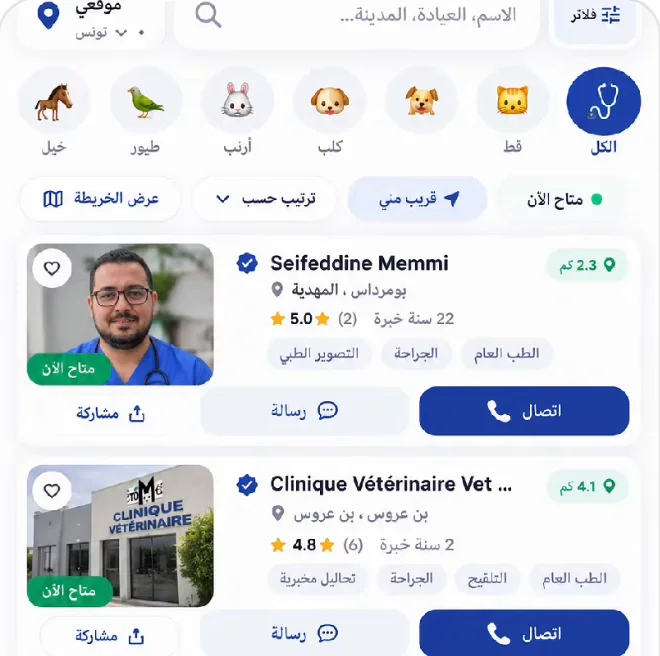
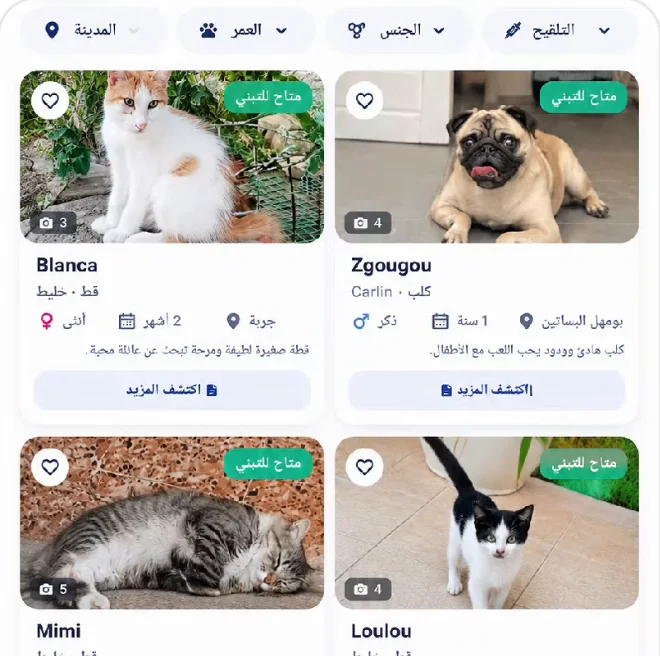
Schedule a quick health check with a professional. You can find a practitioner in the directory of veterinarians in Tunisia, and browse animals available for adoption to start your search.
In Summary
- Assess your time, your home and your budget before falling in love.
- Choose a species that suits your lifestyle and the summer heat.
- Visit the shelter, judge its reliability, and meet the animal several times.
- Ask specific questions about its history and temperament.
- Be patient, and have a veterinarian check its health.
Frequently Asked Questions
Can you adopt a shelter animal if you live in an apartment?
Yes, provided the animal is suitable: a calm cat, a rabbit or guinea pigs can be very happy in an apartment. A dog is possible with regular and sufficient walks.
Should you adopt a puppy or an adult dog?
An adult's temperament is already apparent, which makes choosing easier. A young dog needs more training and time, but often adapts well to a prepared household.
Can guinea pigs and rabbits live alone?
These are sociable animals: guinea pigs do better in pairs, and rabbits need company and attention. Ask the shelter and a veterinarian for advice.
In conclusion, adopting a shelter animal is a project that deserves careful thought: well prepared, it brings years of companionship. Do not hesitate to ask a veterinarian for advice as soon as you adopt.
Leave a comment
Be the first to comment on this article.
