
Puppy and Kitten Socialization: Don't Miss the Critical Window
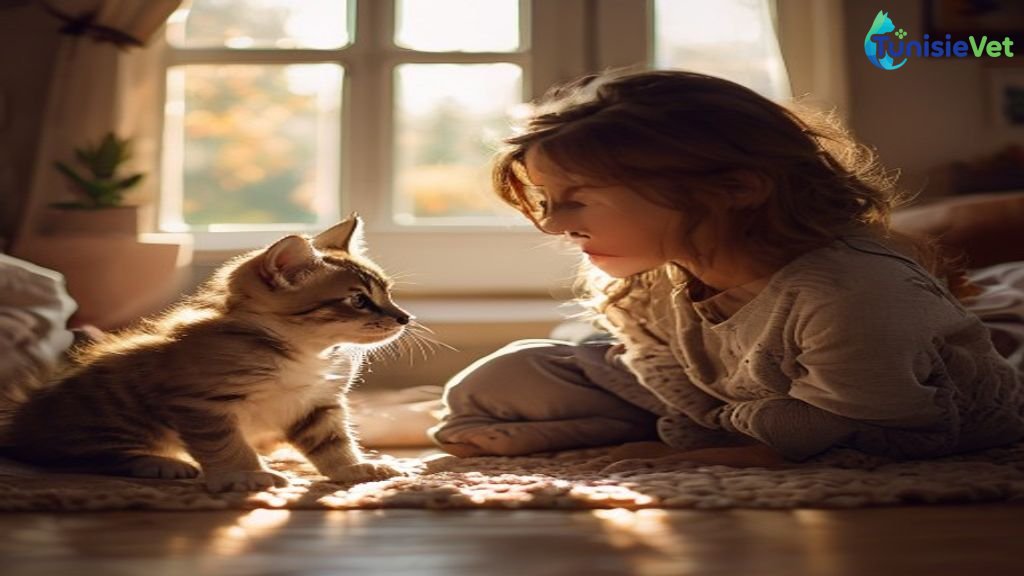
Puppy and kitten socialization can't be improvised: it largely unfolds during the first weeks of life, a short and decisive biological window. Understanding these sensitive periods in puppies and kittens helps prevent many fears, reactive behaviors, and behavioral issues in adulthood. Whether your companion has just arrived home or is still with the breeder or foster family, every week counts in shaping a calm, curious, and confident animal ready to face the world around them.
Why the first few weeks shape behavioral development
Behavioral development in dogs and cats follows a precise logic: during a limited window in early life, the brain of a puppy or kitten is especially receptive to new experiences. Anything encountered positively during this period (people, animals, sounds, textures, environments) has a strong chance of being perceived as normal and safe for the rest of the animal's life. Conversely, a lack of stimulation, or a harsh and frightening exposure, can leave a lasting mark and foster persistent fears.
Once this window has passed, learning is still possible, but it requires much more patience, repetition, and time: the door doesn't slam shut entirely, it simply closes little by little.
The key stages of gradual socialization in puppies and kittens
From weaning onward: the very first discoveries
Early habituation in puppies from weaning begins in their original environment, often even before they arrive in their forever home. At this stage, the focus is mainly on:
- Gently handling the paws, ears, mouth, and body to get them used to human touch;
- Offering a variety of surfaces, textures, and objects (rugs, grass, cardboard, toys);
- Introducing moderate household sounds (a vacuum cleaner heard from a distance, doorbell, television);
- Encouraging calm contact with several different people.
The heart of the sensitive period
It's during this phase that most of the formative experiences should take place. The goal is to expose the animal, in a positive and unforced way, to:
- People of different ages, shapes, and appearances;
- Other calm, well-socialized animals;
- Different environments (indoors, a quiet outdoor space, the car);
- Everyday objects (leash, carrier, brush, harness).
Every new encounter should stay short, voluntary, and paired with something pleasant (a treat, play, a soft voice) — never forced.
Toward the end of the sensitive period
As this window draws to a close, the animal's natural caution and vigilance increase: it becomes more selective about novelty. This is the time to reinforce what's already been learned rather than pile on abrupt new experiences, while continuing gradual, well-controlled outings.
Preventing lasting fears and phobias
Preventing fears and phobias relies on one simple principle: prioritize the quality of experiences over their quantity. A few useful guidelines:
- Never force a frightened animal to approach a stimulus: let it observe at its own pace;
- Reward calmness and curiosity, never flight or aggression through coercion;
- Avoid noisy, crowded, or chaotic environments during the very first months;
- Watch for stress signals (lip licking, flattened ears, a lowered tail, freezing) and pause the exposure if needed.
A puppy or kitten that experiences a significant fright during the sensitive period can develop a lasting phobia toward that specific trigger (a sound, a type of person, a place). It's far better to move slowly than to rush the process.
Setting up gradual, stress-free socialization
Gradual, stress-free socialization relies on a few practical principles you can apply every day:
- Introduce one new thing at a time rather than several stimuli at once;
- Favor short, frequent sessions over long exposures;
- Let the animal choose its own distance and pace of approach;
- Consistently pair novelty with a positive experience;
- Respect rest time: a tired puppy or kitten copes less well with stress.
This approach applies just as much to meeting other animals as it does to getting used to travel carriers, vet visits, or children.
The role of veterinary follow-up in balanced animal behavior
Balanced behavior in adulthood doesn't depend on socialization alone: overall health, pain, or certain disorders can also influence how an animal reacts to its environment. In cases of excessive fear, unusual aggression, or persistent difficulties despite thorough socialization, it's best to consult a professional to rule out any medical cause and get tailored advice. You can browse the directory of veterinarians for dogs or veterinarians for cats near you for personalized support.
Should you wait until vaccinations are complete to socialize your puppy or kitten?
You don't need to wait until the full vaccination protocol is complete to start socializing. The best approach is to combine safe exposures (carrying them, clean environments, known and healthy animals) with the health precautions recommended by your treating veterinarian, so as not to waste the precious weeks of the sensitive period.
Need a professional opinion? If in doubt or in an emergency, find a veterinarian near you on TunisieVet.
Leave a comment
Be the first to comment on this article.