
Toxic Foods for Dogs and Cats: The Essential Safety Guide

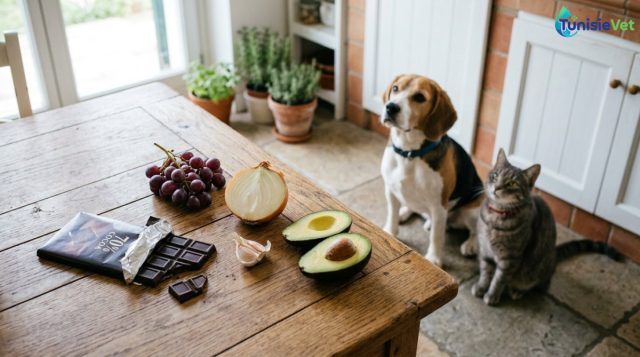
A single square of chocolate, an onion in a sauce, or a handful of grapes can trigger serious poisoning in dogs and cats. Knowing which foods are toxic to dogs and cats helps prevent countless emergency vet visits. This guide details dangerous foods, warning symptoms to watch for, and the immediate steps you should take.
1. Why Certain Foods Are Toxic to Your Pets
Dogs and cats metabolize food differently than humans do. Their livers don't always possess the enzymes needed to eliminate certain compounds found in our everyday diet. Cats, being strict carnivores, are particularly sensitive to substances that dogs might tolerate in tiny amounts. Regardless, caution must always apply: a toxic food is never "slightly" toxic based on dose—the risk exists from the first bite.
2. Foods Toxic to Dogs and Cats You Must Avoid
Chocolate
Chocolate contains theobromine, a substance that dogs and cats eliminate very slowly. The darker and more cacao-rich the chocolate, the more dangerous it is. Even small amounts ingested by a small dog or cat can trigger serious heart and neurological problems.
Onions, Garlic, Shallots, and Leeks
These allium family vegetables—whether raw, cooked, or powdered—progressively destroy an animal's red blood cells. A sauce, broth, or leftover dish containing onions poses a real danger, even in small repeated amounts.
Grapes and Raisins
Fresh or dried grapes can trigger acute kidney failure in dogs, and to a lesser extent in cats. The toxicity is unpredictable: some animals react to tiny quantities while others seem to tolerate more, a fact that should never reassure pet owners.
Avocado
Its flesh, pit, and skin all contain persin, a substance toxic to many animals. It can cause digestive upset and, in large quantities, heart damage.
Xylitol
This artificial sweetener found in certain sugar-free chewing gums, candies, and commercial baked goods causes a sudden drop in blood sugar levels in dogs, potentially leading to seizures and severe liver damage.
Alcohol and Raw Bread Dough
Alcohol, even in tiny amounts, is toxic to an animal's nervous system. Raw bread dough continues fermenting in the stomach, producing alcohol and gas that can cause painful stomach bloating.
Caffeine
Coffee, tea, energy drinks: caffeine affects the heart and nervous system of dogs and cats, with effects that worsen rapidly without intervention.
Cooked Bones and Fatty Scraps
Cooked bones splinter into sharp fragments that can puncture the intestines. Fatty dishes or rich holiday leftovers increase the risk of pancreas inflammation, particularly common after large meals.
3. Quick Reference Table of Dangerous Foods and Their Effects
| Food | Primary Effect | Risk Level |
|---|---|---|
| Dark chocolate | Heart and nerve damage | Very High |
| Onions, garlic | Red blood cell destruction | High |
| Grapes, raisins | Kidney failure | Very High |
| Avocado | Digestive upset, heart issues | Moderate to High |
| Xylitol | Low blood sugar, liver damage | Very High |
| Alcohol | Nervous system depression | High |
| Raw bread dough | Stomach bloating, alcohol | High |
| Caffeine | Accelerated heart rate | High |
| Cooked bones | Intestinal perforation | Moderate |
4. Recognizing Signs of Pet Poisoning
Symptoms of food poisoning vary depending on what was ingested, the amount consumed, and your animal's size. Some signs appear within minutes, while others may take several hours to develop.
- Repeated vomiting and diarrhea, sometimes with blood
- Unusual agitation, trembling, or conversely extreme lethargy
- Excessive drooling or abnormal panting
- Sudden loss of appetite
- Excessive urination or complete lack of urination
- Seizures, loss of balance, or disorientation
- Pale gums or discolored mucous membranes, indicating blood cell damage
- Visible abdominal pain: animal curling up or whimpering
5. Essential Steps if Poisoning Is Suspected
When you suspect your pet has ingested a toxic food, every minute counts. Here's what to do.
- Never induce vomiting without professional advice: some substances become even more dangerous coming back up the esophagus.
- Identify the food ingested precisely and try to estimate the approximate amount consumed.
- Keep the packaging or a sample of the suspected food—this helps your veterinarian.
- Contact a veterinarian immediately, even if no symptoms appear right away.
- Monitor your animal continuously while waiting for the appointment, without feeding or giving water unless instructed.
- Transport your pet calmly, in a carrier or wrapped in a blanket, to minimize stress.
When in doubt, consulting your vet "for nothing" is always better than letting silent poisoning develop. Dog owners can find a professional through the directory of veterinarians for dogs, while cat owners can consult the list of veterinarians for cats near them.
6. Prevention Is Better Than a Cure: Daily Safety Habits
- Keep chocolate, candies, and sweeteners consistently out of reach
- Never share table scraps without checking their ingredients
- Secure your kitchen trash bin, a frequent target for curious dogs
- Educate everyone in your household, including children, about forbidden foods
- Supervise children when sharing snacks with your pet
- Check labels on reduced-sugar products for xylitol content
In Summary
- Chocolate, onions, garlic, grapes, and xylitol are among the most common toxic foods for dogs and cats.
- Poisoning symptoms include vomiting, trembling, drooling, and lethargy.
- Never induce vomiting without veterinary guidance.
- Keeping the food packaging helps your vet make an accurate diagnosis.
- Prevention involves storing risky foods safely and staying alert during family meals.
Frequently Asked Questions
What are the most toxic foods for dogs?
Chocolate, grapes, onions, and garlic are among the most commonly toxic foods for dogs. Xylitol, found in certain sugar-free products, is also extremely dangerous for them.
How long after ingestion do symptoms typically appear?
This depends on the food consumed: some digestive issues appear within minutes, while kidney damage from grapes can show up several hours later. A quick veterinary consultation is still recommended regardless of timing.
Are there fruits and vegetables that are safe for pets?
Many fruits and vegetables are fine for dogs and cats in small amounts, but some—like grapes, avocado, and onions—must be completely avoided. It's best to research each food individually before sharing it with your pet.
When pet poisoning is suspected, quick action often determines the outcome. If you're unsure about something your pet ate, don't hesitate to contact a professional through the veterinarian directory available near you.
Leave a comment
Be the first to comment on this article.
